


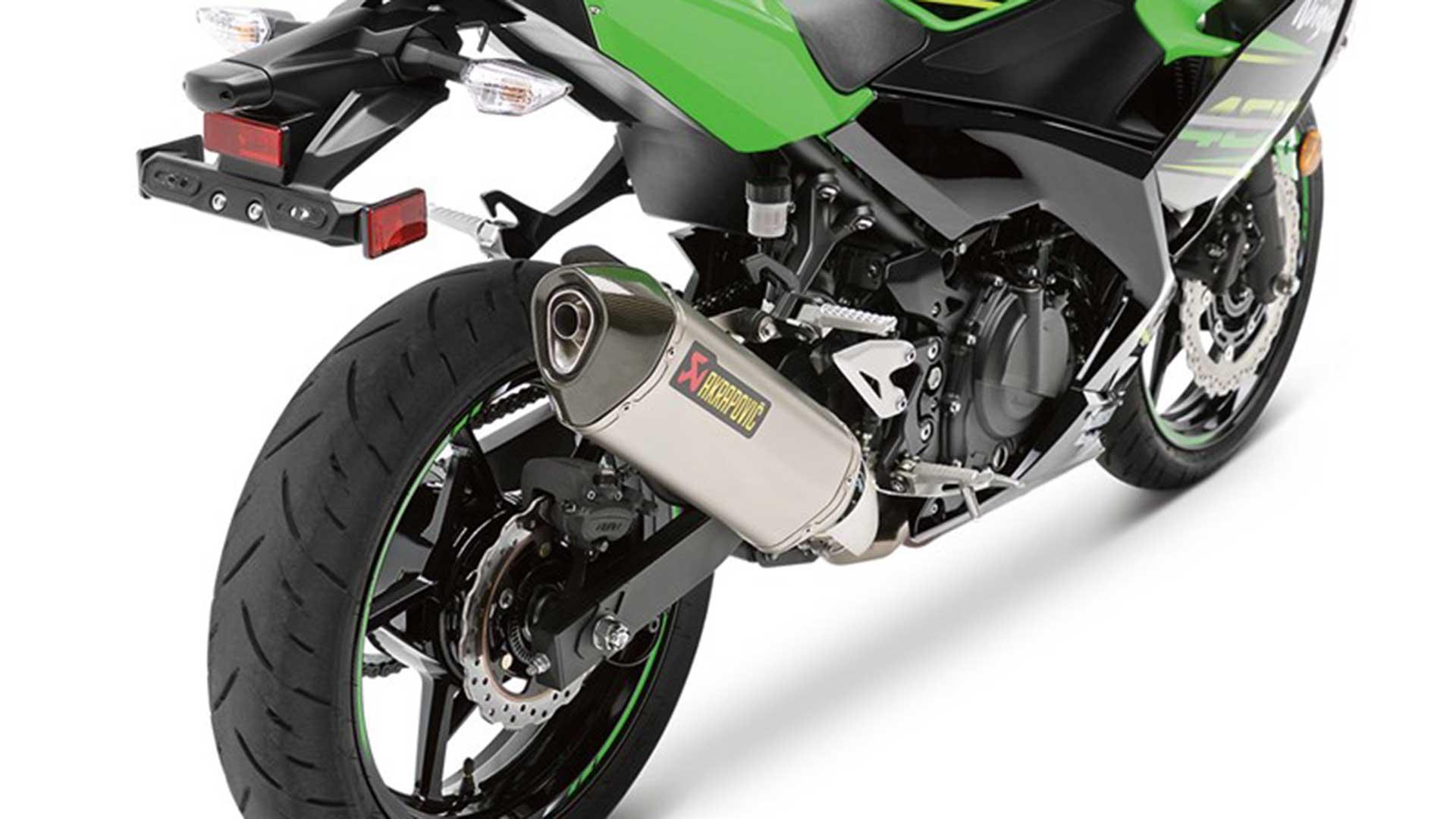
Modern fuel blends containing ethanol present unique challenges for motorcycle owners during winter storage. Without proper winterization, these fuels can cause significant damage to your motorcycle's fuel system, leading to costly repairs when riding season returns. At Carolina Cycle, we've been helping riders protect their machines since 1970, and we've developed this comprehensive guide to help you understand ethanol-related issues and how to prevent them using manufacturer-recommended OEM solutions.
1. The Ethanol Challenge in Modern Fuels
Most gasoline sold in the United States today contains up to 10% ethanol (E10), which helps reduce emissions but creates several problems for motorcycles during storage:
- Moisture Attraction: Ethanol naturally attracts and absorbs water from the atmosphere
- Phase Separation: When enough water accumulates, the ethanol/water mixture separates from the gasoline, sinking to the bottom of the tank
- Corrosion Acceleration: The ethanol/water mixture is highly corrosive to fuel system components
- Degradation: Ethanol-blended fuels break down faster than pure gasoline, forming harmful deposits
- Rubber/Plastic Deterioration: Ethanol can damage rubber and plastic components not designed for continuous exposure
When motorcycles sit unused during winter, these problems intensify as condensation forms inside fuel tanks and other components during temperature fluctuations.
2. Understanding Ethanol Damage to Motorcycle Systems
Ethanol-related damage can affect numerous motorcycle components during winter storage:
Fuel Tanks
- Internal corrosion leading to rust particles contaminating the entire fuel system
- Deterioration of tank linings and sealants
- Formation of varnish and deposits that can clog fuel outlets
Carburetors and Fuel Injectors
- Clogging of small passageways and jets from residue left by evaporating ethanol
- Corrosion of metal components
- Sticking float needles and mechanisms from gum formation
- Damaged seals and O-rings from ethanol exposure
Fuel Lines and Pumps
- Hardening and cracking of rubber fuel lines
- Deterioration of internal pump components
- Reduced elasticity in diaphragms and seals
3. OEM Winterizing Products: The Superior Choice
Motorcycle manufacturers have developed specific products to address ethanol-related storage issues. These OEM solutions are formulated specifically for your motorcycle's fuel system components, providing superior protection compared to generic alternatives.
Honda OEM Fuel Solutions
Honda's Pro Honda Fuel Stabilizer is specifically designed to:
- Prevent phase separation in Honda fuel systems
- Protect the proprietary materials in Honda fuel pumps and injectors
- Maintain proper fuel injector spray patterns after storage
- Preserve carburetor components in vintage models
Kawasaki OEM Fuel Protection
Kawasaki's K-Fuel Stabilizer offers:
- Extended protection formula for seasonal storage
- Special corrosion inhibitors for Kawasaki's fuel system metals
- Compatibility with all Kawasaki fuel system components
- Protection for both carbureted and fuel-injected engines
Suzuki OEM Fuel Stabilizers
Suzuki's Fuel System Treatment:
- Provides ethanol-specific protection for the entire fuel system
- Contains detergents that maintain injector and carburetor cleanliness
- Includes metal deactivators to prevent corrosion
- Features water-dispersing agents to combat ethanol's moisture attraction
Yamaha OEM Fuel Protection
Yamalube Fuel Stabilizer and Conditioner delivers:
- Specialized protection for Yamaha's proprietary fuel system materials
- Extended formula designed for the unique challenges of motorcycle storage
- Compatibility with Yamaha's emissions control systems
- Protection against the formation of gums, varnish, and corrosion
4. Step-by-Step Fuel System Winterization Process
Follow this comprehensive procedure to properly protect your motorcycle's fuel system for winter storage:
1. Pre-Winterization Ride
Before beginning the winterization process:
- Ride your motorcycle to fully warm the engine
- Ensure the fuel system circulates completely
- Burn off any existing moisture in the system
2. Fuel Tank Preparation
- Fill the tank completely: A full tank prevents moisture-laden air from entering
- Add OEM fuel stabilizer: Follow manufacturer-specific mixing ratios
- Consider premium fuel: Higher octane fuels typically contain fewer ethanol-related additives
- Run engine 10-15 minutes: Ensures stabilizer circulates throughout the entire fuel system
3. Carburetor-Specific Procedures
For carbureted motorcycles:
- Turn fuel valve to "OFF" position
- Drain float bowls: Prevents stale fuel from causing varnish and gum deposits
- Apply OEM carburetor cleaner: Protects jets and passages
- Consider OEM fogging oil: Provides additional corrosion protection
4. Fuel Injection System Protection
For fuel-injected motorcycles:
- Add OEM injector cleaner: Prevents deposit formation during storage
- Consider OEM fuel system cleaner: Removes existing deposits before storage
- Follow manufacturer-specific shutdown procedures: Some bikes require special sequences
5. Fuel Line and Filter Care
- Inspect all fuel lines for cracks or damage: Replace with OEM lines if needed
- Consider replacing fuel filters: Ensures clean fuel flow when restarting
- Check fuel pump operation: Ensure proper function before storage
5. Advanced Protection Strategies
For maximum protection against ethanol damage, consider these additional steps:
Fuel Draining Alternative
While most manufacturers recommend keeping the tank full with stabilized fuel, some riders prefer to:
- Drain the fuel tank completely
- Remove and clean the petcock (if applicable)
- Add a small amount of OEM fogging oil to the tank to prevent rust
- Seal the tank to prevent moisture entry
Fuel System Replacement Program
For vintage motorcycles or those with sensitive fuel systems:
- Replace all rubber fuel lines with OEM ethanol-resistant lines
- Update to ethanol-compatible OEM fuel filters
- Consider upgrading to OEM ethanol-resistant gaskets and O-rings
Professional Fuel System Services
Carolina Cycle offers professional winterization services including:
- Fuel system cleaning and treatment
- Carburetor removal and storage
- Fuel injector testing and cleaning
- Complete fuel system inspection
6. OEM vs. Aftermarket Fuel Stabilizers: The Critical Differences
While aftermarket fuel stabilizers might cost less initially, OEM products offer significant advantages:
|
Feature |
OEM Stabilizers |
Generic Aftermarket |
|
Formulation |
Designed for specific motorcycle fuel systems |
General automotive formulation |
|
Materials Compatibility |
Tested with your bike's components |
Limited testing with motorcycle components |
|
Water Handling |
Designed for motorcycle tank configurations |
General approach to water management |
|
Protection Duration |
Typically 12-24 months of protection |
Often 6-12 months of protection |
|
Warranty Compliance |
Maintains manufacturer warranty coverage |
May void certain warranty protections |
7. The Cost of Inadequate Protection
Skipping proper fuel system winterization or using inferior products can lead to expensive repairs:
- Carburetor rebuild/replacement: $200-$800
- Fuel injector cleaning/replacement: $300-$1,200
- Fuel pump replacement: $400-$900
- Fuel tank cleaning/repair: $200-$600
- Fuel line replacement: $100-$300
Investing in proper OEM winterization products typically costs $20-$50—a small price compared to potential repair costs.
FAQ About Motorcycle Fuel System Winterization
How long does ethanol-blended fuel last in a motorcycle before causing damage?
Untreated ethanol-blended fuel can begin causing problems in as little as 30 days. For winter storage, always use OEM fuel stabilizer even for short storage periods.
Is draining the fuel system better than using stabilizer?
Most manufacturers recommend keeping the tank full with properly stabilized fuel rather than draining it completely. A full tank prevents condensation while the stabilizer prevents fuel degradation.
Can I use automotive fuel stabilizer for my motorcycle?
While automotive stabilizers provide some protection, they're not formulated for motorcycle-specific components. OEM motorcycle stabilizers are designed for the unique materials and configurations in your specific make and model.
How can I tell if ethanol has already damaged my fuel system?
Signs of ethanol damage include poor starting, rough idle, decreased performance, visible corrosion in the tank, and fuel leaks from deteriorated lines or gaskets.
Are there ethanol-free fuel options available?
Some stations offer ethanol-free premium fuel, which is ideal for motorcycles. Websites like pure-gas.org can help locate ethanol-free fuel sources in your area.
Protect Your Investment with Carolina Cycle
At Carolina Cycle, we stock a complete inventory of OEM fuel system winterization products for Honda, Kawasaki, Suzuki, and Yamaha motorcycles. Our team can help you select the right components for your specific model and provide guidance on proper winterization procedures.
Visit our motorcycle parts collection to find the right OEM fuel system protection products for your bike. For personalized assistance with fuel system winterization, contact our support team for expert guidance.
Remember, protecting your fuel system during winter storage isn't just about preventing repairs—it's about ensuring your motorcycle is ready to ride when the season returns.
