


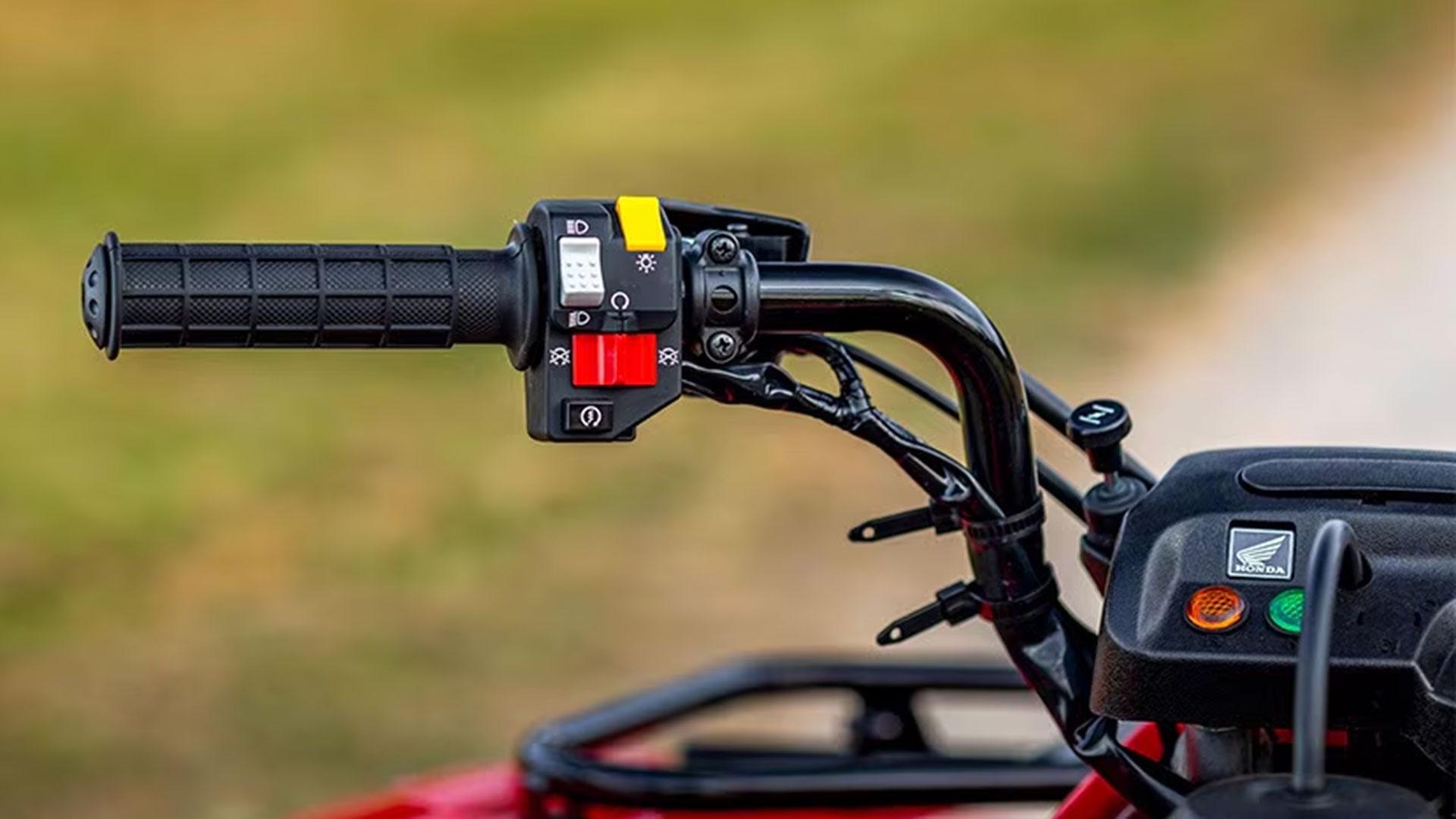
Since 1970, Carolina Cycle has been the trusted source for genuine Honda motorcycle electrical components. Our comprehensive inventory of OEM electrical parts ensures your Honda's electrical system performs with factory reliability, whether you're maintaining a classic CB750 or upgrading a modern CBR1000RR.
Why Choose OEM Honda Electrical Components
When it comes to your motorcycle's electrical system, original equipment manufacturer (OEM) parts provide significant advantages over aftermarket alternatives. Honda engineers design these components specifically for your model's electrical load, charging capacity, and environmental conditions.
Superior Material Quality and Design
Honda OEM electrical parts feature:
- High-grade copper wiring with optimal conductivity
- Marine-grade connectors resistant to corrosion
- Precise terminal fitment eliminating connection issues
- Temperature-resistant insulation preventing degradation
- Factory-specified current ratings matching system requirements
Perfect Fitment Without Modifications
Every OEM Honda electrical component is designed to exact factory specifications, ensuring:
- Direct plug-and-play installation without splicing or adapters
- Factory connector compatibility across all system components
- Proper routing paths through existing harness channels
- Correct wire length eliminating excess material
- Integrated mounting points matching factory locations
Long-Term Reliability and Value
While aftermarket parts may seem cost-effective initially, OEM Honda components offer superior long-term value:
- Extended service life matching factory durability standards
- Consistent performance across temperature and humidity ranges
- Precise voltage regulation protecting sensitive electronics
- Warranty compatibility preserving your motorcycle's coverage
- Higher resale value for motorcycles maintained with OEM parts
Complete Honda Motorcycle Electrical System Overview
Understanding your Honda motorcycle's electrical system helps identify the correct components for maintenance or troubleshooting. Here's a comprehensive breakdown of the major electrical subsystems and their components:
Charging System Components
The charging system generates and regulates power while the engine runs:
- Stator Assembly
- Generates AC electrical current
- Located inside the engine case
- Model-specific output ratings
- Regulator/Rectifier
- Converts AC to DC current
- Regulates voltage to protect components
- Often mounted for cooling airflow
- Main Charging Harness
- Connects stator to regulator/rectifier
- High-amperage capacity wiring
- Heat-resistant insulation
Starting System Components
These components work together to start your engine:
- Starter Motor
- Engages with the engine to initiate starting
- Model-specific mounting and gear ratios
- Sealed design for environmental protection
- Starter Solenoid/Relay
- Controls high-amperage current to starter
- Activated by ignition switch
- Mounted near battery for short cable runs
- Starter Button Assembly
- Handlebar-mounted control switch
- Integrated safety interlocks
- Weatherproof sealing
Ignition System Components
The ignition system creates and distributes the spark for combustion:
- CDI Unit or ECU
- Controls ignition timing
- Processes sensor inputs
- Model-specific programming
- Ignition Coils
- Generate high-voltage for spark plugs
- Precision wound for specific voltage output
- Heat-resistant design
- Pickup Coils/Crankshaft Position Sensors
- Detect engine position
- Provide timing signals to ECU
- Precision calibrated sensitivity
- Ignition Switch
- Controls power distribution
- Security integration
- Weather-sealed design
Lighting System Components
Proper lighting is critical for safety and visibility:
- Headlight Assembly
- Model-specific design and mounting
- Pre-calibrated aim points
- Integrated reflector design
- Taillight and Brake Light
- DOT-compliant brightness
- Integrated with brake system
- Model-specific mounting
- Turn Signal Modules
- Self-canceling on many models
- Flasher relay integrated
- Weather-resistant housings
- Instrument Illumination
- Dashboard backlighting
- Indicator lamps
- Warning system integration
Instrument and Control Components
These components provide critical information and control:
- Instrument Cluster
- Speedometer/Tachometer
- Indicator lights
- LCD displays on newer models
- Control Switches
- Handlebar-mounted controls
- Integrated functionality
- Water-resistant design
- Neutral and Oil Pressure Sensors
- Provides status information
- Integrated warning systems
- Precision calibrated triggering
Wiring Harnesses and Connectors
The backbone of your electrical system:
- Main Harness
- Integrates all electrical systems
- Model-specific routing and protection
- Color-coded for service identification
- Sub-Harnesses
- Dedicated to specific systems
- Designed for serviceability
- Protected routing through frame
- Fuse Box and Relay Panel
- Centralized protection system
- Labeled for easy identification
- Accessible mounting location
- Ground Circuits
- Critical for proper system function
- Corrosion-resistant connections
- Multiple redundant paths
Finding the Right OEM Honda Electrical Parts
Identifying the correct electrical components for your specific Honda motorcycle model is essential for proper function and fitment. Our comprehensive inventory is organized by model and year, making it easy to find exactly what you need.
Search By Model
Browse our complete catalog of Honda motorcycle electrical parts organized by:
- Sport models (CBR, CB, VFR series)
- Cruiser models (Shadow, Fury, Rebel series)
- Touring models (Gold Wing, CTX series)
- Adventure models (Africa Twin, NC series)
- Dual-sport models (CRF-L, XR series)
- Scooter models (PCX, Metropolitan series)
Common Electrical Replacement Parts
These frequently-replaced components maintain your Honda's electrical reliability:
- Regulator/Rectifiers
- Critical for charging system function
- Model-specific voltage and current ratings
- Integrated cooling designs
- Stator Assemblies
- Heart of the charging system
- Precision wound coils
- Model-specific output capacity
- Ignition Switches
- Security and convenience integration
- Multiple circuit control
- Anti-theft features on newer models
- Battery Cables
- High-current capacity
- Corrosion-resistant terminals
- Proper length and routing
- Handlebar Switch Assemblies
- Integrated functionality
- Water-resistant design
- Model-specific button layouts
- Fuse Boxes and Relays
- Centralized protection
- Labeled for identification
- Weatherproof housings
Model-Specific Electrical System Features
Different Honda motorcycle models feature unique electrical system characteristics that require specific OEM components.
Sport Model Electrical Features (CBR/CB Series)
Honda sport motorcycles incorporate advanced electrical systems designed for performance and reliability:
- High-output charging systems supporting additional accessories
- Sophisticated engine management with multiple sensor inputs
- LED lighting systems on newer models
- Integrated quick shifters and riding modes
- CAN-bus digital networks on models after 2008
Cruiser Model Electrical Features (Shadow/Rebel Series)
Honda cruiser electrical systems focus on simplicity and customization potential:
- Simplified wiring harnesses for easy customization
- Higher output lighting circuits for additional illumination
- Accessory integration points for touring equipment
- Extended battery capacity for sound systems
- Classic styling with modern reliability
Touring Model Electrical Features (Gold Wing Series)
Honda's touring motorcycles feature the most complex electrical systems:
- Multiple integrated control modules communicating via digital networks
- Entertainment system integration with bluetooth capabilities
- Rider comfort systems including heated grips and seats
- Advanced navigation systems with real-time data
- Adaptive lighting technology on newer models
Adventure Model Electrical Features (Africa Twin/NC Series)
Adventure motorcycles balance complexity with field serviceability:
- Ruggedized wiring harnesses with additional protection
- Water-resistant connectors throughout the system
- Auxiliary power circuits for navigation and communication equipment
- Simplified diagnostics for field troubleshooting
- Modular design allowing partial system operation during failures
Common Electrical System Troubleshooting
Understanding typical electrical issues can help identify the correct OEM replacement parts needed. Here are common symptoms and their likely causes:
1. Charging System Issues
Symptom: Battery continuously discharges
- Potential Parts Needed: Stator assembly, regulator/rectifier, main harness, battery
Symptom: Charging voltage too high
- Potential Parts Needed: Regulator/rectifier, ground connections, battery
Symptom: Charging voltage fluctuates
- Potential Parts Needed: Stator assembly, regulator/rectifier connections, charging harness
2. Starting System Issues
Symptom: Starter motor doesn't engage
- Potential Parts Needed: Starter relay/solenoid, starter switch, safety interlock switches
Symptom: Starter motor turns slowly
- Potential Parts Needed: Starter motor, battery cables, battery, ground connections
Symptom: Clicking sound but no cranking
- Potential Parts Needed: Starter relay/solenoid, battery, battery connections
3. Lighting System Issues
Symptom: Headlight dim or flickering
- Potential Parts Needed: Stator assembly, regulator/rectifier, headlight wiring harness
Symptom: Brake light stays on
- Potential Parts Needed: Brake light switches, brake light relay, handlebar controls
Symptom: Turn signals don't flash
- Potential Parts Needed: Flasher relay, turn signal switch, handlebar controls
4. Instrument Panel Issues
Symptom: Gauges inoperative
- Potential Parts Needed: Instrument cluster, instrument harness, ignition switch
Symptom: Warning lights remain on
- Potential Parts Needed: Sensor units (oil pressure, neutral, etc.), instrument cluster
Symptom: Erratic gauge readings
- Potential Parts Needed: Sending units, gauge assembly, wiring harness
Professional Installation Services
While many Honda motorcycle owners prefer DIY electrical work, our professional installation services ensure perfect results for complex electrical repairs:
- Factory-trained technicians with Honda certification
- Specialized diagnostic equipment for accurate troubleshooting
- Clean, climate-controlled workshop environment
- Comprehensive system testing after installation
- Warranty on all labor and installed OEM parts
Electrical System Upgrade Options
Enhance your Honda motorcycle's electrical capability with these OEM upgrade options:
Performance Charging System Upgrades
- High-output stator assemblies for additional accessory power
- Performance regulator/rectifiers with improved cooling
- Heavy-duty wiring harnesses supporting higher current
- Upgraded battery options with increased capacity
Lighting System Enhancements
- LED conversion kits (where applicable)
- Auxiliary lighting harnesses with factory integration
- Upgraded headlight assemblies with improved output
- Visibility enhancement packages for safety
Accessory Integration Systems
- Factory accessory harnesses for clean installation
- Auxiliary power connections for navigation and communication
- USB charging ports with OEM integration
- Heated grip wiring kits with factory controllers
Why Choose Carolina Cycle for OEM Honda Electrical Parts
When your Honda motorcycle's electrical system needs attention, Carolina Cycle offers advantages that other suppliers can't match:
- Comprehensive inventory of genuine Honda electrical components
- 50+ years of Honda expertise since our founding in 1970
- Factory-trained staff with model-specific knowledge
- Competitive pricing on all OEM parts
- Fast shipping throughout the United States
- Expert technical support before and after purchase
FAQ: Honda Motorcycle Electrical Parts
How do I know if I need a new regulator/rectifier?
Signs of regulator/rectifier failure include: battery overcharging (voltage above 15V), undercharging (voltage below 13.5V while running), intermittent charging, or visible damage to the unit. A multimeter test can confirm proper function by checking output voltage at different RPM levels. Honda OEM regulators typically provide years of reliable service when properly maintained.
Are OEM wiring harnesses worth the additional cost over universal options?
Absolutely. OEM Honda wiring harnesses provide perfect fitment, correct wire gauges for each circuit, proper connector positioning, and integrated protection features. Universal harnesses typically require extensive modification, lack proper connector types, and often use inferior materials. The time saved during installation and the reliability gained make OEM harnesses the superior choice.
Can I upgrade my older Honda motorcycle to modern LED lighting?
Honda offers OEM LED conversion options for many models. These systems integrate properly with your motorcycle's electrical capacity and include appropriate load resistors or controllers when needed. Avoid generic aftermarket LED replacements, as they can cause flickering, warning lights, or electrical system damage due to improper current draw characteristics.
What tools do I need for electrical system work on my Honda motorcycle?
Essential tools include a quality multimeter, Honda-compatible connector pin tools, proper wire strippers/crimpers, heat shrink tubing, dielectric grease, and model-specific electrical diagrams (available in Honda service manuals). For complex diagnostics, consider a professional service that has access to Honda's proprietary diagnostic systems for modern models.
How often should electrical components be inspected on my Honda motorcycle?
Perform visual inspections of accessible wiring and connections during regular maintenance intervals (typically every 4,000 miles). Check battery terminals for corrosion, inspect visible wiring for damage, and verify all lighting functions correctly. A more thorough electrical system inspection is recommended annually or before extended trips, including testing charging voltage and starter current draw.
Contact Carolina Cycle for OEM Honda Electrical Parts
Our team of Honda motorcycle specialists is ready to help you find the exact electrical components for your specific model. With over five decades of experience and the region's largest inventory of genuine Honda parts, we're your trusted source for maintaining your motorcycle's electrical system.
For personalized assistance with selection or technical questions, contact our parts department or browse our complete Honda motorcycle parts catalog.
Looking to explore other OEM parts categories? Check out our comprehensive guide to Honda ATV parts or learn more about dirt bike maintenance on our technical blog.
