


Carolina Cycle Discount OEM Parts Blog

There's no better way to take in autumn than from the saddle. Fall color tours draw riders to winding roads and scenic overlooks every year, and the cool air and turning leaves make for some of the most memorable riding of the season. But autumn touring asks for a bit of preparation, since the same season that paints the hills also brings cooler temperatures, changing road conditions, and shorter days.
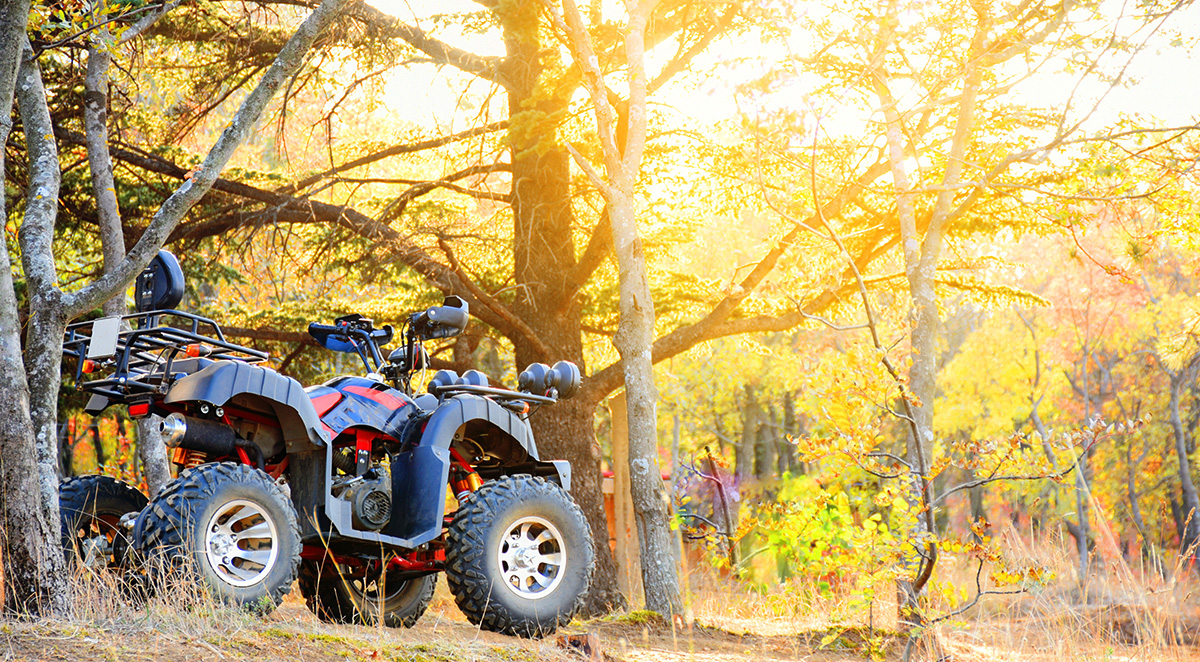
Fall might be the best ATV riding of the year. The heat breaks, the trails firm up, the scenery turns, and the long days of hard summer use are behind you. But the change of season brings its own conditions, and your machine has a summer of wear to account for. A thorough fall inspection sets your ATV up for great autumn riding and catches the trouble that summer left behind.
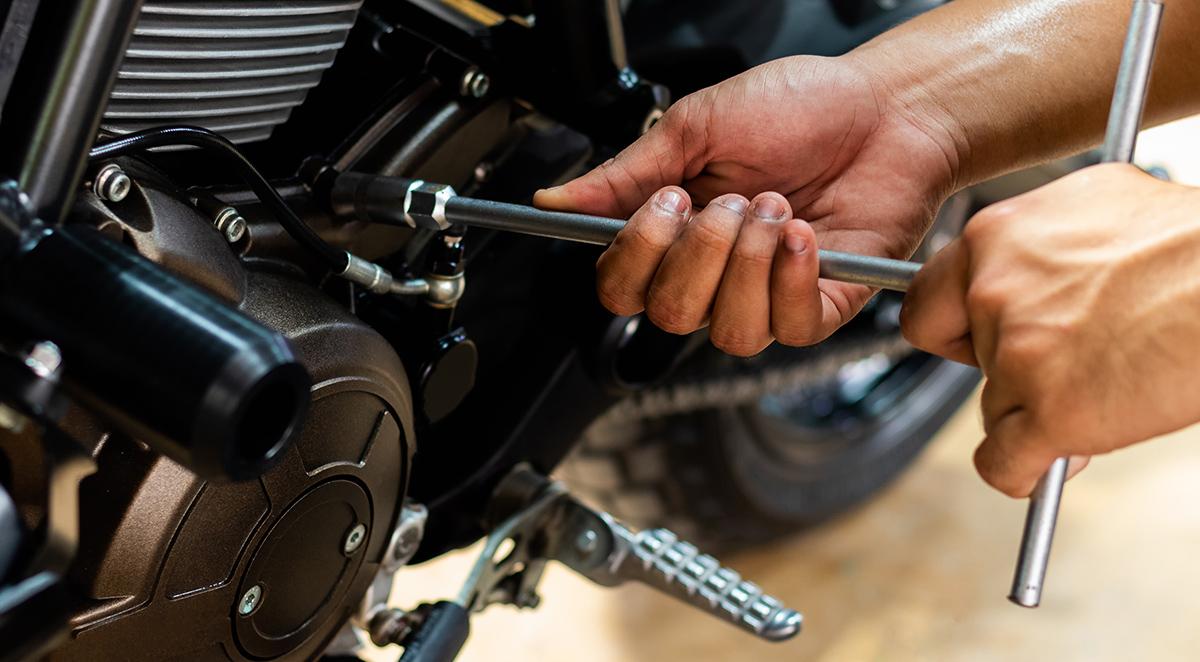
As summer winds down, your motorcycle has a season of hard riding behind it, and the cooler months ahead bring their own demands. Late summer is the ideal moment to take stock, address the wear that months of heat and miles have caused, and set your bike up for the transition into fall. A little attention now means you head into autumn with a machine you can trust, and you beat the rush of everyone else scrambling for service when the leaves start to turn.
Since 1970, Carolina Cycle has helped riders keep their machines in top shape through every season. This guide walks through why late summer is the right time to service, what a thorough seasonal checklist covers, and how to prepare for the changing conditions fall brings. Think of it as the natural bookend to your summer riding, and a head start on the season to come.

There's nothing quite like a long summer ride, with open highway ahead and hundreds of miles of country to cover. But extended touring asks more of your motorcycle than a weekend loop ever does, and the components that keep you safe are working hard the entire way. Sustained highway speed, summer heat, and long hours in the saddle all add up, and the machine that carries you home safely is the one that was prepared before the trip started.
Since 1970, Carolina Cycle has helped riders get ready for the road, and we know which components matter most when the miles stack up. This guide walks through the safety-critical parts that deserve your attention before a long summer ride, how to run a proper pre-trip inspection, and why genuine components are worth insisting on where safety is concerned. A little preparation is what turns a big trip into a great memory instead of a roadside story.