


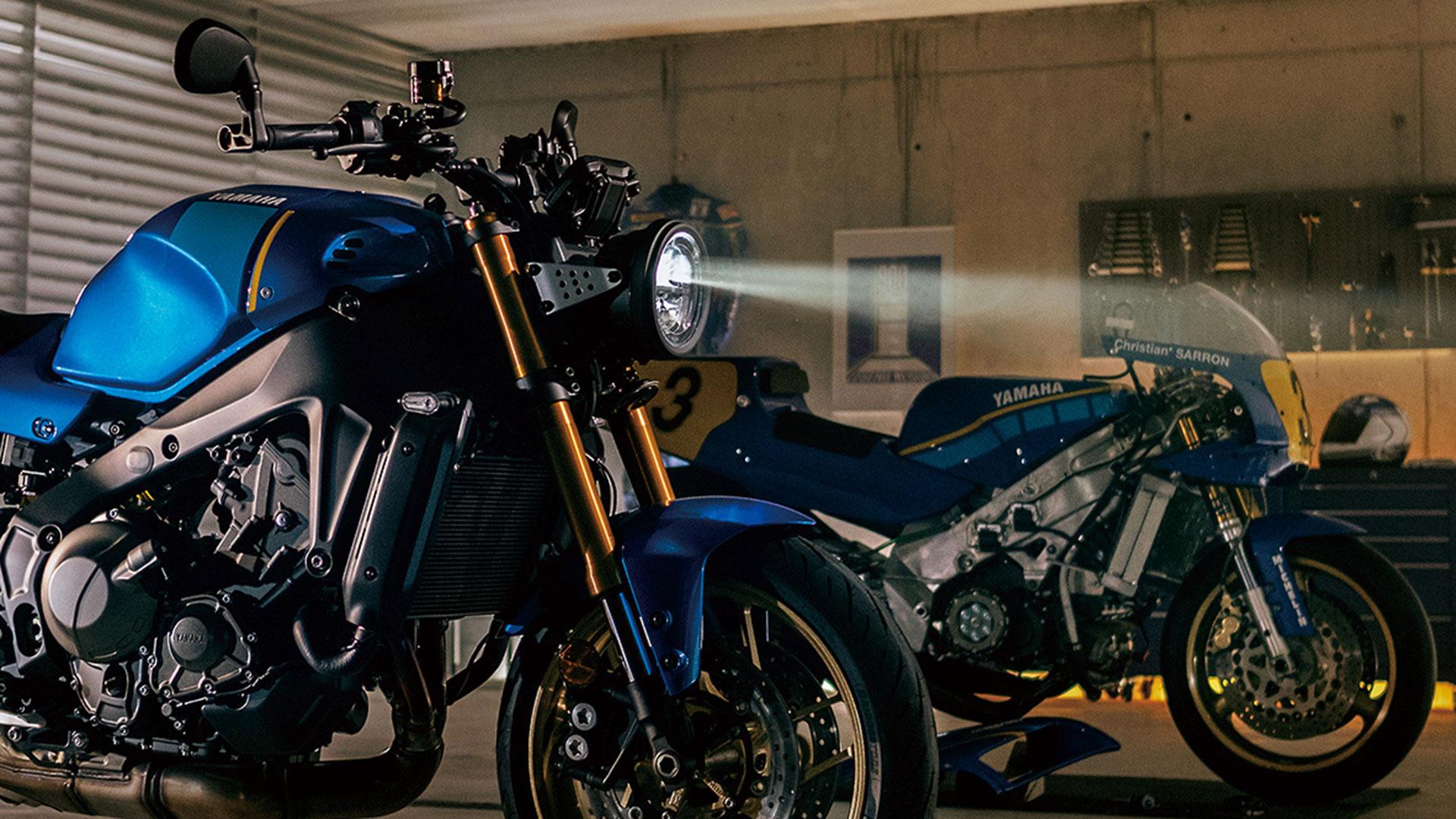
Since 1970, Carolina Cycle has been the trusted source for genuine electrical components that keep your motorcycle starting reliably in all conditions. As temperatures drop, your charging system faces increased demands that test component quality and system integration. Our comprehensive inventory of OEM batteries, stators, regulators, and complete charging systems ensures your motorcycle delivers dependable performance through challenging winter weather and beyond.
Why OEM Battery and Charging Components Matter
While aftermarket alternatives may seem cost-effective initially, original equipment manufacturer electrical components offer significant advantages in reliability, performance, and long-term value.
Superior Engineering and Materials
Manufacturer-designed electrical components feature:
- Precision voltage regulation matching your specific motorcycle's electrical requirements
- Temperature-compensating designs for reliable cold-weather performance
- Optimal current output balanced for your model's electrical demands
- Higher quality copper windings in stators and alternators
- Corrosion-resistant connections designed for environmental exposure
Perfect System Integration
OEM components work together as a complete system:
- Matched electrical output to battery charging requirements
- Compatible connector designs eliminating installation issues
- Proper voltage curves for extended battery life
- Integrated protection circuits preventing system damage
- Balanced load capacity across all electrical components
Reliability When It Matters Most
Cold weather starting demands peak performance from electrical systems:
- Consistent cold cranking amps meeting manufacturer specifications
- Stable voltage output regardless of temperature
- Proper reserve capacity for accessories and extended cranking
- Cold-weather starting reliability through proper system integration
- Long-term durability from quality materials and construction
Comprehensive Motorcycle Battery Options
We stock a complete range of OEM batteries for all major motorcycle brands:
Honda OEM Motorcycle Batteries
Genuine Honda batteries provide reliability across all models:
- 31500-MCJ-643 - CBR/CB Series Lithium-Compatible Battery
- 31500-MGZ-J03 - Gold Wing/Touring Heavy-Duty Battery
- 31500-KPP-A01 - CRF/XR Sealed Maintenance-Free Battery
- 31500-HP5-601 - Shadow/Cruiser Deep-Cycle Battery
Technical Specifications:
- Factory-specified cold cranking amps (CCA)
- Precise case dimensions for perfect fitment
- Integrated ventilation systems when required
- Terminal position and size matching factory specifications
- Honda-engineered plate design for vibration resistance
Kawasaki OEM Motorcycle Batteries
Genuine Kawasaki batteries ensure reliable starting power:
- 26012-0145 - Ninja Series Performance Battery
- 26012-0136 - Vulcan/Cruiser Long-Life Battery
- 26012-1584 - KLR/Dual-Sport Heavy-Duty Battery
- 26012-1789 - Z-Series High-Performance Battery
Technical Specifications:
- Kawasaki-specific terminal layout
- Optimized internal resistance for faster charging
- Enhanced cold-temperature performance
- Vibration-resistant internal construction
- Precision manufacturing for perfect case fitment
Suzuki OEM Motorcycle Batteries
Genuine Suzuki batteries provide consistent performance:
- 33650-41B20 - GSX-R High-Performance Battery
- 33650-31G10 - V-Strom Adventure Battery
- 33650-24B10 - Boulevard Cruiser Heavy-Duty Battery
- 33650-14D10 - DR/Dual-Sport Sealed Battery
Technical Specifications:
- Suzuki-engineered cell design for longer life
- Perfect case dimensions for factory battery boxes
- Optimized terminal placement for clean connections
- Reinforced internal structure for vibration resistance
- Proper vent tube routing when applicable
Yamaha OEM Motorcycle Batteries
Genuine Yamaha batteries deliver reliable starting power:
- 4C8-82100-10 - YZF-R Series Performance Battery
- 2D1-82100-01 - Star/Cruiser Deep-Cycle Battery
- 3D7-82100-01 - Adventure/Touring Heavy-Duty Battery
- 5LP-82100-01 - Off-Road/Dual-Sport Sealed Battery
Technical Specifications:
- Factory-specified plate design and material
- Yamaha-engineered electrolyte formulation
- Correct terminal orientation and size
- Precise case dimensions for secure mounting
- Enhanced cold-weather performance characteristics
Premium OEM Battery Technology Options
Advanced battery technologies provide enhanced performance:
Lithium-Iron Phosphate (LiFePO4) OEM Batteries
- Honda 31500-MJE-505 - Lightweight Lithium Performance Battery
- Kawasaki 26012-0773 - Racing Lithium Technology Battery
- Suzuki 33650-18L20 - Premium Lithium Power Cell
- Yamaha 2CR-82100-50 - Competition Lithium Battery
Performance Advantages:
- Up to 80% weight reduction versus lead-acid
- Faster charging acceptance rate
- Extended cycle life (2000+ cycles)
- Improved cold-weather cranking performance
- Substantially better vibration resistance
AGM (Absorbed Glass Mat) OEM Batteries
- Honda 31500-MCA-A81 - Premium AGM Technology Battery
- Kawasaki 26012-0019 - Sealed AGM Performance Battery
- Suzuki 33650-41B30 - Heavy-Duty AGM Battery
- Yamaha 5VX-82100-00 - Touring AGM Power Cell
Performance Advantages:
- Completely maintenance-free design
- Superior vibration resistance
- Faster recharge capability
- Enhanced cold-weather performance
- Longer shelf life when not in use
Complete Charging System Components
Reliable starting depends on properly functioning charging components:
Stator Assemblies
The power generation heart of your charging system:
- Honda 31120-MCA-000 - CBR/CB Series High-Output Stator
- Kawasaki 21003-0091 - Ninja Series Performance Stator
- Suzuki 32101-41G00 - GSX-R Racing Specification Stator
- Yamaha 4C8-81410-00 - YZF-R Premium Charging Stator
Technical Specifications:
- Precision-wound copper for maximum output
- Factory-specified output curves
- Optimized magnetic properties
- Model-specific mounting dimensions
- Heat-resistant insulation materials
Regulator/Rectifier Units
Controlling charging voltage for system protection:
- Honda 31600-MCA-003 - MOSFET Technology Regulator
- Kawasaki 21066-0027 - Digital Voltage Regulator
- Suzuki 32800-33E00 - Advanced Regulation System
- Yamaha 4B1-81960-00 - Precision Voltage Controller
Technical Specifications:
- Temperature-compensating regulation
- Integrated circuit protection
- Heat-sink design for thermal management
- Waterproof connector systems
- Multi-phase compatibility where applicable
Rotor/Flywheel Assemblies
Critical components for magnetic field generation:
- Honda 31110-MCA-010 - Precision-Balanced Rotor Assembly
- Kawasaki 21007-0003 - High-Output Magnetic Rotor
- Suzuki 32102-33E00 - Performance Charging Rotor
- Yamaha 5VX-81450-00 - Enhanced Field Rotor Assembly
Technical Specifications:
- Precision-balanced for vibration reduction
- Optimal magnetic properties for maximum output
- Factory-matched to stator specifications
- Reinforced construction for high-RPM operation
- Model-specific mounting dimensions
Wiring Harnesses and Connectors
Ensuring reliable power transmission throughout the system:
- Honda 32100-MCA-000 - Complete Charging System Harness
- Kawasaki 26031-0091 - Main Electrical Harness Assembly
- Suzuki 36610-41G00 - Charging System Wire Assembly
- Yamaha 4C8-82590-00 - Electrical System Wiring Harness
Technical Specifications:
- Correct gauge wiring for current capacity
- Factory-specified connector types
- Proper terminal crimping technology
- Integrated protection features
- Weather-sealed connection points
Cold Weather Starting Solutions
Winter riding presents unique challenges for motorcycle electrical systems:
Battery Heating Systems
Maintain optimal battery temperature in extreme cold:
- Honda 31500-MCA-H81 - Battery Thermal Wrap System
- Kawasaki 26012-T001 - Battery Heating Element Kit
- Suzuki 33650-TH001 - Cold Weather Battery Warmer
- Yamaha 2D1-H2100-V0 - Battery Thermal Management System
Performance Features:
- Thermostatically controlled operation
- Integrated with factory wiring
- Optimized power consumption
- Critical temperature maintenance
- Simple installation with OEM connections
Cold Weather Charging Enhancements
Improve charging efficiency in winter conditions:
- Honda 31600-MCW-003 - Winter Performance Regulator
- Kawasaki 21066-W001 - Cold Climate Voltage Regulator
- Suzuki 32800-CW001 - Thermal Optimized Regulator
- Yamaha 4C8-CW960-00 - Winter Charging System Controller
Performance Features:
- Enhanced charging rates at lower temperatures
- Modified voltage curves for cold conditions
- Increased idle charging output
- Temperature-sensing regulation
- Extended battery life in winter operation
Starting System Enhancements
Ensure reliable cold-weather cranking:
- Honda 31200-MCW-J01 - Cold Climate Starter Motor
- Kawasaki 21163-CW01 - Winter Performance Starter
- Suzuki 31100-CW001 - Cold Start Enhancement Starter
- Yamaha 5VX-CW818-00 - Winter Starting System
Performance Features:
- Higher torque output for cold engines
- Enhanced brush material for cold operation
- Optimized gear reduction for maximum cranking power
- Improved commutator design for cold starting
- Special lubricants for low-temperature operation
Battery Maintenance and Charging Equipment
Proper maintenance extends battery life and ensures reliable starting:
OEM Battery Chargers and Maintainers
Manufacturer-approved charging solutions:
- Honda 31670-OEM-001 - Honda OptiMate Battery Management System
- Kawasaki 27010-OEM-01 - Kawasaki Intelligent Battery Optimizer
- Suzuki 99997-OEM-001 - Suzuki Battery Tender System
- Yamaha DBY-ACC56-00-00 - Yamaha YEC-50 Battery Charger
Performance Features:
- Model-specific charging algorithms
- Multi-stage charging process
- Battery sulfation recovery mode
- Winter maintenance settings
- Battery health diagnostic capabilities
Battery Testing Equipment
Verify battery condition before critical rides:
- Honda 31500-TST-001 - Digital Battery Analyzer
- Kawasaki 26012-TST-01 - Battery Load Tester
- Suzuki 33650-TST-001 - Battery Condition Monitor
- Yamaha ACC-BTMTR-00-00 - Battery Performance Tester
Performance Features:
- Accurate cold cranking amp measurement
- Reserve capacity testing
- Internal resistance analysis
- Charging system verification
- Printed test results on premium models
Battery Installation Accessories
Ensure proper fitment and function:
- Honda 31500-ACC-001 - Battery Mounting Kit
- Kawasaki 26012-ACC-01 - Terminal Protection Kit
- Suzuki 33650-ACC-001 - Battery Box Enhancement Kit
- Yamaha DBY-ACC50-00-00 - Battery Installation Package
Kit Contents:
- Terminal cleaners and protectants
- Proper torque specifications
- Vibration isolation components
- Vent tube routing guides
- Terminal bolts and hardware
Professional Services
Our factory-trained technicians provide expert electrical system services:
Comprehensive Electrical System Testing
Diagnose issues before they leave you stranded:
- Complete Charging System Verification
- Stator output testing (voltage and amperage)
- Regulator/rectifier function analysis
- Battery condition assessment
- Voltage drop testing throughout system
- Load testing under various conditions
- Battery Performance Evaluation
- Cold cranking capacity verification
- Reserve capacity measurement
- Internal resistance testing
- Charging acceptance rate
- Self-discharge rate analysis
- Starting System Diagnosis
- Starter current draw testing
- Solenoid function verification
- Cable condition assessment
- Ground circuit evaluation
- Control circuit analysis
Professional Installation Services
Expert installation ensures optimal performance:
- Battery Replacement Service
- Proper electrical system disconnection sequence
- Memory-saver integration when needed
- Correct terminal cleaning and preparation
- Proper torque application to specifications
- Battery registration for systems requiring it
- Charging System Component Installation
- Factory-specified removal and installation procedures
- Proper routing of all wiring and connections
- Torque application to manufacturer specifications
- System testing after installation
- Documentation of all work performed
- Complete Electrical System Overhaul
- Comprehensive system disassembly
- Component-level testing and verification
- Connector cleaning and protection
- System reassembly to factory specifications
- Extended testing under various conditions
Winter Storage Programs
Protect your motorcycle's electrical system during periods of non-use:
- Basic Storage Preparation
- Battery removal and storage
- Terminal protection
- Maintained charging during storage period
- Pre-season installation and testing
- System verification before first use
- Comprehensive Storage Service
- Complete electrical system preservation
- Periodic battery maintenance
- Controlled storage environment
- System testing throughout storage period
- Spring recommissioning service
- Long-Term Storage Protection
- Extended battery preservation techniques
- Wiring harness protection
- Connector anti-corrosion treatment
- Monthly system evaluation
- Complete recommissioning protocol
DIY Battery and Charging System Maintenance
For home mechanics, we offer these best practices for electrical system care:
Battery Maintenance Guidelines
Extend battery life with proper care:
- Regular Testing and Inspection
- Check voltage monthly during riding season
- Inspect terminals for corrosion
- Verify proper electrolyte level (conventional batteries)
- Test charging voltage after rides
- Monitor starting performance for changes
- Optimal Charging Practices
- Use manufacturer-recommended chargers
- Follow proper charging algorithms
- Avoid overcharging
- Maintain charge during periods of non-use
- Address low voltage conditions immediately
- Winter Storage Procedures
- Remove battery for extended storage when possible
- Maintain charge with quality maintainer
- Store in temperature-controlled environment
- Check voltage monthly
- Clean terminals before reinstallation
Charging System Inspection
Identify issues before they cause problems:
- Visual Inspection Points
- Check all wiring for damage or chafing
- Inspect connectors for corrosion
- Verify regulator cooling fins are clean
- Examine stator wiring for signs of heat damage
- Look for discoloration at terminal connections
- Basic Testing Procedures
- Measure charging voltage at various RPMs
- Check for AC voltage at stator output
- Verify regulator ground connection quality
- Test for voltage drop across main connections
- Monitor battery voltage recovery after starting
- When to Seek Professional Diagnosis
- Charging voltage outside specifications
- Inconsistent charging performance
- Battery requiring frequent charging
- Unusual noise from alternator/stator area
- Multiple electrical component failures
Battery Replacement Best Practices
Ensure successful battery replacement:
- Preparation Steps
- Document electrical system settings if needed
- Acquire correct OEM battery
- Gather proper tools for terminal connections
- Have battery tender ready for initial charging
- Prepare terminal cleaning supplies
- Proper Removal Procedure
- Disconnect negative terminal first
- Then disconnect positive terminal
- Remove hold-down bracket or strap
- Carefully extract battery avoiding damage to wiring
- Note vent tube routing if applicable
- Correct Installation Sequence
- Clean battery box and terminals
- Install battery in correct orientation
- Reconnect positive terminal first
- Then reconnect negative terminal
- Apply proper torque to terminal bolts
- Secure hold-down bracket
- Route vent tube properly if applicable
FAQ: Motorcycle Battery and Charging Systems
How do cold temperatures affect motorcycle batteries and starting?
Cold temperatures significantly impact motorcycle batteries in multiple ways. Battery capacity can drop by up to 50% at 0°F compared to performance at 80°F, requiring a fully charged battery for reliable starting. Cold engine oil also increases cranking resistance, demanding more power from the battery.
Additionally, chemical reactions within the battery slow in cold conditions, reducing both output capacity and charging efficiency. OEM batteries are designed with your motorcycle's cold-starting requirements in mind, with proper cold cranking amp (CCA) ratings and reserve capacity for reliable winter operation.
Will installing an aftermarket battery void my motorcycle's warranty?
While an aftermarket battery alone typically won't void your entire motorcycle warranty, it could affect coverage for electrical system components if the manufacturer can demonstrate that the non-OEM battery contributed to the failure. Modern motorcycles have increasingly sophisticated electrical systems with specific voltage and current requirements. Incompatible aftermarket batteries can cause voltage irregularities that damage sensitive electronics. For motorcycles under warranty, we always recommend OEM batteries to ensure proper system integration and maintain warranty coverage for related components.
How often should I replace my motorcycle battery?
The optimal replacement interval depends on several factors, including battery type, riding habits, and storage conditions. Conventional lead-acid batteries typically last 2-3 years with proper maintenance. AGM (Absorbed Glass Mat) batteries generally provide 3-5 years of reliable service. Lithium batteries can last 5+ years but come with a higher initial cost.
Rather than following a strict time-based replacement schedule, we recommend regular testing of battery condition (voltage under load, capacity testing) to determine optimal replacement timing. Preventive replacement before a riding season is often wise for batteries over 3 years old.
What's the difference between OEM and aftermarket regulators/rectifiers?
OEM regulators/rectifiers offer several significant advantages over aftermarket alternatives. Factory regulators are designed with specific voltage curves matched to your motorcycle's electrical system requirements and battery chemistry. They feature precise heat management engineered for your model's airflow patterns and mounting location.
OEM units also include model-specific protection circuits and connection systems that ensure perfect integration. While quality aftermarket units exist, they cannot match the engineering integration of components designed specifically for your motorcycle by the original manufacturer.
Can I upgrade my charging system for additional accessories?
Most modern motorcycle charging systems have some reserve capacity for accessories, but significant electrical additions may require charging system upgrades. Before adding high-draw accessories like heated gear, auxiliary lighting, or communication systems, have your charging system capacity professionally tested. Some motorcycles can benefit from OEM high-output charging components specifically designed for accessory-heavy applications.
These factory-designed upgrades maintain proper voltage regulation while providing additional current capacity, avoiding the potential issues of generic aftermarket "high output" systems that may not integrate properly with your motorcycle's electrical architecture.
Why Choose Carolina Cycle for Electrical System Components
Since 1970, we've been the region's premier source for motorcycle electrical parts:
- Comprehensive inventory of genuine OEM electrical components
- Factory-trained technicians with brand-specific expertise
- Diagnostic equipment for accurate electrical system testing
- Competitive pricing on all OEM batteries and charging components
- Winter riding preparation specialization
- Proper recycling of old batteries
Contact Us for OEM Electrical System Solutions
Our team of motorcycle electrical specialists is ready to help you maintain reliable starting and charging performance through all seasons. With over five decades of experience and the region's most extensive inventory of genuine parts, we're your trusted resource for OEM electrical components.
For personalized assistance selecting the right battery or charging system components for your specific motorcycle, contact our parts department or explore our complete motorcycle parts catalog.
Looking for maintenance guidance? Check out our tips for riding your motorcycle in the rain or learn about proper engine break-in procedures on our technical blog.
