


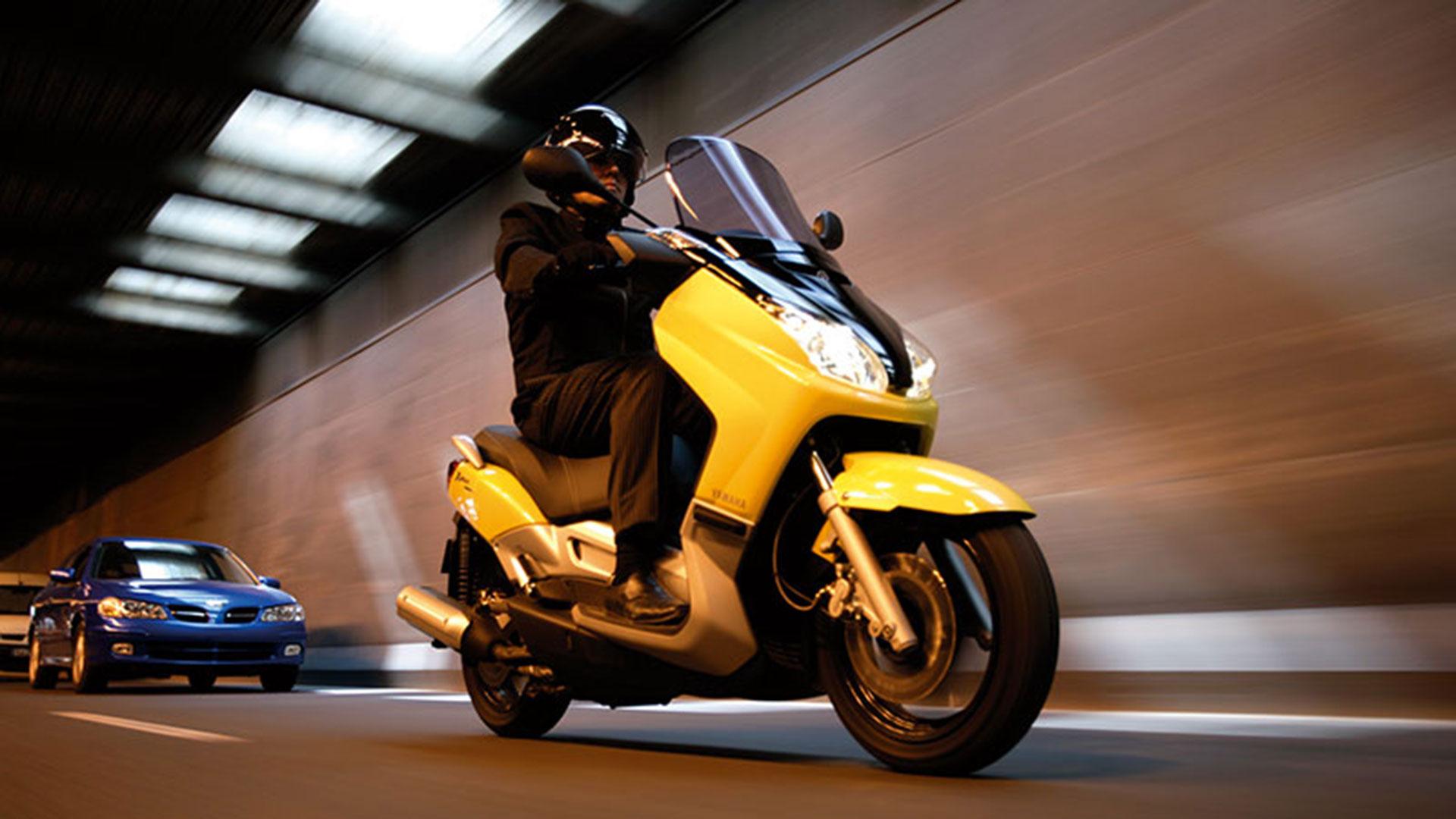
Yamaha's Continuously Variable Transmission (CVT) systems represent sophisticated engineering that demands genuine OEM components for optimal performance, reliability, and longevity. These precision-manufactured drivetrain components work in perfect harmony to deliver smooth power delivery and efficient operation that defines the Yamaha scooter experience. Understanding what makes OEM parts essential becomes particularly critical with CVT systems, where precise tolerances and material specifications directly impact transmission efficiency, component life, and overall scooter performance.
Carolina Cycle's comprehensive selection of genuine Yamaha scooter transmission and variator components ensures you have access to the exact parts needed for professional-quality CVT service and repair. Our decades of experience with Yamaha powersports vehicles provides valuable insight into CVT maintenance requirements, component selection, and service procedures that maximize transmission life while maintaining optimal performance characteristics.
Whether you're performing routine CVT maintenance, addressing specific transmission issues, or rebuilding a complete variator system, our genuine Yamaha OEM components provide the precision manufacturing and quality materials needed for reliable, long-lasting drivetrain performance.
Understanding Yamaha CVT System Design
CVT System Operation Principles
Yamaha's CVT technology utilizes a sophisticated combination of centrifugal clutches, variable pulleys, and specialized drive belts to provide seamless power delivery across all operating conditions. This system automatically adjusts gear ratios based on engine speed and load conditions without discrete gear changes.
Core CVT Components:
- Primary clutch assembly: Engine-driven component that responds to RPM changes through centrifugal force
- Secondary clutch system: Load-sensitive component that adjusts based on resistance and speed requirements
- CVT drive belt: Specialized belt designed to operate efficiently across variable pulley ratios
- Variator components: Precision-manufactured weights, springs, and plates that control clutch engagement
System Integration Benefits: Yamaha's CVT systems provide smooth acceleration without shift shock, automatic optimization for varying load conditions, and consistent power delivery that adapts to riding demands. This integration requires precise component specifications to maintain optimal system balance and performance.
The Yamaha scooter drivetrain components catalog includes detailed exploded diagrams and specifications that ensure proper component identification and selection for successful CVT maintenance and repair procedures.
Model-Specific CVT Applications
Different Yamaha scooter models incorporate varying CVT designs optimized for their specific engine characteristics, intended use patterns, and performance requirements.
Yamaha Scooter CVT Categories:
- Urban commuter models (Vino, C3): CVT systems optimized for city riding and fuel economy
- Sport scooters (SMAX, XMAX): Performance-oriented CVT with enhanced power delivery characteristics
- Utility scooters (Zuma, BWs): Robust CVT designs emphasizing reliability and versatility
- Touring models (TMAX): High-capacity CVT systems designed for extended riding and varied conditions
Each model incorporates specific component specifications, spring rates, and weight configurations that optimize CVT performance for intended applications. Using correct model-specific components ensures optimal transmission behavior and maximum component life.
Essential CVT Components and Functions
Primary Clutch System Components
The primary clutch assembly serves as the engine interface, responding to RPM changes through centrifugal force to engage the drive system and initiate power transfer to the secondary clutch.
Primary Clutch Elements:
- Clutch weights: Precisely manufactured components that create centrifugal force for clutch engagement
- Spring assemblies: Calibrated springs that control engagement RPM and modulate clutch behavior
- Clutch plates: Friction surfaces that provide power transfer interface with drive belt
- Variator housing: Precision-machined housing that contains and supports all moving components
Weight and Spring Specifications: CVT performance depends critically on proper weight and spring specifications. Heavier weights provide earlier engagement and different shift characteristics, while spring rates affect engagement feel and maximum RPM capabilities. Yamaha engineers these components to specific tolerances for optimal performance.
Secondary Clutch Assembly
The secondary clutch responds to load conditions and vehicle speed, automatically adjusting to provide optimal gear ratios for varying riding conditions and power demands.
Secondary Clutch Components:
- Clutch sheaves: Variable-diameter pulleys that adjust automatically based on belt tension and load
- Torque springs: Springs that modulate clutch response to load changes and provide shift characteristics
- Sliding sheave assemblies: Components that allow automatic diameter adjustment for ratio changes
- Bearing systems: Precision bearings that support smooth operation under varying loads
Load-Responsive Operation: The secondary clutch automatically adjusts pulley diameter based on load conditions, providing higher effective gear ratios for acceleration and lower ratios for maintaining speed. This automatic adjustment optimizes engine operation across varying conditions.
CVT Drive Belt Specifications
The CVT drive belt serves as the critical link between primary and secondary clutches, transferring power while accommodating continuously variable pulley diameters throughout the transmission's operating range.
Belt Design Characteristics:
- Variable-width construction: Belt design that operates efficiently across changing pulley diameters
- Heat-resistant materials: Compounds that withstand high operating temperatures and friction
- Flexible reinforcement: Internal reinforcement that provides strength while maintaining flexibility
- Precise dimensional tolerances: Width, length, and angle specifications critical for proper operation
Belt Maintenance Requirements: CVT belts require periodic inspection and replacement based on wear patterns, operating conditions, and mileage intervals. Proper belt condition is essential for efficient power transfer and prevents damage to clutch components.
CVT Maintenance Procedures and Best Practices
Routine CVT Service Requirements
Regular CVT maintenance ensures optimal performance while preventing expensive component failures that can result from neglected service or improper component selection.
Standard CVT Service Intervals:
- Belt inspection: Visual inspection every 3,000 miles or annually for wear patterns and damage
- Component cleaning: Thorough cleaning of clutch surfaces and variator components
- Weight and spring inspection: Checking for wear, damage, or contamination affecting performance
- Lubrication service: Proper lubrication of bearing surfaces and moving components
Service Interval Factors: CVT service intervals may vary based on operating conditions, riding style, and environmental factors. Aggressive riding, dusty conditions, or frequent stop-and-go operation may require more frequent service to maintain optimal performance.
CVT Component Replacement Procedures
Belt Replacement Guidelines: CVT belt replacement requires careful attention to proper installation procedures, belt direction, and clutch alignment. Incorrect installation can cause premature failure and poor performance characteristics.
Weight and Spring Service: Variator weights and springs require periodic replacement based on wear patterns and performance degradation. Yamaha specifies exact weight values and spring rates for optimal CVT operation across different models and applications.
Clutch Surface Maintenance: Clutch surfaces require periodic inspection and possible refinishing to maintain proper friction characteristics. Glazed or damaged surfaces can cause belt slippage and reduced performance.
Performance Optimization and Tuning
CVT Tuning for Different Applications
While maintaining OEM specifications, CVT systems can be optimized for specific riding conditions through careful component selection within manufacturer guidelines.
Urban Commuting Optimization:
- Early engagement weights: Components that provide smooth engagement for city stop-and-go conditions
- Fuel economy springs: Spring rates optimized for efficiency rather than maximum performance
- Durability focus: Component selection emphasizing longevity over peak performance
Performance Applications:
- Sport-tuned components: Weights and springs optimized for aggressive riding and maximum power transfer
- High-RPM capability: Components designed for sustained high-speed operation
- Quick engagement: Setup optimized for rapid acceleration and responsive throttle
Environmental Considerations
Temperature Effects on CVT Performance: CVT systems are affected by ambient temperature, with cold weather requiring longer warm-up periods and hot weather potentially affecting belt and clutch performance. Yamaha components are designed to operate effectively across temperature ranges.
Altitude Compensation: High-altitude operation may affect CVT engagement characteristics due to reduced air density. Component selection and setup may require adjustment for optimal performance at elevation.
Installation Guidance and Service Tips
Professional Installation Considerations
When Professional Service is Recommended:
- Complete CVT rebuilds: Comprehensive service requiring specialized tools and experience
- Performance modifications: Tuning changes that require expertise and testing
- Diagnostic troubleshooting: Complex performance issues requiring professional analysis
- Warranty compliance: Service that must be documented for warranty coverage
DIY Service Capabilities
Owner-Accessible Maintenance:
- Belt replacement: Straightforward procedures with proper tools and service manual guidance
- Basic cleaning: Routine cleaning of accessible components and inspection procedures
- Visual inspection: Checking for obvious wear, damage, or contamination
- Basic adjustments: Minor adjustments within manufacturer specifications
Required Tools and Equipment: CVT service requires basic hand tools, torque wrench, and service manual specifications. Some procedures may require specialized tools for proper clutch disassembly and installation.
Troubleshooting Common CVT Issues
Performance Problems and Solutions
Common CVT Symptoms:
- Poor acceleration: Often related to belt condition, weight wear, or clutch problems
- High RPM without speed increase: Typically indicates belt slippage or clutch wear
- Unusual noises: May indicate bearing wear, belt damage, or component misalignment
- Inconsistent engagement: Often related to spring fatigue or weight contamination
Diagnostic Approaches:
- Visual inspection: Checking belt condition, weight wear, and spring integrity
- Performance testing: Evaluating acceleration and top speed characteristics
- Component measurement: Checking wear patterns and dimensions against specifications
- System cleaning: Removing contamination that may affect component operation
Preventive Maintenance Benefits
Regular CVT maintenance using genuine Yamaha components prevents many common problems while extending component life and maintaining optimal performance characteristics.
Maintenance Advantages:
- Extended component life: Proper service prevents premature wear and failures
- Consistent performance: Regular maintenance maintains optimal power delivery characteristics
- Reduced repair costs: Preventive service costs less than component replacement or system rebuilds
- Reliable operation: Proper maintenance ensures dependable transportation and reduces breakdowns
Frequently Asked Questions
How often should I replace my Yamaha scooter CVT belt?
CVT belt replacement intervals typically range from 6,000 to 12,000 miles depending on model, riding conditions, and maintenance practices. Aggressive riding or dusty conditions may require more frequent replacement. Regular inspection helps determine optimal replacement timing.
Can I use aftermarket CVT components in my Yamaha scooter?
While aftermarket components may physically fit, they often don't meet Yamaha's exact specifications for materials, tolerances, and performance characteristics. Genuine Yamaha components ensure optimal CVT operation and maintain warranty coverage.
What tools do I need for basic CVT maintenance?
Basic CVT service requires metric socket sets, wrenches, screwdrivers, and a torque wrench. Some procedures may require specialized clutch tools. Always consult your service manual for specific tool requirements and procedures.
How do I know if my CVT weights need replacement?
CVT weights should be replaced when they show signs of wear, cracking, or weight loss. Inconsistent engagement, poor acceleration, or unusual CVT behavior may indicate worn weights requiring replacement.
Should I replace all CVT components at once or individually?
Related CVT components like belts, weights, and springs should generally be replaced together for optimal performance and reliability. However, some components like bearings may not require replacement during routine belt service unless showing signs of wear.
Conclusion
Yamaha scooter CVT systems deliver exceptional performance and reliability when maintained with genuine OEM components designed specifically for each model's requirements. The precision engineering and quality materials in authentic Yamaha transmission and variator components ensure your scooter continues to provide the smooth power delivery and efficient operation that define the Yamaha riding experience.
The investment in genuine Yamaha CVT components pays significant dividends through extended component life, maintained performance characteristics, and reliable operation that keeps you moving. From routine belt replacement to complete variator rebuilds, authentic Yamaha components provide the quality and precision needed for professional-quality service results.
At Carolina Cycle, our extensive experience with Yamaha scooter CVT systems and comprehensive inventory of genuine transmission components ensures you have access to exactly what your scooter needs for optimal drivetrain performance. Our knowledgeable specialists can help you identify the correct components for your specific model while providing guidance for successful installation and maintenance procedures.
Don't compromise your Yamaha scooter's CVT performance with inferior components or incomplete service. Contact our Yamaha scooter specialists today to discuss transmission service requirements and component selection for your specific model and riding needs. We've been supporting Yamaha scooter owners globally since 1970, providing genuine parts, expert guidance, and comprehensive CVT support that keeps your Yamaha running smoothly mile after mile.
