


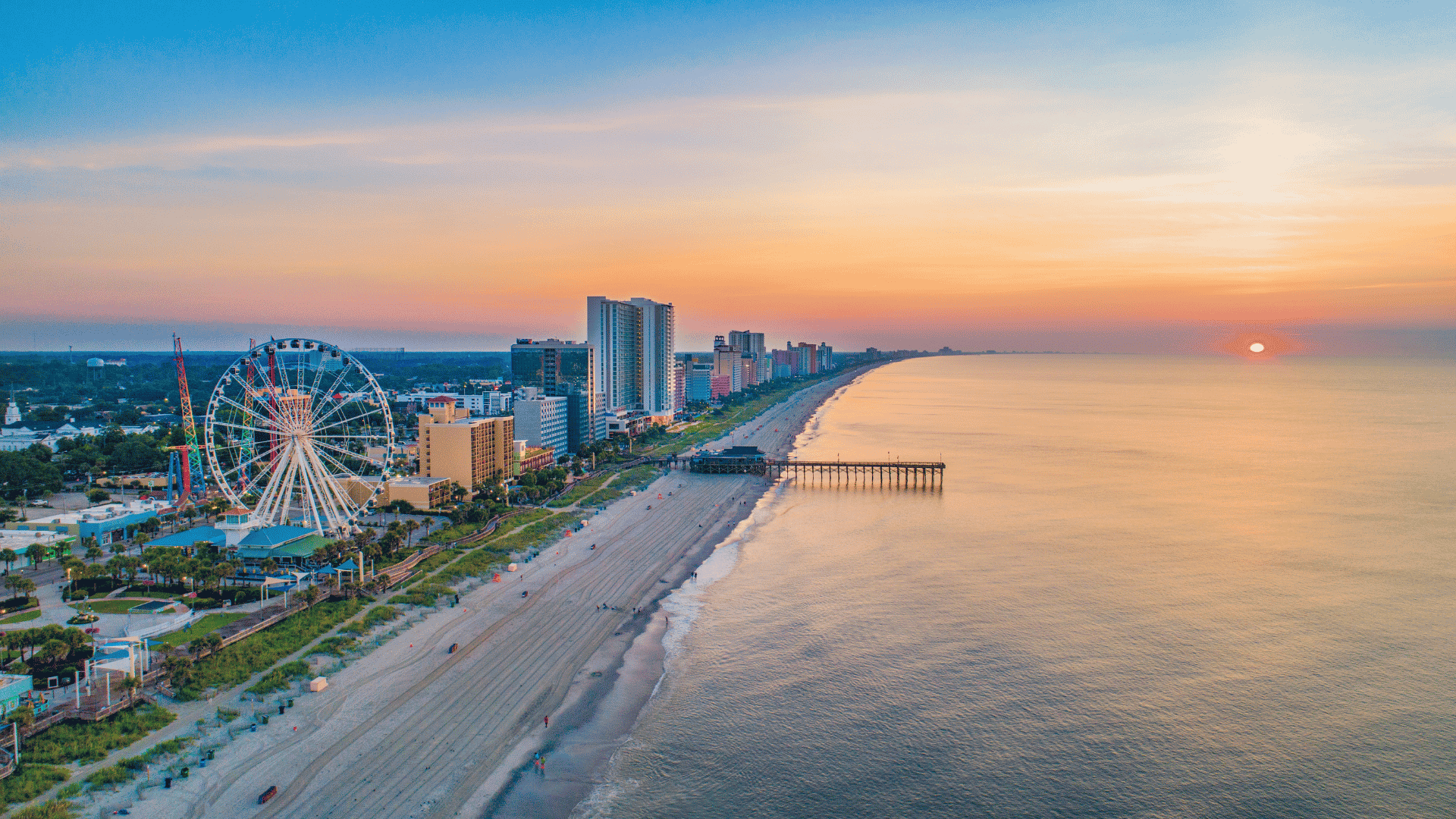
The Carolina coast is a rider's playground, and few places capture it better than the Grand Strand around Myrtle Beach, long a gathering point for motorcyclists from across the Southeast. From the beach towns of the Strand to the quiet barrier islands of the Crystal Coast and the historic routes around Cape Fear, coastal Carolina offers miles of relaxed, scenic riding. Since 1970, Carolina Cycle has helped riders enjoy it while keeping their machines protected from the one thing the coast does best: corrosion.
Salt air and humidity are hard on a motorcycle in ways inland riding never is, and the effects build quietly over time. This guide covers why coastal conditions are so demanding, how to protect your bike, and how to care for it after a ride by the sea, along with a few of the routes that make the Carolina coast worth the trip.
Why Coastal Riding Is Hard on Your Motorcycle
Salt is the enemy. Coastal air carries fine salt particles that settle on every surface of your motorcycle, and combined with the region's high humidity, that salt accelerates corrosion on any exposed metal. What starts as a little surface rust on a fastener can, over a season of neglect, work its way into places that matter.
The damage is gradual and easy to miss until it's advanced. Electrical connectors corrode and cause intermittent gremlins, fasteners seize, exposed metal pits, and moving parts wear faster when salt and grit get into them. None of this is a reason to avoid the coast, since riders enjoy it for generations without trouble. It simply means coastal riding rewards a little extra care, and the riders who give it are the ones whose bikes stay looking and running their best.
Protecting Your Bike from Salt and Humidity
Protection is mostly about maintaining barriers between salt and the metal underneath, and staying ahead of corrosion before it takes hold. Genuine components matter here because their finishes and seals are designed to resist exactly these conditions.
Fasteners, Finishes, and Exposed Metal
Keeping protective coatings intact is your first defense. Genuine fasteners and hardware come with the corrosion-resistant finishes the factory specified, and replacing rusted or pitted hardware with proper components restores that protection. A coat of appropriate protectant on exposed metal adds another barrier the salt has to get through.
Electrical Connectors and Grounds
Coastal corrosion loves electrical connections, where it causes some of the most frustrating problems. Keeping connectors clean and protected with dielectric grease helps enormously, and replacing corroded connectors or grounds with genuine parts restores reliable contact. Many mysterious electrical faults on coastal bikes trace back to nothing more than corrosion.
Chain and Moving Parts
Salt and grit are hard on chains and other moving parts, accelerating wear when they work their way in. Regular cleaning and proper lubrication keep the chain protected, and staying on top of it matters more near the coast than almost anywhere else. Genuine chains and drive components hold up as designed when they're properly maintained.
You can find genuine parts for these systems in our Yamaha motorcycle parts catalog and Kawasaki motorcycle parts catalog, and we're glad to help you match the right component to your model.
Riding the Carolina Coast
The riding itself is the reward. The Grand Strand around Myrtle Beach is the region's motorcycle heart, with a long tradition of drawing riders and plenty of coastal cruising in every direction. North along the coast, the Crystal Coast and its barrier islands offer quieter, scenic routes, while the Cape Fear area around Wilmington blends history with easy coastal miles.
Part of enjoying these routes is riding them prepared. Summer brings afternoon storms and stretches of humid heat, so a bike in good condition and a rider ready for changing weather make the most of the coast. Plan your fuel and rest stops around the smaller beach towns, and give yourself time to enjoy the relaxed pace the coast invites.
After-Ride Care for Coastal Conditions
What you do after a coastal ride matters as much as any part you install. A thorough rinse with fresh water removes the salt before it has time to work, and it's the single most effective thing you can do to protect your bike. Pay attention to the areas where salt collects, then dry the bike and consider a protectant on vulnerable metal.
Beyond the rinse, a periodic check of connectors, fasteners, and the chain keeps small problems from becoming big ones. Riders who make this a habit find that their bikes hold up beautifully to years of coastal use. The coast asks for consistency more than effort, and a few minutes of care after each ride pays off for seasons to come.
Choosing the Right Protective Parts
Start with your exact model and year so any replacement hardware, connector, or drive component fits and protects as intended. Coastal riders do best focusing first on the areas salt attacks hardest: electrical connections, exposed fasteners, and the chain or final drive. Addressing corrosion as it appears, rather than waiting, keeps it from spreading.
If you've already got corrosion working on your bike, replacing affected components with genuine parts restores both the appearance and the protection. When you're unsure what your bike needs, tell us your model and how much coastal riding you do, and we'll help you put together the right protection.
Frequently Asked Questions
How soon should I rinse my bike after coastal riding?
As soon as you reasonably can. The longer salt sits on your motorcycle, the more time it has to start corrosion, so a fresh-water rinse the same day is ideal.
Does coastal riding really cause that much corrosion?
Over time, yes, especially without regular care. Salt air combined with humidity accelerates corrosion on exposed metal and electrical connections. Consistent cleaning and protection keep it well in check.
What electrical problems does coastal corrosion cause?
Corroded connectors and grounds cause intermittent faults, poor connections, and hard-to-trace gremlins. Keeping connectors clean and protected prevents most of these issues.
Is Myrtle Beach a good motorcycle destination?
It's one of the Southeast's most established, with a long motorcycle tradition and easy coastal riding in every direction. The broader Carolina coast adds even more scenic routes worth exploring.
Can Carolina Cycle help me with corrosion-related parts?
Absolutely. We ship genuine parts nationwide and can help you find the hardware, connectors, and drive components that stand up to coastal conditions. Just tell us your model.
Enjoy the Coast, Protect Your Ride
The Carolina coast offers some of the most relaxed and rewarding riding in the Southeast, and a little protection lets you enjoy it for years without letting salt take its toll. Maintain your bike's barriers against corrosion, rinse away the salt after every ride, and address any trouble with genuine parts. Do that, and the coast becomes a place you return to again and again.
When you're ready to protect your bike for coastal riding, contact our team through our OEM parts support page. We've helped Southeast riders since 1970, and we ship nationwide to keep your machine protected wherever the coast takes you.
