


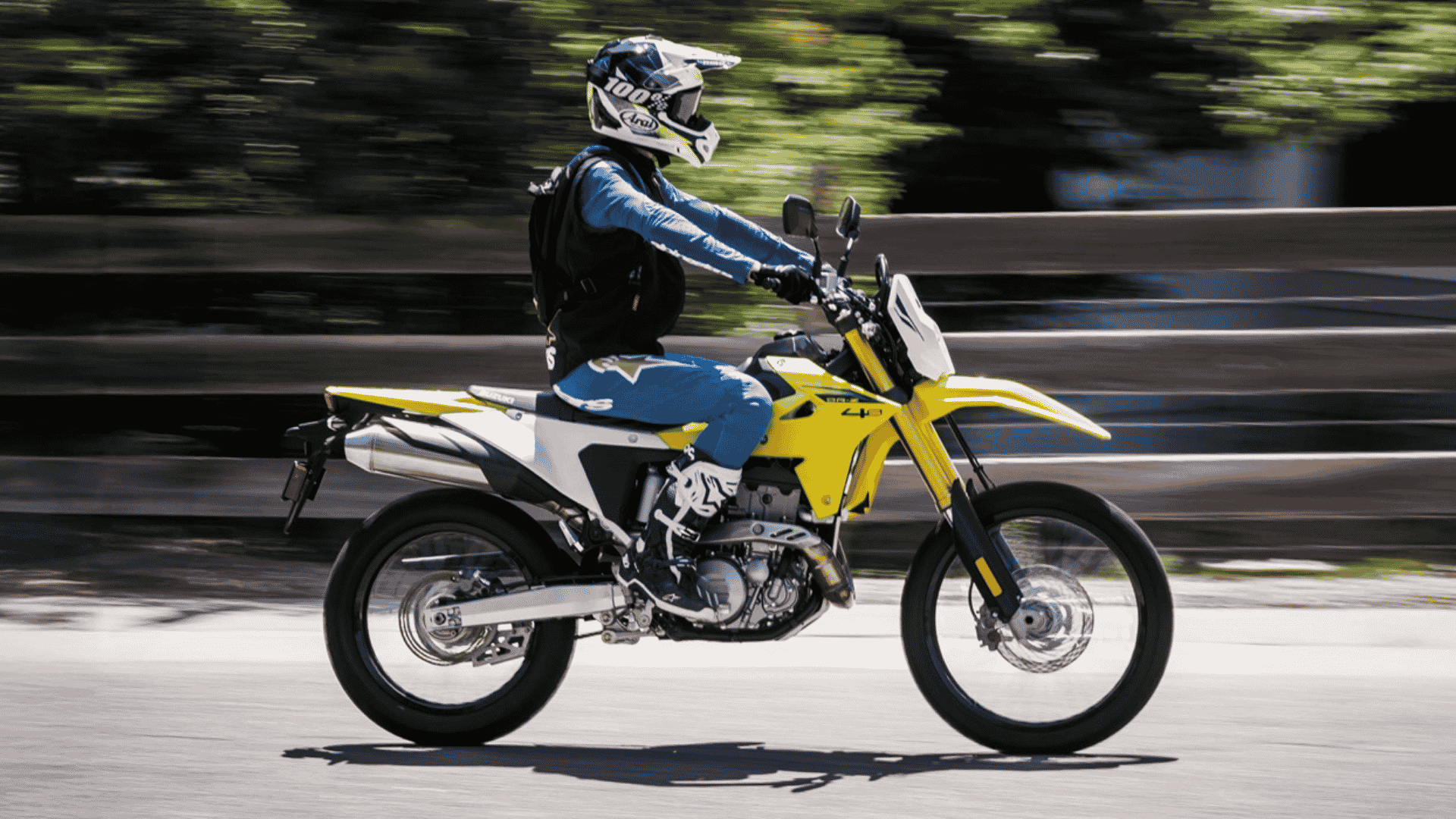
Texas summer isn't just hot, it's relentless. In San Antonio and across south-central Texas, riders face weeks of triple-digit afternoons with little overnight relief, and that sustained heat asks more of a motorcycle than a single hot day ever could. Carolina Cycle has shipped genuine OEM parts to riders nationwide since 1970, and we know what Texas heat demands of a cooling system.
This guide is about preparing your bike, and yourself, for prolonged extreme heat. We'll cover why sustained temperatures are harder on your machine than occasional ones, how to get your bike ready with the right parts, and when it's time to bring in help.
Why Sustained Heat Is Different
A single hot afternoon gives your engine time to recover overnight. A Texas summer doesn't. When daytime highs sit above 100 degrees for days on end and nights stay warm, your bike never fully cools down between rides, and every component operates near the top of its range for longer stretches.
This is where heat soak becomes a real factor. Sitting in traffic or at a light, an engine can't rely on airflow to shed heat, and in extreme ambient temperatures the cooling system has almost no margin to give. Parts that would last for years in a milder climate get worked much harder in Texas, which is why prevention matters more here than almost anywhere.
Preparing Your Bike for Texas Summer
Getting ahead of the heat is mostly about making sure the systems that manage it are in top condition before the worst of the season.
Cooling System Readiness
On a liquid-cooled bike, fresh coolant, sound hoses, and a fan that cycles reliably are non-negotiable in this climate. On air-cooled machines, clean oil at the correct level and avoiding long idles do the same protective work. Either way, address any weak cooling component before summer rather than during it. You can find genuine cooling and engine parts for your bike in our Honda motorcycle parts catalog and Suzuki motorcycle parts catalog.
Fluids and Tires
Heat thins oil and accelerates its breakdown, so stay on schedule and use the viscosity your manufacturer specifies for hot conditions. Hot pavement also raises tire pressure and softens rubber, so check pressures cold and set them to spec. Both steps protect your bike and your safety when the road surface itself is radiating heat.
Airflow and Intake
A clean air filter helps your engine breathe efficiently, which matters when the intake air is already hot. Replacing a clogged filter with a genuine unit is a small step that supports overall running in extreme conditions.
Riding Smart in Extreme Heat
Preparation doesn't stop with the bike. In sustained heat, when and how you ride makes a real difference. Riding in the early morning or evening avoids the worst of the afternoon heat soak and is easier on both you and your machine. Watching your temperature gauge and knowing your bike's normal range lets you catch trouble before it becomes a breakdown.
Extreme heat is hard on riders too. Staying hydrated, wearing ventilated protective gear, and taking breaks in the shade keep you sharp, and a sharp rider is a safer one. Managing the heat is a partnership between you and the machine.
When to Seek Service
Some situations call for professional help. If your bike overheats repeatedly despite fresh coolant and a working fan, if you find coolant leaks you can't trace, or if the temperature climbs into the danger zone on a normal ride, it's time to have the system inspected. Persistent overheating can cause real engine damage, so it's not worth riding through.
There's no downside to asking. If you're unsure whether what you're seeing is normal for Texas conditions or a sign of trouble, reach out and we'll help you sort it out.
Frequently Asked Questions
Is it safe to ride my motorcycle in 100-degree Texas heat?
Yes, with a healthy cooling system and sensible habits. Make sure your coolant, fan, and fluids are in good shape, ride during cooler parts of the day when you can, and watch your temperature gauge.
Why does my bike overheat more in San Antonio than it used to elsewhere?
Sustained high temperatures give your engine less recovery time and less cooling margin than milder climates. A system that coped fine elsewhere may need to be in better condition to handle prolonged Texas heat.
Should I change my coolant more often in a hot climate?
Coolant depletes on a set interval regardless of climate, but if you can't recall your last change, extreme heat is a good reason to refresh it and confirm the system is sound.
Does air-cooled or liquid-cooled do better in Texas?
Both work well when properly maintained. Liquid-cooled bikes have more built-in margin, while air-cooled bikes are more sensitive to long idling, so avoiding extended stops helps them most.
Can you help me find cooling parts if I'm not local?
Absolutely. We ship genuine OEM parts nationwide, including throughout Texas. Give us your model and year and we'll confirm the right components.
Ride Confident Through the Texas Heat
Sustained extreme heat is demanding, but a well-prepared bike and a smart rider handle it just fine. Get your cooling system in top shape with genuine parts, ride during the cooler hours when you can, and don't ignore the warning signs. Do that, and Texas summer becomes just another season to enjoy.
When you're ready to prepare your bike, contact our team through our OEM parts support page. We've supplied riders with genuine parts since 1970, and we ship nationwide to keep you riding cool.
