


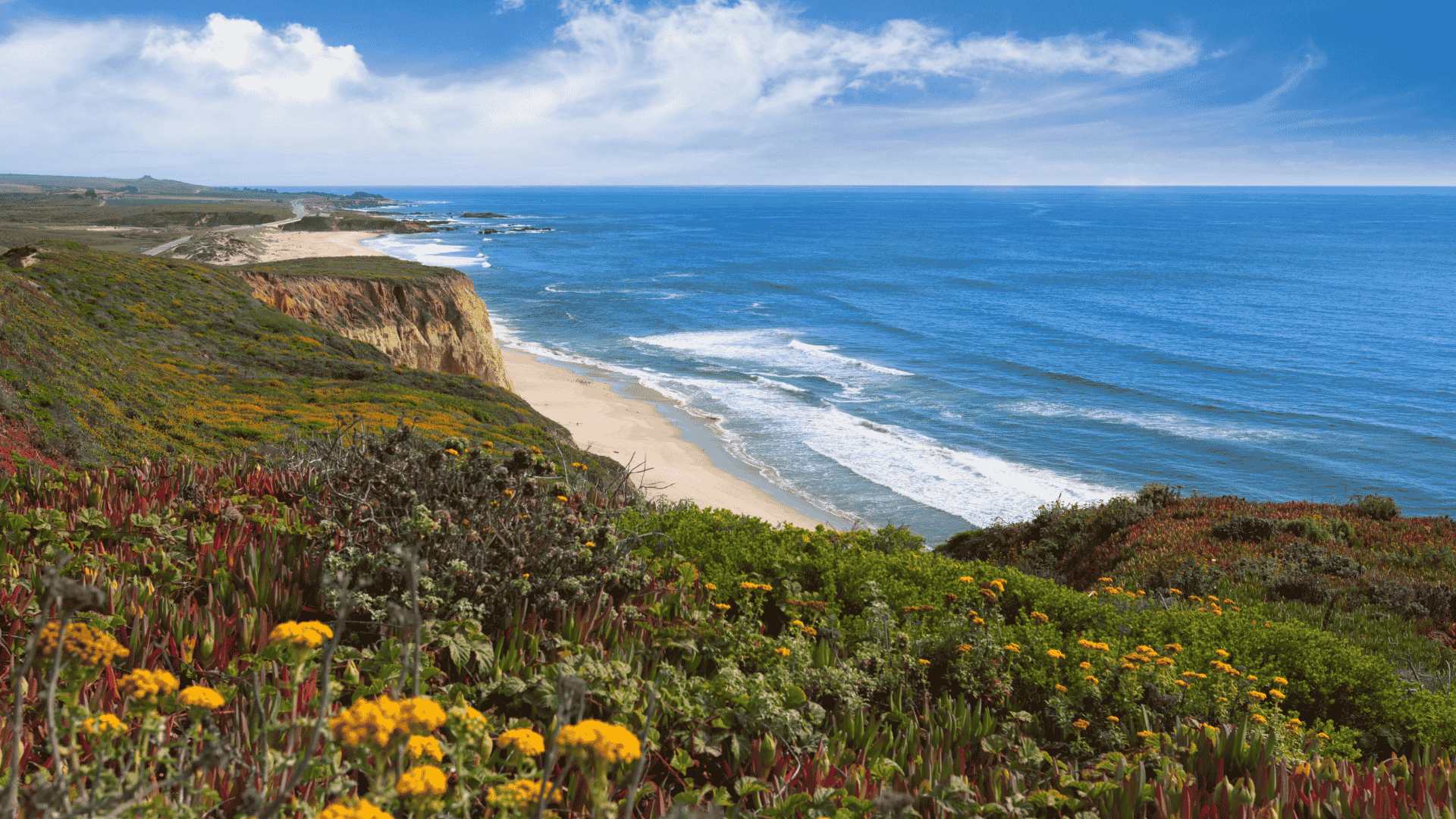
California's Highway 1 is one of the world's great motorcycle roads, and the stretch through Monterey and Big Sur is its crown jewel. Winding cliffs, ocean views, and mile after mile of sweeping curves draw riders from everywhere, but the Pacific coast is also a demanding place to tour. Long distances, remote stretches, and the ever-present marine layer all ask for a well-prepared machine. Since 1970, Carolina Cycle has supplied genuine OEM parts to riders nationwide, and we ship throughout California to help you take on the coast with confidence.
This guide covers what makes Pacific Coast touring unique, how to prepare your bike for the distances involved, how to protect it from coastal moisture, and how to plan a ride through the Monterey and Big Sur country. The road is spectacular, and it rewards riders who come ready.
What Makes Pacific Coast Touring Unique
Highway 1 is a touring road in the truest sense. Distances between towns and services can be significant, especially through Big Sur, where fuel and help are spread far apart. That means your motorcycle needs to be reliable over long stretches, not just capable of a short spirited ride.
The coast also has its own climate. The marine layer, a blanket of cool, damp fog, rolls in and out along the shore and keeps everything moist for hours at a time. Temperatures swing between the foggy coast and sunnier inland stretches, and the constant humidity works on your bike much like salt air does elsewhere. Add the elevation changes of the cliffside route, and you have a ride that asks more of your brakes, drivetrain, and corrosion protection than a typical day trip.
Preparing for Long Pacific Coast Distances
Reliability is the foundation of a good Pacific Coast tour. Before you set out, make sure the systems that carry you the distance are in top condition. Tires with plenty of life and correct pressures, brakes with fresh fluid and ample pad material, and a well-maintained final drive are the essentials, since the remote stretches of Big Sur are no place to discover a worn component.
Fluids deserve attention too, since long miles and elevation changes keep your engine working. Confirm your oil and coolant are fresh and topped off, and give the whole machine a careful look before a long coastal run. You can find genuine components for these systems in our Suzuki motorcycle parts catalog and Honda motorcycle parts catalog, and our team can help you identify what your specific model needs.
Protecting Against the Marine Layer
The coast's persistent moisture is subtle but real. Unlike a passing rain shower, the marine layer keeps your motorcycle damp for extended periods, and that sustained humidity finds its way into the same places salt air would.
Moisture and Electrical Systems
Damp conditions are hard on electrical connections, where moisture causes corrosion and intermittent faults over time. Keeping connectors clean and protected with dielectric grease goes a long way, and replacing any corroded connector or ground with a genuine part restores dependable contact. On a remote coastal route, electrical reliability is worth protecting.
Exposed Metal and Finishes
Constant moisture works on exposed metal and any spot where a protective finish has been compromised. Genuine fasteners and hardware carry the corrosion-resistant finishes the factory intended, and keeping vulnerable metal coated with an appropriate protectant adds another layer of defense. Staying ahead of surface corrosion keeps it from becoming something deeper.
Planning the Monterey and Big Sur Route
Monterey makes a natural starting point for the region's best riding, with Big Sur's dramatic coastline stretching south from there along Highway 1. It's a route to savor rather than rush, with countless pullouts for taking in the views and a pace that rewards relaxed, attentive riding.
Plan around the remoteness. Fuel up before long stretches, since services thin out considerably through Big Sur, and check current road conditions ahead of time, as the coastal highway occasionally sees closures. Dress in layers for the temperature swings between fog and sun, and give yourself plenty of daylight. The route is as much about the experience as the destination, and a little planning lets you enjoy it fully.
After-Ride Care on the Coast
Coastal touring calls for a bit of after-ride attention. Wiping down your bike and drying off the moisture the marine layer leaves behind helps prevent corrosion from taking hold, and a periodic check of your electrical connectors and exposed hardware catches trouble early. On a multi-day tour, a quick evening once-over keeps small issues from growing between riding days.
This kind of consistent care is what keeps a coastal-touring bike reliable and looking its best. The Pacific coast is demanding, but a machine that gets regular attention handles it beautifully, ride after ride.
Choosing the Right Touring Parts
Begin with your exact model and year so every component fits and performs as designed, then prioritize the systems that Pacific Coast touring stresses most. Reliability parts like tires, brakes, and drive components come first, followed by the connectors and hardware that stand up to coastal moisture. Building from your machine's actual needs gets you the right parts without guesswork.
If your bike already shows signs of corrosion or wear, genuine replacements restore both function and protection. When you're planning a coastal tour and aren't sure what to check, tell us your model and your route, and we'll help you prepare with confidence.
Frequently Asked Questions
How remote is the Big Sur stretch of Highway 1?
Services are limited through Big Sur, with fuel and help spread far apart. Fuel up beforehand, carry water, and make sure your bike is reliable, since it's not a place you want to break down.
Does the marine layer really affect my motorcycle?
Yes. The marine layer's sustained moisture works on electrical connections and exposed metal much like salt air, just more gradually. Keeping connectors protected and metal coated helps prevent corrosion.
What should I check before riding the Pacific Coast Highway?
Focus on reliability: tires, brakes, final drive, and fluids, all in top condition. Then address corrosion protection on connectors and hardware. Long, remote distances make reliability the priority.
When is the best time to ride the Monterey and Big Sur route?
Summer offers long daylight and generally good conditions, though the marine layer can bring cool, foggy mornings along the coast. Check road conditions ahead of time, since closures do happen.
Can Carolina Cycle ship parts to California?
Absolutely. We ship genuine OEM parts nationwide, including throughout California. Give us your model and year and we'll confirm the right components for your coastal touring.
Take on the Coast Prepared
The Monterey and Big Sur stretch of Highway 1 is a ride every motorcyclist should experience, and preparation is what lets you enjoy it fully. Get your reliability systems in top shape, protect your bike from the marine layer, and plan around the route's remoteness, and the Pacific coast will reward you with an unforgettable ride.
When you're getting ready for the coast, contact our team through our OEM parts support page. We've supplied riders with genuine parts since 1970, and we ship nationwide to help you ride the California coast with confidence.
