


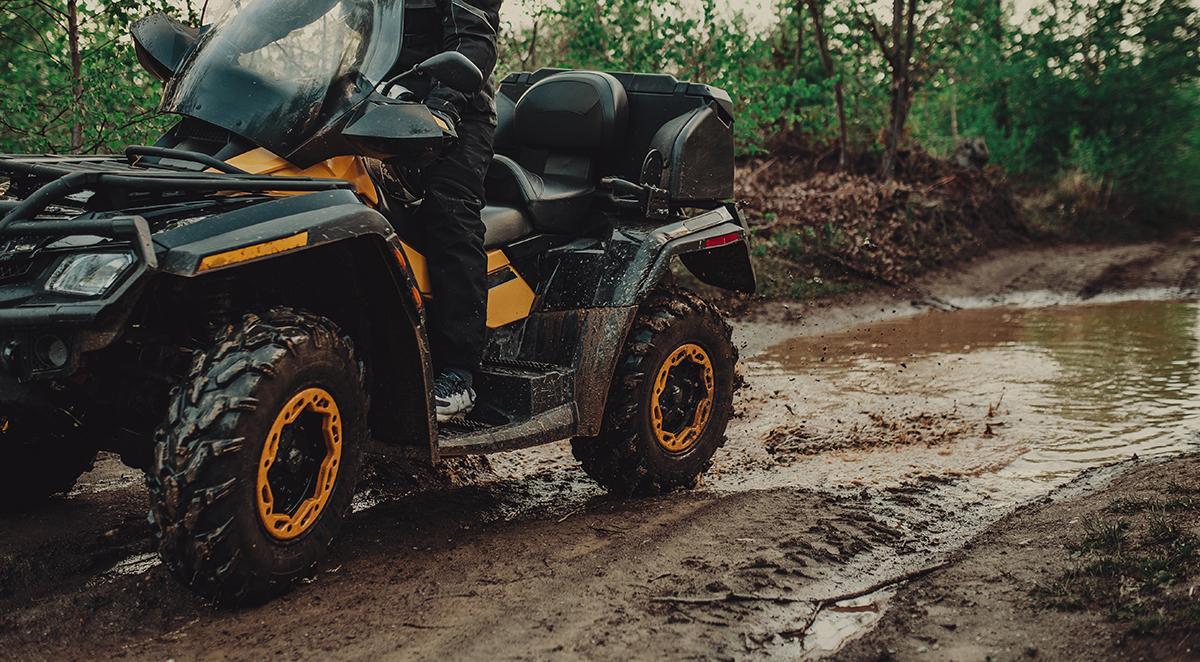
Since 1970, Carolina Cycle has helped Honda ATV owners get the most out of their machines, and summer is when trail riders push hardest. Aggressive riding over rocks, roots, stumps, and rough terrain is exactly what these machines are built for, but it's also where impacts and abrasion take their toll. The right protective components keep your Honda ready for the next ride instead of sidelined by damage that a guard would have prevented.
This page covers the genuine Honda protection that shields your ATV during hard summer trail riding, how to choose the right components for your terrain, and what to consider when installing them. Building the right protection package is one of the smartest investments an aggressive rider can make.
Why Aggressive Trail Riding Demands Protection
Hard trail riding subjects your ATV to constant impacts. Hidden rocks, fallen logs, stumps, and uneven terrain all strike the underside and sides of your machine, and at trail speed those impacts carry real force. Without protection, that force lands directly on components that are expensive to repair and can leave you stranded far from the trailhead.
The vulnerable areas are predictable. The undercarriage takes hits from anything the trail hides, the suspension arms are exposed on rough ground, the hand controls catch branches and brush, and the CV joints and axles sit right in harm's way. Understanding where impacts land is the first step to protecting your Honda intelligently, so you can direct your protection where your riding actually stresses the machine.
The Protection Components That Keep You Riding
Honda designs protective components to fit the exact contours of your machine, which matters because proper fit means complete coverage without interfering with function. You can find genuine protection for your model in our Honda ATV parts catalog.
Skid Plates and Undercarriage Guards
Full skid plates shield the belly of your ATV from the rocks and obstacles that hard trails hide. Genuine guards cover the vulnerable areas and mount to the frame's designed points, spreading impact loads the way the engineers intended rather than concentrating them.
A-Arm and Suspension Guards
The suspension arms are exposed on rough terrain, and a hard hit can bend or damage them. A-arm guards protect these components from rocks and debris, keeping your suspension working correctly ride after ride.
Handguards and Controls
Branches, brush, and the occasional tip-over are hard on hand controls. Handguards protect your levers and hands from impacts and deflect the brush that aggressive trail riding throws at you, which also helps you keep control in tight, overgrown sections.
Bumpers and Body Protection
Front and rear bumpers absorb impacts that would otherwise reach the body and frame, and they add a measure of protection in the tips and tumbles that come with pushing hard. Genuine bumpers match the machine's mounting and lines for protection that fits.
CV and Axle Protection
The CV joints and axles are among the most vulnerable and costly components on a hard-ridden ATV. Guards that shield them from direct impacts help prevent the damage that ends a ride, protecting parts that are both expensive and essential to keep you moving.
Building the Right Protection for Your Riding
The right package depends on how and where you ride. A rider tackling rocky, technical trails prioritizes undercarriage and suspension protection, while someone pushing through dense, overgrown terrain leans more on handguards and body protection. Being honest about your riding helps you build protection that matches it rather than guessing.
Start with your exact Honda model and year so every component fits correctly, then prioritize the areas your terrain stresses most. There's no need to armor everything at once, and many riders build their protection over time, adding pieces as they learn where their riding is hardest on the machine. When you're unsure where to start, tell us your model and how you ride, and we'll help you build a sensible package.
Installing Your Protection: DIY Considerations
Much of this protection is genuinely DIY-friendly. Skid plates, A-arm guards, handguards, and bumpers generally bolt to designed mounting points with common tools and a service manual, and installing them yourself helps you understand exactly how your machine is protected. Our guide on choosing between OEM and aftermarket parts is worth a read as you decide what to buy.
That said, take your time and follow the torque specifications, since protection that isn't mounted securely can work loose on rough trails or fail to protect as intended. If a component involves more than a straightforward bolt-on, or you'd rather have it done right the first time, a shop can handle the installation. The goal is protection you can rely on when the trail gets rough.
Why OEM Protection for Your Honda
Genuine Honda protective components are designed for your specific machine, which means they fit the mounting points precisely and provide the coverage the engineers intended. That precise fit is what lets a guard do its job, spreading impact loads correctly and staying put over rough terrain, rather than shifting or leaving gaps.
Fitment also means the protection works with your machine rather than against it. Genuine components clear the moving parts, mount securely, and hold up to the same abuse they're meant to shield against. When you're counting on a guard to save an expensive component miles from the trailhead, that reliability is exactly what you want.
Frequently Asked Questions
What protection should I install first on my Honda ATV?
Start with undercarriage skid plates, since the belly of the machine takes the most hidden impacts. From there, add suspension guards and handguards based on the terrain you ride most.
Will skid plates affect my ATV's performance?
Properly fitted genuine skid plates protect without interfering with function, mounting to designed points and clearing moving components. Correct fit is key, which is one reason factory-designed guards are worth choosing.
Can I install ATV protection myself?
Much of it is DIY-friendly and bolts to designed mounting points with basic tools. Follow the torque specifications carefully, since protection that works loose on the trail can't do its job.
Do I need protection if I only ride moderate trails?
Even moderate trails hide rocks and obstacles that can damage an unprotected machine. Basic undercarriage protection is worthwhile for almost any trail riding, with more added as your terrain gets tougher.
How do I know which parts fit my specific Honda?
Start with your exact model and year, since fitment varies across the lineup. Tell us what you ride and we'll confirm the genuine components that fit your machine.
Ride Hard, Ride Protected
Aggressive summer trail riding is what your Honda ATV was made for, and the right protection lets you enjoy it without paying for it in repairs. Shield the vulnerable areas with genuine guards that fit, build your package to match your terrain, and install everything securely. Do that, and you'll spend your summer on the trail rather than in the garage.
When you're ready to build your protection package, contact our team through our OEM parts support page. We've helped Honda ATV riders tackle tough terrain since 1970, and we'll make sure you get exactly the right components for how you ride.
