


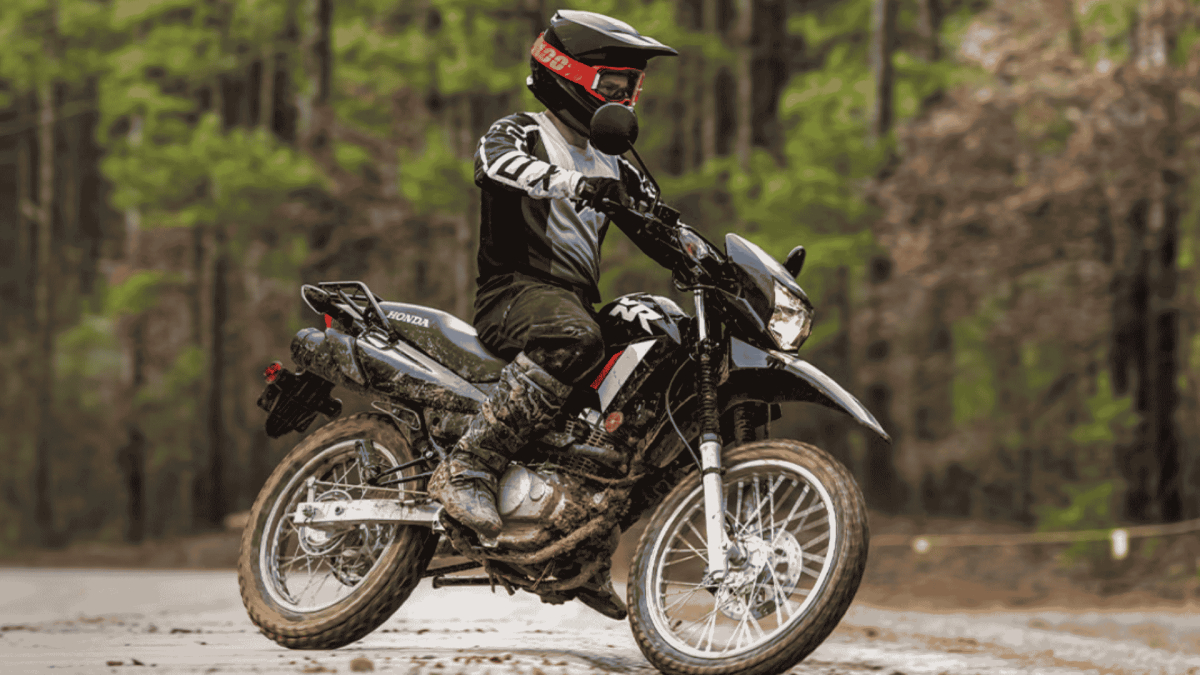
Rain is part of the deal when you ride, and a Honda built to handle it will only do so if its weather-facing components are in good shape. Genuine OEM parts are engineered to your bike's exact specifications, which matters most when water's getting into places it shouldn't and traction's already reduced. This page covers the factory-approved components that keep your Honda sealed, visible, and reliable through wet-weather riding.
You'll find that wet-weather readiness isn't about a single accessory. It's a combination of sealing components, lighting, and contact points all doing their jobs to specification. Getting those right with genuine Honda parts is what separates a confident rainy ride from a tense one.
Why Genuine Honda Parts Matter for Wet Riding
When conditions turn wet, the margin for error shrinks. A seal that's close but not quite right, or a lens that scatters light instead of projecting it, becomes a real problem rather than a minor annoyance. Genuine OEM components remove that uncertainty because they're made to the dimensions and materials Honda designed around.
Fitment is the heart of it. A gasket sized for your model seats correctly and keeps moisture out, while a substitute that's slightly off can let water past and cause trouble downstream. That precision is what you're paying for, and it's exactly what you want protecting your bike in the rain.
There's also a consistency benefit. Because OEM parts match the original specification, your Honda behaves the way you expect it to, ride after ride. In wet conditions, predictable is safe.
Sealing Components: Your First Defense Against Moisture
Most water-related damage starts at a failed seal. The rubber boots, grommets, gaskets, and O-rings scattered across your Honda are small and easy to overlook, but they're the difference between a dry electrical connector and a corroded one.
Cold winter months are hard on rubber. Seals can take a set, harden, or crack while a bike sits, so the start of the wet season is the right time to inspect them. Look closely at the boots protecting cables and connectors, the seals around the forks, and any gaskets that keep covers watertight. Anything cracked or hardened is worth replacing before it leaks.
How to Choose the Right Sealing Parts
Choosing sealing components comes down to one principle: match them to your exact model. Genuine Honda seals and gaskets are made to the precise dimensions of the part they replace, so they seat fully and hold up over time. You can find fitment-matched options in our Honda motorcycle parts catalog.
If you're not sure which seal or gasket you need, our team can help you identify it from your model and year. Getting the exact part the first time saves you the frustration of a leak that returns because a near-match never sealed properly.
Visibility in the Rain
Rain reduces visibility in both directions, so you see less and you're seen less. Both sides of that equation are worth addressing, and lighting is where most of the gain comes from.
A clouded or yellowed headlight lens scatters your beam, leaving you with less range right when you need it. Genuine replacement lenses and bulbs restore the optical performance the housing was built for. The same goes for brake light and signal lenses, where clear, correctly seated units make your intentions obvious to traffic behind you. For the riding side of wet-weather safety, our guide on riding your street bike in the rain is a useful companion to the hardware covered here.
Contact Points and Control
Staying in control when it's wet depends partly on secure contact with the bike. Worn grips turn slick in the rain, and that's the last place you want to lose your hold. Replacing tired grips with factory-spec parts is an inexpensive upgrade that pays off in confidence.
The same logic applies to footpeg surfaces and any rubber that gives you grip. These aren't dramatic components, but when your hands and feet stay planted, you ride more relaxed and more in control. It's a small detail that's easy to address before the season's first downpour.
Frequently Asked Questions
How do I know if my Honda's seals need replacing?
Inspect them for cracking, hardening, or any visible weeping around the seal. Rubber that sat through a cold winter is especially prone to taking a set or stiffening, so the start of wet season is a good time to check. If a seal looks compromised or you see moisture getting past it, replacing it with the correct genuine part is the fix.
Are genuine Honda parts really necessary, or will aftermarket work?
Aftermarket parts will often function, but genuine OEM sealing components are made to your model's exact dimensions, which is what guarantees a proper seal. In wet conditions, that fitment precision is the whole point, since a part that's slightly off can let water past. For weather-critical components, matching the factory specification is worth it.
Can I install rain-related parts like seals and grips myself?
Many of these are reasonable do-it-yourself jobs. Grips, lenses, and accessible grommets are straightforward for a confident owner, while seals tucked inside assemblies may be better left to a shop. Match the task to your comfort level, and reach out if you'd like guidance on what's involved for your specific model.
Does waterproofing my Honda mean it can handle deep water?
No. Sealing components protect against rain and road spray, not submersion. Their job is keeping moisture out of connectors, instruments, and sensitive areas during normal wet riding. Treat deep water with caution regardless of how well sealed your bike is.
Get the Right Parts for Your Honda
Wet-weather reliability is the sum of several small components in good condition. Sealed connections, clear lighting, and secure contact points together keep your Honda dependable when the roads turn slick, and genuine OEM parts give you the engineered fit that makes it all work.
If you're getting ready for the rainy season, our team can match the exact components your Honda needs. Reach out through our OEM parts support page and we'll help you find the right genuine parts the first time.
