


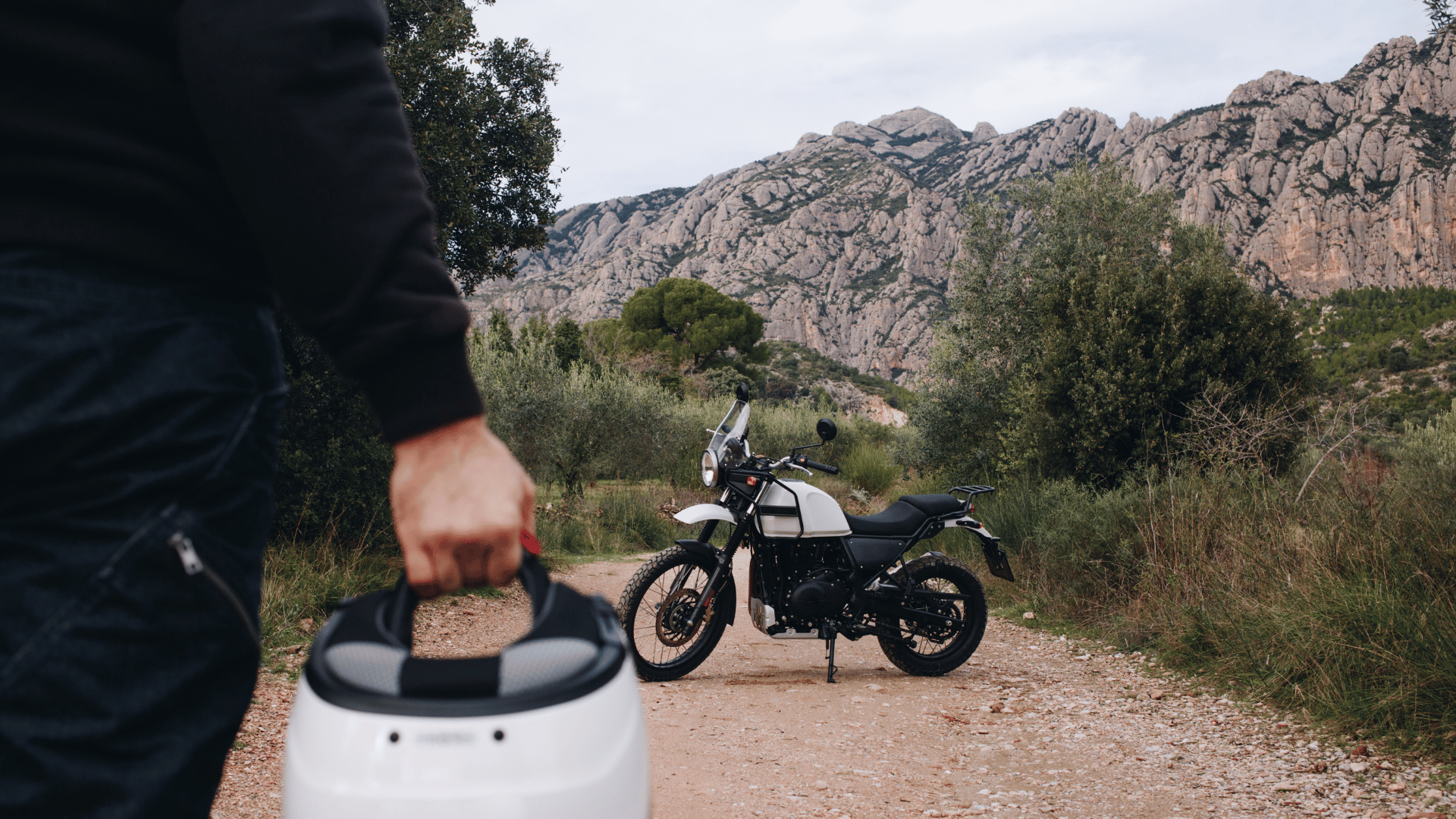
Western North Carolina is one of the most celebrated motorcycle destinations in the eastern United States, and with good reason. The roads that wind through the Blue Ridge and Great Smoky Mountains offer an extraordinary concentration of technical curves, dramatic elevation changes, and scenery that draws riders from across the country. Waynesville sits at the heart of this region, within easy reach of some of the most iconic routes anywhere in the Southeast.
The same terrain that makes NC mountain riding so rewarding also demands more from your motorcycle than a straightforward highway ride. Sustained grades, rapid altitude changes, tight switchbacks, and cooler temperatures at elevation create specific stresses on your machine's systems. Arriving with well-maintained, correctly-specced OEM components is the best preparation for everything these roads have to offer.
What Makes Mountain Riding Different from Highway Riding
Mountain riding places demands on a motorcycle that flatland and highway riding simply don't replicate. Understanding those demands points directly to the systems that deserve attention before you head out.
Sustained elevation change means your engine is working at varying air densities. On carbureted bikes, this can affect mixture and power delivery at altitude. More critically, sustained climbs keep the engine under load for extended periods, stressing the cooling system in ways a flat highway run does not.
Repeated hard braking on descents is one of the most significant factors in mountain riding. A long descent with frequent braking cycles builds heat in brake rotors, calipers, and fluid. Brake fade occurs when fluid temperature exceeds its boiling point, converting liquid to vapor that compresses under pedal pressure instead of transmitting force. Fresh OEM brake fluid rated to the manufacturer's specification is a direct safeguard against fade.
Temperature variation with altitude means your tires may be significantly cooler when you begin a descent than they were at lower elevation. Cold tires offer less grip, and managing warmup on a cool mountain morning is an important aspect of mountain riding safety.
Technical road surfaces on the older paved routes through the NC mountains include patched pavement, occasional gravel at road edges, and surface texture that varies significantly from one section to the next. Suspension that is in good condition and correctly set up absorbs these variations predictably.
Notable NC Mountain Riding Areas
The North Carolina mountain region offers several distinct riding destinations, each with its own character.
The Blue Ridge Parkway runs along the ridgeline of the Blue Ridge Mountains from the Virginia border to Cherokee, NC, offering long sweeping curves, consistent scenery, and an unhurried riding environment. Speed limits are modest and traffic varies by season.
US-129 at Deals Gap, known to riders as the Tail of the Dragon, packs 318 curves into 11 miles along the Tennessee-North Carolina border. It is one of the most technically demanding and frequently ridden stretches of road in the country, placing significant demands on brakes and tires.
The Cherohala Skyway connects Robbinsville, NC to Tellico Plains, TN through high-elevation terrain with long, flowing curves and dramatic mountain scenery. The elevation gain is substantial, making cooling system condition particularly relevant.
NC-215 and the surrounding roads in the Pisgah National Forest area, including the approach to the Blue Ridge Parkway via Brevard and Canton, offer some of the most technical and varied riding in the state, with Waynesville serving as a natural base.
OEM Parts That Matter Most for Mountain Riding
Brakes
The brake system is the most safety-critical system on a mountain ride and the one most commonly stressed by repeated descent braking. Inspect pad thickness before any mountain riding trip and replace with OEM-spec pads if wear indicators are within range. Replace brake fluid if it has been in service for more than a year, regardless of appearance. OEM brake fluid is spec'd to the boiling point and viscosity your caliper and master cylinder were designed around.
Cooling System
A sustained climb at speed keeps the engine under consistent load for minutes at a time, a scenario that reveals any weakness in the cooling system quickly. Inspect coolant condition and concentration before a mountain ride. Check OEM coolant hoses for softness or swelling at the clamp ends, where deterioration typically appears first. Confirm the OEM thermostat is functioning correctly: a stuck-open thermostat causes the engine to run below operating temperature; a stuck-closed thermostat causes overheating under sustained load.
Tires
Cold morning temperatures in the NC mountains, particularly at elevation, mean tires may need more warmup distance before offering full grip. Check cold tire pressure against your owner's manual specification before departing. Inspect tires for tread depth and sidewall condition. On technical roads, a tire that is worn toward its center from highway use offers less cornering grip than a tire with an even tread profile across its full width.
Suspension
Technical mountain roads expose worn suspension components quickly. Soft or leaking fork seals result in reduced damping that manifests as vague, inconsistent front-end feel through corners. Worn rear shock damping creates unpredictable rebound behavior on patchy pavement. OEM fork seals and shock components restore the damping characteristics your motorcycle was designed to deliver.
Chain and Drive System
Hard acceleration out of tight mountain corners places significant tension loads on the chain and sprockets. A chain at or beyond its stretch limit, or sprockets with hooked teeth, can skip under heavy load. Inspect and measure chain stretch before mountain riding season and replace with OEM-spec components if wear limits are reached.
Pre-Ride Checklist for Mountain Routes
Before departing for an NC mountain ride, run through this quick confirmation:
- Tire pressure set to cold specification
- Brake lever and pedal feel firm, no sponginess
- Chain slack within service manual specification and chain lubricated
- Coolant level confirmed in reservoir
- All lights and signals functional
- No fluid weeping visible from fork legs or shock bodies
Frequently Asked Questions
What is the best time of year to ride the Blue Ridge Parkway?
Late spring through early fall offers the most consistent conditions. May and June bring full foliage and moderate temperatures. October is peak fall color season and draws high traffic. The Parkway can close temporarily at higher elevations in winter and during severe weather events, so checking current road status before riding is always worthwhile.
How does altitude affect motorcycle performance?
Air density decreases with altitude, reducing the oxygen available for combustion. On fuel-injected motorcycles, the ECU adjusts fueling automatically to compensate, with minimal rider-perceptible effect at the elevations found in the NC mountains (generally under 6,000 feet). On carbureted bikes, the effect can include slightly richer running at elevation, which may present as mild sluggishness at the top of a long climb.
Why do brakes fade on mountain descents?
Brake fade occurs when repeated braking cycles build heat in the brake fluid beyond its boiling point, creating vapor bubbles in the hydraulic line. Vapor compresses under lever or pedal pressure rather than transmitting it to the calipers, resulting in a sudden loss of braking force. Fresh OEM-spec fluid with the correct boiling point rating is the primary safeguard. Proper braking technique on descents, using both brakes and engine braking rather than riding the brakes continuously, reduces heat buildup significantly.
Does Carolina Cycle serve riders traveling through the Waynesville area?
Carolina Cycle has been based in Waynesville since 1970 and carries genuine OEM parts for Honda, Kawasaki, Suzuki, and Yamaha motorcycles. For riders planning routes through the western NC mountains, our online catalog and support team are available before and during your trip. Contact our OEM parts support team for assistance.
Are there beginner-friendly mountain routes in the NC area?
Yes. The Blue Ridge Parkway is widely considered accessible for riders of varying experience levels, with smooth pavement, moderate speed limits, and predictable sweeping curves. The Cherohala Skyway is another excellent option for riders building mountain experience before attempting the more technical routes. US-129 at Deals Gap is generally recommended for experienced riders comfortable with sustained technical riding.
Gear Up for the Mountains
Western North Carolina's mountain roads reward preparation. Genuine OEM parts for your Honda, Kawasaki, Suzuki, or Yamaha motorcycle ensure your machine is ready for everything from the Blue Ridge Parkway to the Tail of the Dragon.
Browse Honda motorcycle OEM parts or Kawasaki motorcycle OEM parts to get started, and reach out to our support team with any questions about prepping your bike for mountain riding.
