


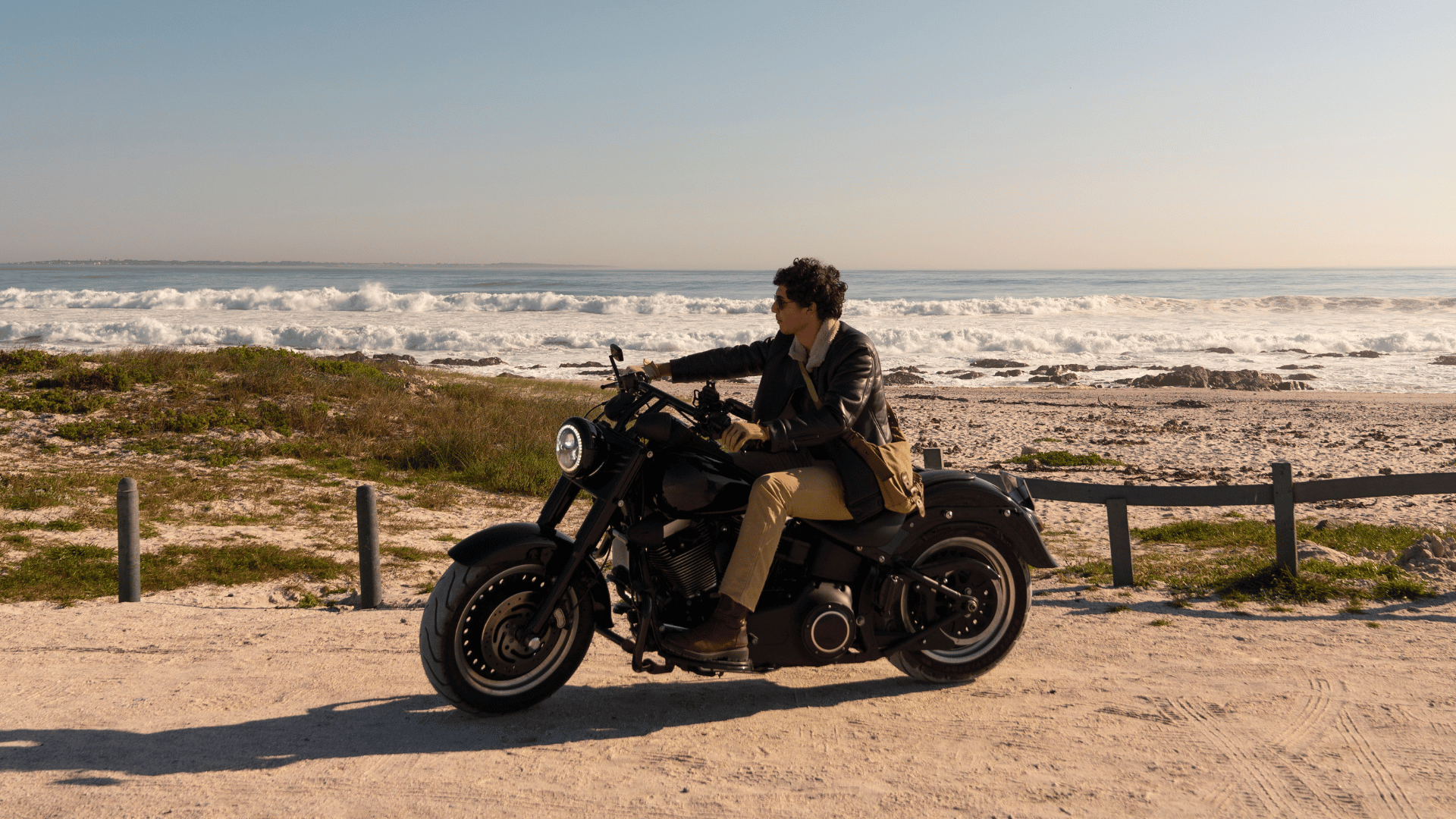
The Texas Gulf Coast offers a riding environment unlike anything inland Texas provides. Long stretches of open coastal highway, warm temperatures for most of the year, and the distinctive atmosphere of barrier islands and coastal towns make this one of the most accessible and enjoyable riding regions in the state. Corpus Christi, Port Aransas, Galveston, and the roads of Padre Island draw riders who appreciate flat, fast roads with ocean views at every turn.
What the coast gives with one hand, it takes back with the other. Salt air is genuinely corrosive in a way that riders from inland areas may not fully appreciate until they see what a season of coastal riding does to an unprotected motorcycle. The maintenance approach that works perfectly in Dallas or San Antonio needs to be adjusted for a machine that spends regular time near the Gulf. This guide covers how salt air affects your motorcycle and which OEM components require the most attention in a coastal riding environment.
How Salt Air Damages Motorcycle Components
Salt in the air doesn't need direct contact with seawater to cause damage. Airborne salt particles deposit on metal surfaces during every ride and every period of outdoor storage. When combined with humidity, which is consistently high along the Texas coast, this creates an electrochemical environment that accelerates corrosion far beyond what dry inland air produces.
The process affects different materials differently. Bare steel is the most vulnerable, developing surface rust quickly when salt deposits are not regularly removed. Aluminum oxidizes more slowly but develops a white, pitting corrosion when chronically exposed. Copper and brass electrical connectors develop green oxide that increases electrical resistance. Rubber components are not corroded by salt directly, but the combination of UV exposure, heat, and salt spray accelerates surface degradation and cracking.
What this means practically is that a coastal rider needs shorter inspection intervals, more frequent lubrication, and prompt attention to any surface corrosion before it penetrates to base metal or reaches critical components. Genuine OEM replacement parts, when they become necessary, restore the correct material specifications and tolerances that aftermarket components may not always match.
Texas Gulf Coast Riding Highlights
The Texas coast offers several distinct riding destinations worth building a route around.
Padre Island and Port Aransas are accessible via the JFK Causeway from Corpus Christi. The run down North Padre Island offers long straight coastal highway with Gulf views, with Port Aransas serving as a natural stopping point with a welcoming small-town character.
Corpus Christi serves as a natural hub for coastal riding, with routes radiating north toward Rockport and south toward Brownsville. Galveston Island, accessible from Houston via I-45, offers the Seawall Boulevard run along the Gulf-facing coast, with connections to inland Brazoria County roads for varied terrain. Rockport and Aransas Pass north of Corpus Christi provide quieter coastal roads away from the heavier Galveston corridor traffic.
OEM Components Most Affected by Coastal Conditions
Chain and Sprockets
The drive chain is among the most exposed components on a motorcycle and the one coastal conditions affect most visibly and rapidly. Salt deposits penetrate O-ring seals at an accelerated rate compared to inland conditions, compromising the internal grease retention that gives sealed chains their service life advantage. Inspect chain condition more frequently than the standard interval, lubricate after every coastal ride and after any rain exposure, and measure stretch regularly. When replacement is needed, Suzuki motorcycle OEM chains, Yamaha motorcycle OEM chains, and equivalent components for Honda and Kawasaki are available through Carolina Cycle's online catalog.
Brake System
Brake caliper hardware, including slide pins, pad retaining hardware, and caliper bolts, is subject to accelerated corrosion in coastal environments. Seized caliper slide pins are a common result of neglected coastal maintenance and cause uneven pad wear, reduced braking efficiency, and eventually brake drag. Inspect and clean caliper hardware at shortened intervals, and replace any hardware showing significant corrosion with OEM-spec components. Brake rotor surfaces develop surface rust quickly in humid coastal air. Light surface rust on a rotor that has sat overnight is normal and clears within the first stops of a ride. Heavy pitting or rust that persists after normal riding warrants rotor inspection.
Electrical System
Electrical connectors are particularly vulnerable in coastal environments. Salt deposits combined with humidity create conductive pathways that cause voltage drops, intermittent faults, and accelerated oxidation at connector faces. Inspect accessible connectors, particularly in the lighting circuits and at the battery terminals, for green or white oxidation. Dielectric grease applied to connector faces during reassembly displaces moisture and slows future oxidation. OEM wiring harness sections that have developed significant corrosion should be replaced rather than repaired with tape, as moisture continues to wick under tape wrapping in high-humidity environments.
Fasteners and Frame Hardware
Salt accelerates galvanic corrosion at dissimilar metal joints, which are common where steel fasteners thread into aluminum engine cases or frame brackets. Inspect fasteners on the engine, footpegs, exhaust brackets, and frame junctions for surface rust and thread condition. Addressing surface corrosion early, before it reaches thread depth, prevents the stripped or seized fasteners that turn a routine service into a significant repair.
Cooling System Hoses and Clamps
Hose clamps are a frequently overlooked casualty of coastal conditions. Steel hose clamps develop rust that eventually compromises clamp integrity, leading to coolant weeping at connection points. Inspect clamp condition at each service and replace any clamps showing significant corrosion with OEM-spec hardware. Inspect coolant hose condition at the clamp ends where clamp rust deposits can accelerate rubber deterioration.
Maintenance Habits for Coastal Riders
A few consistent habits make an outsized difference in how a motorcycle holds up in a coastal environment.
After every coastal ride, rinse the motorcycle with fresh water and allow it to dry completely before storage. Pay particular attention to the underside of the frame, the swingarm, and the area around the exhaust. Fresh water rinse removes salt deposits before they begin their corrosive work.
Lubricate the chain after every coastal ride and inspect all exposed pivot points more frequently than the owner's manual interval suggests for non-coastal conditions. Store the motorcycle in a garage or under a breathable cover whenever possible; overnight coastal air exposure deposits salt continuously, even without rain. Shorten your overall inspection intervals across the board. Items your owner's manual recommends checking annually may benefit from twice-yearly inspection on a machine that lives near the Gulf.
Frequently Asked Questions
How often should I lubricate my motorcycle chain if I ride near the Texas coast?
Lubricate after every coastal ride rather than at standard mileage intervals. If you ride in rain or through standing water near the coast, lubricate once the chain has dried. Salt water is particularly aggressive at displacing O-ring seal lubrication, making the standard 300 to 600 mile interval too conservative for regular coastal riding.
Does salt air affect all motorcycle metals equally?
No. Steel is most vulnerable to red rust. Aluminum develops white, powdery oxidation that progresses more slowly but continues without treatment. Copper and brass electrical components develop green oxidation that increases resistance. Chrome provides good protection until any chip allows salt to reach the base metal beneath. Regular rinsing and inspection across all material types is the most effective approach.
Can I store a motorcycle outdoors near the Gulf Coast without special precautions?
Outdoor coastal storage significantly accelerates corrosion. If indoor storage is unavailable, a breathable waterproof cover is essential, and the motorcycle should be rinsed and dried before covering. A light coat of corrosion inhibitor spray on bare metal surfaces and electrical connectors adds protection during storage.
Are OEM parts more resistant to coastal corrosion than aftermarket alternatives?
OEM parts are manufactured to the material and surface finish specifications the manufacturer determined for each component, including plating thickness on fasteners, seal material on caliper hardware, and wiring connector alloys. Budget aftermarket components may use thinner plating or lower-grade materials, all of which perform worse in a high-humidity, salt-air environment.
How do I know if my brake calipers have seized slide pins?
The clearest indicator is uneven brake pad wear: if the inboard pad is significantly more worn than the outboard pad on the same caliper, the slide pins are likely not floating correctly. You may also feel slight brake drag when pushing the motorcycle by hand. Seized slide pins on a coastal machine are straightforward to address with proper caliper disassembly, cleaning, and OEM-spec hardware replacement.
Protect Your Ride on the Texas Coast
Coastal riding is some of the most enjoyable motorcycle riding in Texas, and a consistent maintenance approach keeps your machine in the condition to enjoy it for the long term. Genuine OEM parts for Honda, Kawasaki, Suzuki, and Yamaha motorcycles restore the correct specifications that your bike needs in any environment, coastal or otherwise.
Browse Honda motorcycle OEM parts or Suzuki motorcycle OEM parts to find what your machine needs, or contact the Carolina Cycle support team for guidance on coastal maintenance priorities for your specific model.
