


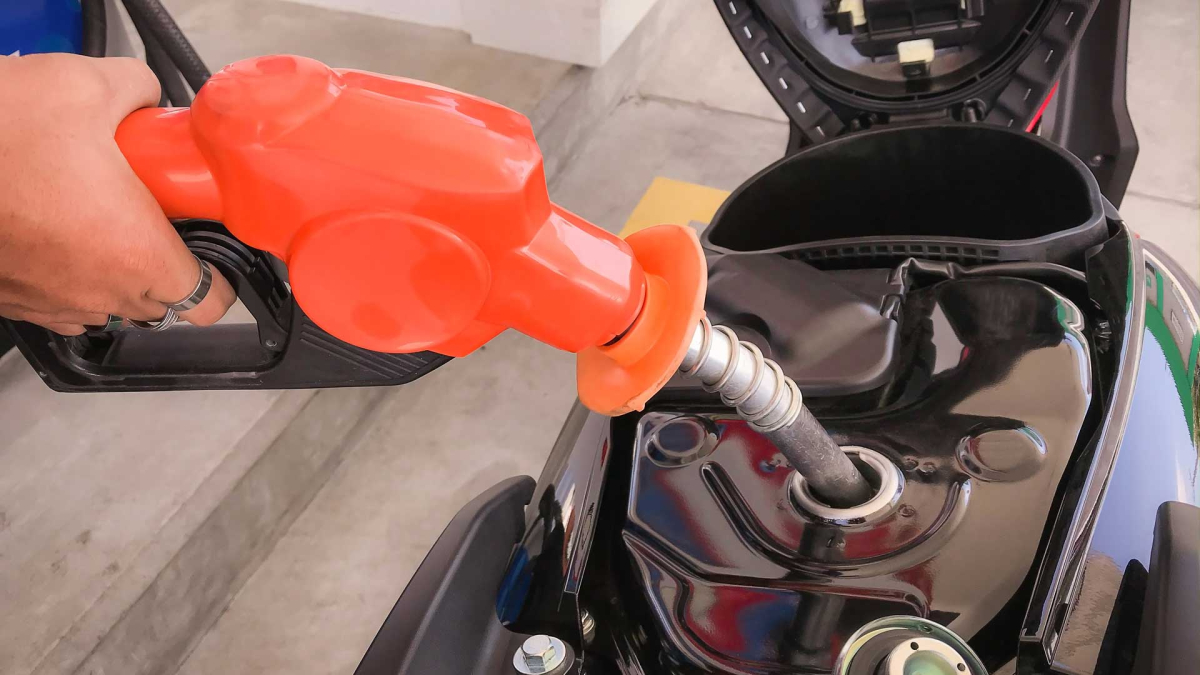
Fuel system problems are the most common cause of post-storage running issues across all categories of powersports vehicles. A motorcycle or ATV that ran perfectly before winter storage and now won't start cleanly, stumbles at partial throttle, or surges at idle almost always has the answer somewhere in the fuel system. The good news is that fuel system issues are among the most predictable and preventable maintenance problems in powersports ownership, and addressing them systematically with genuine OEM components produces reliable, lasting results.
This guide covers what fuel degradation actually does to each part of the fuel system, how to approach cleaning versus replacement decisions for carbureted and fuel-injected designs, and which OEM components from Honda, Kawasaki, Suzuki, and Yamaha keep the fuel system delivering the correct mixture reliably.
What Happens to Fuel During Storage
Understanding fuel degradation helps explain why certain parts of the system are more affected than others.
Modern pump gasoline, particularly ethanol-blended fuel, begins to degrade within 30 days in an unsealed or vented fuel system. The degradation process involves two overlapping mechanisms. First, lighter volatile compounds evaporate, leaving a heavier residue that becomes progressively more viscous and eventually forms the gummy, varnish-like deposits that restrict fuel passages. Second, ethanol in the fuel absorbs atmospheric moisture, which can separate from the fuel mixture and settle at the bottom of the tank or float bowl as a water-ethanol layer.
The consequences of this process vary by component:
- In a carburetor: Varnish deposits accumulate in the float bowl, pilot jet, main jet, and needle jet. The pilot circuit is particularly vulnerable because its passages are small-diameter and any restriction affects idle and low-throttle operation directly.
- In a fuel injection system: Deposits form on injector pintle tips, partially blocking the spray pattern. The fuel filter traps degraded fuel particles, accumulating restriction over time.
- In fuel lines: Ethanol causes rubber to swell and soften. Lines that have been saturated with ethanol-blended fuel over multiple seasons harden and crack as the fuel ages and the rubber loses plasticizer.
- In the petcock or fuel shutoff: The diaphragm in a vacuum-operated petcock is a rubber component subject to the same ethanol-related degradation as fuel lines, and it is a common source of fuel delivery failure on older carbureted machines.
Fuel System Components by Type
Carbureted Systems
A carburetor with varnish deposits needs to be evaluated for whether cleaning will restore full function or whether OEM component replacement is correct.
Cleaning is appropriate when:
Deposits are in the float bowl and accessible passages, jets show light varnish that dissolves in carburetor cleaner, and the needle valve seat is undamaged.
OEM component replacement is appropriate when:
The pilot jet is blocked beyond what cleaning restores — a blocked pilot jet cannot be drilled out to spec and should be replaced with an OEM jet of the correct size. The needle valve seat shows wear that prevents a complete fuel shutoff. The float has developed a pinhole and sinks rather than floating.
Disassemble the carburetor completely for any post-storage cleaning. Spraying cleaner into a mounted carb clears accessible passages but doesn't address deposits in blind passages or around the needle valve seat. Remove the float bowl, float, needle valve, jets, and emulsion tube, soak all metal components in carburetor cleaner, and use compressed air to confirm all passages are clear.
Fuel-Injected Systems
Fuel-injected powersports vehicles are less vulnerable to carburetor-style varnish buildup because the injectors are closed when not firing and the fuel system remains pressurized after shutdown, limiting evaporation. However, the OEM fuel filter is the critical maintenance item for a fuel-injected machine returning from storage.
The fuel filter traps particles from degraded fuel and from any rust or sediment that has developed in the tank during storage. A filter that is partially restricted reduces fuel pressure at the injector rail, which produces lean running symptoms particularly at higher throttle positions where fuel demand is greatest. OEM fuel filters for Honda, Kawasaki, Suzuki, and Yamaha fuel-injected models are engineered to the correct flow rate and particle retention specification for each fuel system.
Injector cleaning for fuel-injected machines is warranted when a machine ran fine before storage but now shows lean stumble at mid-throttle after a fresh fuel filter has been installed and fuel quality confirmed. Professional injector cleaning equipment provides more thorough results than fuel additive treatments for injectors with significant deposit buildup.
Fuel Lines and Petcock
OEM fuel lines are manufactured to the correct inner diameter, wall thickness, pressure rating, and ethanol-compatibility specification for each application. Inspect lines for surface cracking, hardening, or softening along their full length. Lines that feel stiff and crack when flexed, or feel unusually soft and spongy, warrant OEM replacement.
The vacuum-operated petcock diaphragm on carbureted machines deserves specific attention. A diaphragm with a pinhole passes fuel continuously regardless of engine state, flooding the carb float bowl and causing rich running or raw fuel in the oil. Inspecting and replacing the petcock diaphragm with an OEM component is a low-cost service that prevents a significant downstream problem.
Steel tanks on older machines are susceptible to internal rust when stored with low fuel levels. Inspect through the filler neck with a flashlight. Light surface rust can be addressed with tank liner products; significant pitting or loose scale indicates a tank that will continue to shed particles into the fuel system. Plastic tanks can develop a varnish coating from degraded fuel that typically clears with a thorough rinse of fresh fuel.
Cleaning vs. Replacing: When Each Is the Right Call
The guiding principle is straightforward: cleaning restores function when the component's base material and dimensions are intact. Replacement is correct when the component has worn, corroded, or degraded beyond what cleaning can address. For carburetors, jets, needle valve seats, and diaphragms fall into the replacement category when they show wear or damage. Passages, bowls, and bodies fall into the cleaning category when the base material is intact. For fuel lines and petcock diaphragms, time and fuel contact accumulate degradation that cleaning cannot reverse.
OEM Fuel Component Guidance by Brand
Genuine OEM fuel system components for all four major brands are available through Carolina Cycle:
- Honda: Honda motorcycle OEM parts and Honda ATV OEM parts
- Kawasaki: Kawasaki motorcycle OEM parts and Kawasaki ATV OEM parts
- Suzuki: Suzuki motorcycle OEM parts and Suzuki ATV OEM parts
- Yamaha: Yamaha motorcycle OEM parts and Yamaha ATV OEM parts
Preventing Fuel System Problems During Storage
The most effective fuel system maintenance is the kind that prevents problems rather than corrects them. Three practices make a meaningful difference:
- Use a high-quality fuel stabilizer in any machine that will sit for more than 30 days. Add stabilizer to a full tank and run the engine for several minutes to circulate the treated fuel through the carb or injector system.
- On carbureted machines, drain the float bowl before extended storage. A drained float bowl cannot accumulate varnish deposits regardless of how long the machine sits.
- On fuel-injected machines, store with a full tank to minimize the air headspace available for moisture condensation. Stabilizer is still recommended to address the ethanol degradation mechanism.
Frequently Asked Questions
How do I know if my carburetor needs cleaning or replacing?
If the machine ran correctly before storage and now runs poorly only at idle or partial throttle, a thorough carb cleaning is the appropriate first step. If cleaning restores full function, no component replacement is needed. If the machine continues to stumble or run rich after a complete cleaning with confirmed clear passages, component inspection for worn jets, needle valve seat, or float condition is the next step.
Can I clean fuel injectors myself?
Light injector deposits can be reduced by running a quality fuel system cleaner through a full tank of fresh fuel. For injectors with significant deposit buildup that is affecting spray pattern, professional ultrasonic cleaning provides more thorough results. Home injector cleaning kits that pressurize the rail with cleaner solution are also available, though results vary by deposit severity.
What does a failing petcock diaphragm feel like?
The most common symptom is a rich-running or flooding condition: raw fuel smell, black sooty spark plug, oil that smells of fuel, or fuel visibly dripping from the carb overflow. On machines with a reserve position, a petcock that flows fuel in the off position while the engine is not running indicates a diaphragm failure. Inspecting the petcock diaphragm is a quick service that should be part of any post-storage carb service on older machines.
How long can ethanol-blended fuel sit before causing problems?
Degradation begins within 30 days in a vented system at room temperature. In a sealed, cool environment with stabilizer, degradation is meaningfully slowed but not eliminated. The practical guidance is: any fuel that has sat untreated for 60 days or more in a carbureted machine warrants draining before attempting to start. For fuel-injected machines, the same fuel may not cause immediate starting problems but can leave deposits that accumulate over multiple storage cycles.
Restore Your Fuel System This Season
A systematic fuel system service with genuine OEM components addresses the root causes of post-storage running problems rather than masking symptoms. Carolina Cycle carries genuine OEM fuel system components for Honda, Kawasaki, Suzuki, and Yamaha across motorcycles, ATVs, and side-by-sides.
Browse the catalog for your brand or contact our OEM parts support team for help identifying the right components for your specific model.
