


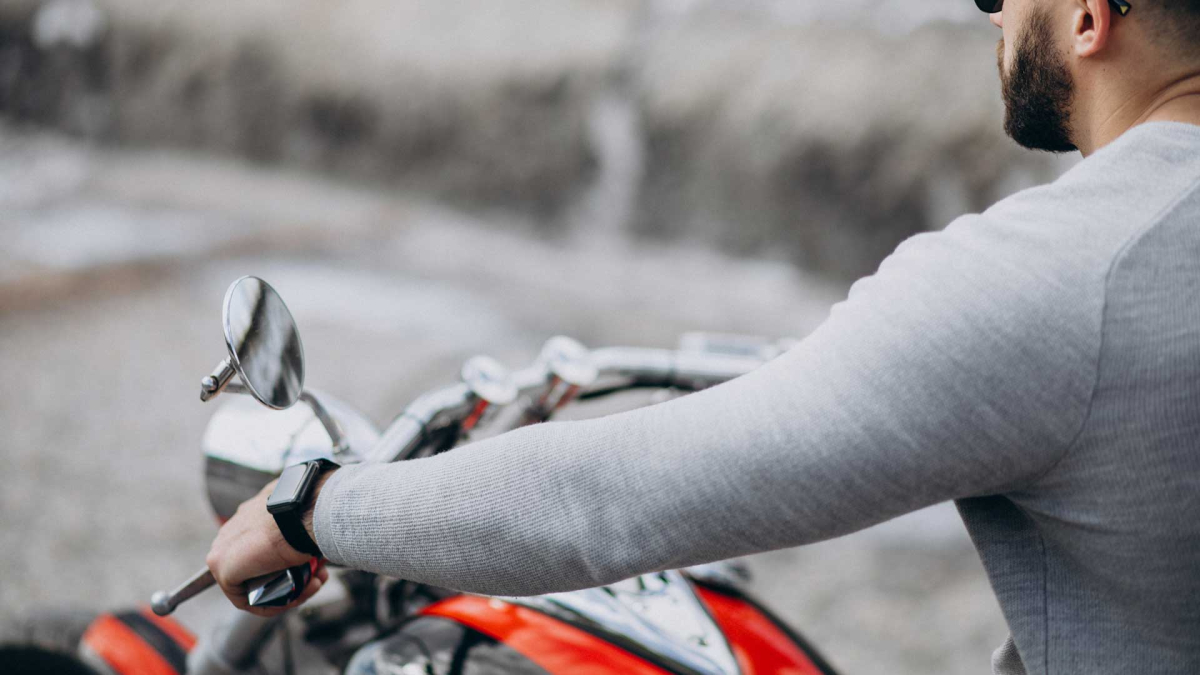
Of all the mechanical failures that can end a ride, overheating is one of the most preventable. A motorcycle's cooling system doesn't fail suddenly without warning. It degrades gradually through neglected coolant, a thermostat that's losing its calibration, hoses that have softened near the clamps, or a radiator cap that no longer holds correct system pressure. Each of those conditions has a service solution, and spring is the right time to address them before summer heat arrives and puts the system under its highest annual demands.
Cooling system maintenance doesn't get the same attention as oil changes or brake service, partly because it happens less frequently and partly because the consequences of neglect aren't always visible until they become serious. This guide covers how your motorcycle's cooling system works, which OEM components require attention, and how to approach service so your machine handles summer riding without issue across Honda, Kawasaki, Suzuki, and Yamaha models.
Quick Summary
- Motorcycle cooling systems use one of three designs: liquid-cooled, air-cooled, or oil-cooled
- Liquid-cooled systems require the most active maintenance, including coolant changes, thermostat inspection, hose condition checks, and water pump monitoring
- OEM coolant is formulated for aluminum engine compatibility and should not be mixed with automotive or non-spec alternatives
- Warning signs of cooling system problems include temperature gauge changes, coolant loss, steam, and overheating under specific load conditions
- Spring is the optimal time to service the cooling system before summer heat places it under peak demand
How Motorcycle Cooling Systems Work
A liquid-cooled motorcycle engine produces enormous heat during combustion, far more than the metal of the engine can safely absorb without a mechanism to carry that heat away. The cooling system's job is to move that heat from the engine to the outside air efficiently enough to maintain a stable operating temperature across all riding conditions.
The cycle works as follows: coolant is drawn from the radiator by the water pump and circulated through passages cast into the engine block and cylinder head. As it flows through these passages, coolant absorbs heat from the metal surfaces. It then exits the engine and returns to the radiator, where airflow through the radiator fins transfers that heat into the surrounding air. The cooled coolant then circulates back through the engine and the cycle repeats continuously.
The thermostat regulates this cycle by controlling when coolant flows to the radiator. When the engine is cold, the thermostat stays closed, allowing the engine to reach operating temperature quickly. Once the coolant reaches the thermostat's designed opening temperature, the thermostat opens and full circulation to the radiator begins. This design means the engine spends as little time as possible below operating temperature, which reduces wear and emissions during warmup.
The radiator cap maintains the system under pressure, which raises the boiling point of the coolant above what it would be at atmospheric pressure. A system operating at 13 to 16 psi can sustain coolant temperatures significantly above 212 degrees Fahrenheit without boiling, which is essential for the thermal margins required by modern engines under sustained load.
Air-Cooled vs. Liquid-Cooled vs. Oil-Cooled: What Your Bike Has and Why It Matters
The cooling design your motorcycle uses determines which maintenance tasks apply to your machine.
1. Air-cooled engines
Air-cooled engines rely entirely on airflow over finned cylinder and head surfaces to dissipate heat. This is the simplest design, with no coolant, water pump, thermostat, or radiator to maintain. Air-cooled designs are common on smaller-displacement Honda, Kawasaki, Suzuki, and Yamaha motorcycles, as well as many classic and vintage models. The maintenance implication is straightforward: keep the cooling fins clean and unobstructed, and ensure engine oil is changed at the correct interval since oil carries a portion of the thermal load in an air-cooled engine.
2. Liquid-cooled engines
Liquid-cooled engines use the full closed-loop system described above and are standard on most mid-size and larger displacement motorcycles across all four brands. Liquid cooling allows more precise temperature management, supports higher power outputs, and reduces heat felt by the rider. It also requires the most active maintenance of the three designs: coolant changes, thermostat inspection, hose and clamp service, water pump monitoring, and radiator cap testing.
3. Oil-cooled engines
Oil-cooled engines supplement air cooling with an oil cooler, a small heat exchanger through which engine oil passes to shed heat before returning to the engine. This design is common on several Suzuki models and some Kawasaki designs. Maintenance for an oil-cooled system centers on correct oil specification and change intervals, oil cooler line condition, and keeping the oil cooler core clean and unobstructed.
The OEM Components That Keep Your Cooling System Healthy
Coolant
OEM coolant formulation is not interchangeable with generic automotive antifreeze. Modern motorcycle engines use aluminum extensively in cylinder heads, engine cases, and water pump housings. OEM coolant carries the correct inhibitor package to prevent the electrochemical reaction between aluminum and coolant that causes internal corrosion and eventually compromises the water pump impeller and internal passages.
Most manufacturers specify a premixed OEM coolant to eliminate the risk of incorrect dilution. Mixing coolant types, for example using a phosphate-based automotive coolant in a system designed for a phosphate-free OEM formulation, can cause inhibitor dropout that forms deposits in the system. Change intervals vary by manufacturer but are typically every two years regardless of mileage, as inhibitor effectiveness degrades over time even in a clean system.
Thermostat
A thermostat that is functioning correctly opens at a precise temperature specified by the manufacturer for that engine's design. OEM thermostats are calibrated to that specification; aftermarket alternatives may open at a different temperature, causing the engine to run outside its designed thermal window.
Thermostat failure occurs in two directions. A thermostat stuck in the closed position prevents coolant from reaching the radiator, causing the engine to overheat rapidly under load. A thermostat stuck open allows coolant to circulate to the radiator at all times, preventing the engine from reaching operating temperature. The latter is subtler and easier to miss: the engine runs consistently cool, which affects combustion efficiency, accelerates cylinder wear during the extended cold-running period, and can trigger rich running on fuel-injected models as the ECU compensates for the temperature signal.
Water Pump
The water pump circulates coolant through the system and is driven either mechanically off the engine or, on some models, electrically. Wear in the pump's impeller reduces flow rate, gradually degrading cooling efficiency without a dramatic failure event. The pump's mechanical seal separates the coolant circuit from the engine oil and bearing side of the pump. When this seal fails, coolant and oil mix, which damages both the lubrication system and the cooling system simultaneously.
Most water pump designs include a weep hole: a small opening that allows coolant to drip visibly when the seal begins to fail, providing advance warning before internal mixing occurs. A small coolant stain or mineral deposit near the weep hole is the earliest indicator that pump seal replacement is approaching.
Radiator Hoses
Radiator hoses flex and seal at both the engine and radiator connections on every ride. Over time, the rubber compounds used in hose construction harden, losing the flexibility that allows them to seal correctly under pressure cycling. Deterioration appears first at the clamp ends, where the hose is compressed and where heat and coolant contact are most concentrated.
Inspect hoses by squeezing them along their length. A healthy hose feels firm but pliable. A hose that feels stiff or brittle, or that shows surface cracking, is overdue for replacement. OEM hoses are manufactured to the correct length, inner diameter, and bend radius for each specific routing on your model, eliminating the fitting compromises that come with universal replacement hoses.
Radiator Cap
The radiator cap is the pressure regulator for the entire cooling system. Its spring-loaded seal maintains the system at the design pressure, typically stamped on the cap itself. A cap that has lost its spring tension allows system pressure to drop below design specification, lowering the coolant's effective boiling point and increasing the risk of localized boiling at hot spots within the engine.
Testing a radiator cap requires a pressure tester with the correct adaptor for your cap style. Caps that don't hold rated pressure are inexpensive to replace and have an outsized effect on system performance. OEM caps are rated to the exact pressure specification for your cooling system.
Warning Signs Your Cooling System Needs Attention
A rising temperature gauge is the most obvious indicator, but cooling system problems often give subtler signals before reaching that point.
Coolant loss without a visible external leak
This is a significant warning sign. If the reservoir level drops over time without any puddle beneath the bike, coolant is going somewhere: either through a head gasket leak into the combustion chamber, which may present as white exhaust smoke and a sweet smell from the exhaust, or through a seeping hose or pump seal that evaporates before accumulating.
Overheating under specific conditions
This points to specific causes. Overheating at low speed or in traffic while temperatures stay normal at highway speed suggests a cooling fan failure or a thermostat opening too late. Overheating under sustained hard riding but normal at idle suggests insufficient coolant flow from a degraded water pump impeller.
Steam or a sweet chemical smell
This smell, stemming from the engine area during or after riding, indicates coolant reaching hot surfaces and warrants immediate investigation rather than continuing to ride.
If the temperature gauge climbs toward the red on the road, the safest response is to reduce speed or pull over and allow the engine to idle. Idling allows the water pump and fan to continue cooling the engine before shutdown, rather than trapping heat in a suddenly static system.
Cooling System Service: Step by Step
A cooling system flush and refill is a manageable DIY service with basic tools and a service manual for your specific model.
Allow the engine to cool completely before opening any part of the cooling system. Pressurized hot coolant is a genuine burn hazard. Place a drain pan beneath the engine and locate the drain bolt or lower hose connection specified in the service manual. Drain the system completely; if significant discoloration is present, a flush with distilled water before refilling removes residual contamination.
Refill with OEM-spec coolant to the level specified in the service manual. Run the engine with the filler cap loose until the thermostat opens and the temperature gauge reaches normal operating range, which purges air from the system. Top up to the correct level, reinstall caps, and check for leaks at all hose connections after the first ride.
Water pump replacement and head gasket service involve partial engine disassembly and are more appropriately handled by a professional or a rider with significant mechanical experience on the specific model.
Summer Riding and Your Cooling System
Summer conditions stress liquid-cooled systems in ways that are worth understanding before heading out in high temperatures.
Low-speed riding and stop-and-go traffic reduce airflow through the radiator to near zero, shifting the cooling burden entirely to the electric fan on models so equipped. A fan that has developed a weak motor or corroded connections will allow temperatures to climb in traffic faster than it should. Confirming fan function before summer riding season is a five-minute check: allow the engine to warm to operating temperature at idle and confirm the fan cycles on.
High ambient temperatures reduce the temperature differential between the coolant and the surrounding air, which is what drives heat transfer at the radiator. A cooling system operating at its design limits in moderate weather has less thermal margin on a 95-degree day. This is the practical reason that coolant condition, hose integrity, and correct system pressure all matter more in summer than any other season.
Avoid coolant additives that are not specified by the manufacturer. Products marketed as cooling system enhancers or water pump lubricants may conflict with the inhibitor package in OEM coolant, causing deposit formation or accelerated seal wear.
For Honda, Kawasaki, Suzuki, and Yamaha motorcycle cooling system components, browse the relevant OEM parts catalog: Honda motorcycle OEM parts, Kawasaki motorcycle OEM parts, Suzuki motorcycle OEM parts, and Yamaha motorcycle OEM parts. If you need help identifying the correct thermostat, hoses, or water pump components for your specific model, our OEM parts support team can assist.
Frequently Asked Questions
How often should motorcycle coolant be changed?
Most manufacturers specify a coolant change every two years regardless of mileage. Coolant's inhibitor package degrades over time, reducing its ability to prevent internal corrosion even when the fluid looks clean. Your owner's manual is the authoritative source for your model's specific schedule.
Can I use automotive coolant in my motorcycle?
Not without confirming compatibility with your model's requirements. Many automotive coolants use phosphate-based inhibitor packages that are incompatible with aluminum components in motorcycle engines and can cause deposit formation or accelerated corrosion. OEM motorcycle coolant is formulated specifically for aluminum compatibility, eliminating the compatibility uncertainty entirely.
What does a stuck-open thermostat feel like to ride?
The motorcycle will take longer than normal to reach operating temperature and may never fully reach the specified reading on the gauge. On fuel-injected models, the ECU uses coolant temperature to manage fueling, so chronically cool running can cause slightly rich fueling and reduced efficiency. The engine may feel less responsive until it has been running for an extended period.
How do I know if my water pump is failing?
Early indicators include a small coolant stain or mineral deposit beneath the weep hole on the pump body, indicating the internal seal is beginning to pass coolant. As the seal degrades further, visible coolant dripping from the weep hole during operation becomes apparent. Gradual increases in operating temperature under sustained load, without other obvious cause, can also indicate reduced impeller flow rate.
What is the correct coolant mix ratio for my motorcycle?
Most manufacturers specify a 50/50 mix of coolant concentrate and distilled water. This ratio provides freeze protection to approximately minus 34 degrees Fahrenheit and raises the boiling point above what either coolant or water alone provides. Some OEM coolants are supplied pre-mixed. Avoid tap water, which contains minerals that deposit in the system over time.
Is cooling system service something I can do at home?
A coolant flush and refill is a straightforward DIY service with basic tools and a service manual. Thermostat replacement requires partial disassembly on most models but is within reach for experienced home mechanics. Water pump replacement involves more significant disassembly and is more appropriately handled professionally on models where the pump is deeply integrated into the engine.
Prepare Your Cooling System Before the Heat Arrives
Spring service is the right time to give your motorcycle's cooling system the attention it needs before summer riding places it under its highest annual demands. Genuine OEM coolant, thermostats, hoses, and water pump components restore your machine to the factory specifications it was designed to operate within.
Carolina Cycle has carried genuine OEM parts for Honda, Kawasaki, Suzuki, and Yamaha since 1970. Browse the parts catalog for your brand or contact our support team for guidance on cooling system service for your specific model.
