


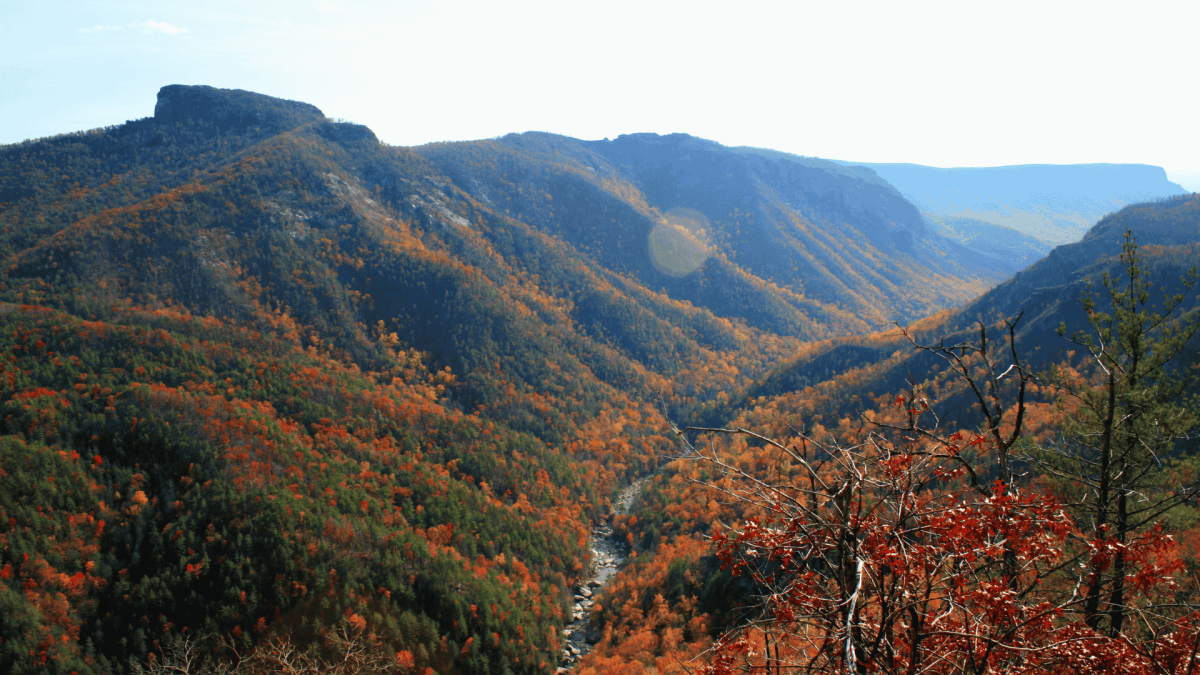
The Southeast comes alive for riders in the fall. As the mountains turn color and the summer heat fades, the region's winding roads and technical terrain offer some of the finest riding of the year. Based in Waynesville, North Carolina, in the heart of the Blue Ridge, Carolina Cycle has helped riders prepare for these mountains since 1970, and we know what the region's demanding roads ask of a machine.
This page covers what makes Southeast fall riding special, the technical terrain the region is known for, how to prepare your machine for it, and a few of the destinations worth the trip. The riding here is spectacular, and it rewards riders who come prepared for the challenge.
What Makes Southeast Fall Riding Special
Fall in the Southeast brings together everything a rider wants. The oppressive summer heat gives way to cool, comfortable temperatures, the mountains put on a spectacular color display, and the roads that wind through them become a genuine pleasure to ride. It's a combination that draws riders from across the country every autumn.
The region's appeal is also its challenge. These aren't gentle country roads, but technical mountain routes with steep grades, tight switchbacks, and constant elevation change. That's exactly what makes them rewarding, and it's also why they demand a well-prepared machine and an attentive rider. The riders who prepare for the terrain enjoy it most.
The Region's Technical Terrain
Southeast mountain roads are known for their technical character. Long climbs and descents, tight corners that come one after another, and elevation changes that work every system on your machine define the experience. The famous routes of the Blue Ridge and the surrounding mountains earn their reputations for good reason.
This terrain asks more of your machine than ordinary riding. Your brakes work hard on sustained descents, your engine and cooling system labor on long climbs, and your tires handle constant direction changes on surfaces that vary with elevation and shade. Understanding these demands is the first step to preparing for them properly.
Preparing for Technical Mountain Roads
Getting your machine ready for technical terrain focuses on the systems the mountains stress most. A thorough check of each before a trip is time well spent.
Braking on Long Descents
Sustained mountain descents ask your brakes to control speed continuously, which generates heat. Worn pads or brake fluid that has absorbed moisture can fade under that load, so fresh pads and good fluid are essential mountain preparation. Dependable brakes are what let you enjoy the descents with confidence.
Tires and Traction
Technical roads demand grip through constant cornering, and fall adds cool temperatures and variable surfaces to the mix. Tires in good condition at the correct pressure give you the traction and confidence these roads require. Check tread and pressures before a trip, and remember that cold rubber needs time to warm up.
Cooling on Climbs
Long climbs keep your engine under sustained load, generating heat with less airflow variation than rolling terrain. A cooling system in top condition handles this without complaint, while a marginal one can struggle halfway up a grade. Confirm your coolant is fresh and your fan works before tackling the mountains.
You can find genuine parts for these systems in our Honda motorcycle parts catalog and Kawasaki motorcycle parts catalog, and our team can help you match the right component to your model.
Fall Riding Destinations in the Southeast
The region is rich with destinations. The Blue Ridge Parkway offers mile after mile of scenic ridgetop riding, while the mountain roads around Western North Carolina and the surrounding states deliver the technical routes that riders travel far to experience. Peak color moves through the elevations over several weeks, so there's a window of spectacular riding throughout the season.
Waynesville makes an ideal base for exploring the area, sitting right in the heart of the mountains. If you're passing through or planning a trip, our sister company Waynesville Cycle is another local resource worth knowing. Planning your route around the color and the roads, with a comfortable base to return to, is the recipe for a memorable fall riding trip.
Riding Fall Mountain Conditions
Mountain roads in autumn call for extra awareness. Fallen leaves collect in corners and become slick when wet, hiding the surface and reducing traction just where you're leaning into a turn. Morning frost can linger in shaded mountain sections and on bridges long after the valleys have warmed, and fog can settle quickly at elevation.
Ride with these conditions in mind. Give cold tires time to warm up, treat leaf-covered and shaded corners with caution, and be ready for the light and temperature to change as you climb and descend. The technical nature of these roads leaves little margin for surprises, so an attentive, prepared approach is what keeps the riding as safe as it is spectacular.
Choosing the Right Parts
Start with your exact model and year so any replacement component fits and performs as designed, then prioritize the systems technical terrain stresses most. Brakes, cooling, and tires lead the list for mountain riding, since those are the systems working hardest on the grades and in the corners. Building from your machine's actual needs gets you the right parts the first time.
Genuine components meet the specifications your machine was built around, which matters most when the terrain is demanding. When you're preparing for a Southeast fall trip and aren't sure what to check, tell us your model and where you're headed, and we'll help you get ready with confidence.
Frequently Asked Questions
What makes Southeast mountain roads technical?
Steep grades, tight switchbacks, and constant elevation change define the region's roads. They work your brakes, engine, cooling, and tires far harder than ordinary riding, which is both the challenge and the reward.
How should I prepare my brakes for mountain riding?
Make sure your pads have plenty of material and your brake fluid is fresh, since long descents generate heat that can fade a tired system. Dependable brakes are essential preparation for technical terrain.
When is peak fall color in the Southeast?
It varies by elevation and moves over several weeks, with higher elevations turning first. That range means there's a window of spectacular riding throughout the season if you plan your route accordingly.
Are fall mountain roads dangerous?
They demand respect and awareness. Wet leaves, morning frost in shaded spots, and fog at elevation all reduce traction and visibility, so a prepared machine and an attentive, cautious approach keep the riding safe.
Can Carolina Cycle help me prepare for a mountain trip?
Absolutely. We're based in Waynesville, right in the mountains, and we ship genuine parts nationwide. Tell us your model and your plans and we'll help you get your machine ready for the terrain.
Come Ride the Mountains This Fall
Southeast fall riding is a bucket-list experience, and preparation is what lets you enjoy it fully. Ready your brakes, cooling, and tires for the technical terrain, plan your route around the color and the roads, and ride the mountain conditions with awareness. Do that, and you'll experience some of the best riding the region has to offer.
When you're getting ready for a fall trip to the mountains, contact our team through our OEM parts support page. We've called these mountains home since 1970, and we'll make sure your machine is ready for the climbs, the corners, and the color.
