


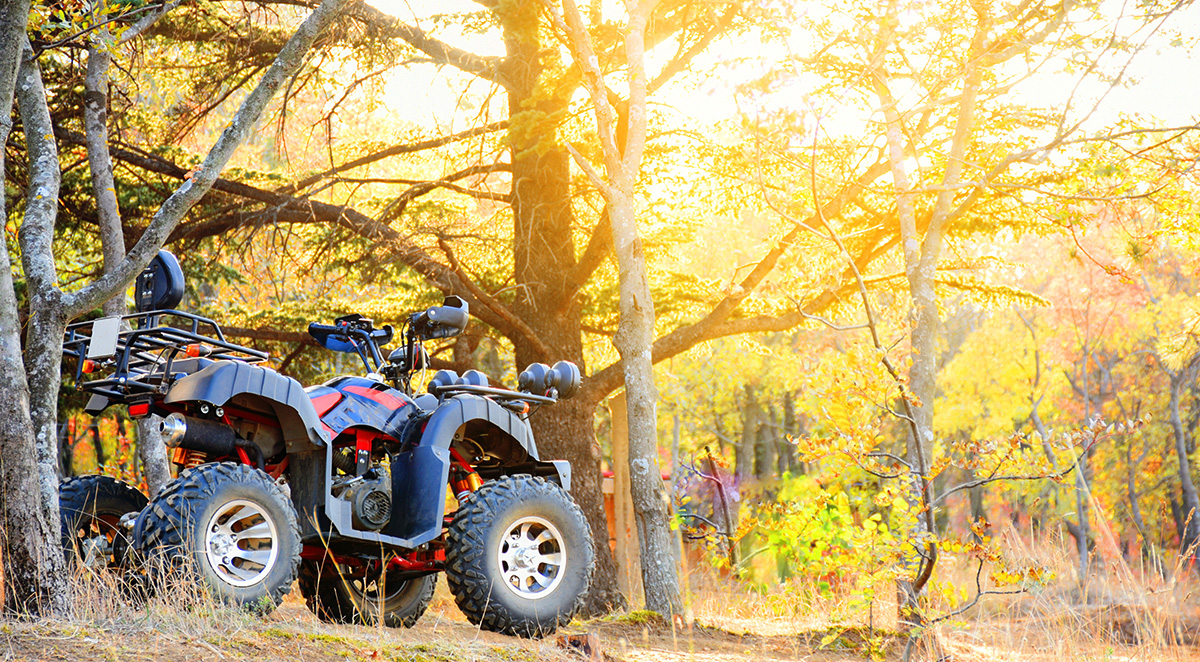
Fall might be the best ATV riding of the year. The heat breaks, the trails firm up, the scenery turns, and the long days of hard summer use are behind you. But the change of season brings its own conditions, and your machine has a summer of wear to account for. A thorough fall inspection sets your ATV up for great autumn riding and catches the trouble that summer left behind.
Since 1970, Carolina Cycle has helped riders keep their machines trail-ready through every season. This guide walks through why fall changes how you ride, what a complete inspection covers, and how to prepare for the specific conditions autumn brings. A little attention now means a season of dependable riding when the trails are at their best.
Quick Summary
- Fall brings cooler temperatures, wet leaves, returning mud, and shorter days, all of which change trail riding.
- A summer of hard use leaves accumulated wear that's worth catching before fall riding begins.
- A full inspection covers tires, brakes, fluids, cooling, battery, and the drive system.
- Wet leaves and hidden obstacles make traction and visibility fall priorities.
- Genuine OEM parts restore your ATV to the specifications it was built around for the season ahead.
Why Fall Changes ATV Riding
Autumn transforms the trail. Cooler temperatures are easier on your machine and more comfortable to ride in, but fallen leaves hide the trail surface and become slick when wet, and the mud that dried up in summer often returns with fall rain. Shorter days mean more riding in low light, and the changing terrain hides obstacles that were easy to see a month ago.
These changes ask different things of your ATV than summer did. Traction matters more on slick, leaf-covered ground, lighting becomes a real consideration as daylight shrinks, and the return of mud and moisture puts sealing and protection back in focus. Preparing for fall is about matching your machine to these new conditions, so it performs when the riding is at its finest.
Taking Stock After a Hard Summer
Before looking ahead, it's worth accounting for the summer behind you. A season of heat, dust, and hard miles leaves its mark, and the wear accumulates quietly. Filters have collected summer's dust, fluids have worked through hot months, and components have taken a full season of use.
Think about how you rode. A summer of aggressive trail riding, water crossings, or dusty conditions leaves specific needs, and matching your inspection to your actual use makes it more effective. The harder the summer your machine had, the more there is to look at before you ask it to tackle a fall season.
The Fall Inspection Checklist
A structured pass through the major systems catches both summer's wear and fall's new demands. Work through each of these before the season gets underway.
Tires and Traction
Traction is a fall priority, so check your tires closely. Inspect tread depth and condition after a summer of use, and confirm there's enough bite left for slick, leaf-covered trails. Set pressures to specification, remembering that cooler fall air lowers them. Good tires in good condition are your foundation on changing terrain.
Brakes
Fall conditions make dependable braking essential, since wet leaves and mud reduce traction and lengthen stopping distances. Check brake pad thickness and confirm there's plenty of material for the season, and inspect the system for proper operation. Brakes you can count on matter more as the trail gets slick.
Fluids and Filters
Summer heat is hard on fluids, so check engine oil condition and change it if the season took a toll. Inspect the air filter, which likely collected a summer's worth of dust, and service it as needed. On machines with differential or transmission fluids, check those too, especially if you did any water crossings. Fresh fluids set your machine up for fall.
Cooling System
Even as temperatures ease, a healthy cooling system is part of a well-maintained ATV, and slow fall trail riding still generates heat. Clear any debris packed into the radiator over the summer, check coolant condition and level, and confirm the fan operates correctly.
Battery and Electrical
Fall's shorter days mean more riding in low light, so your lighting matters more than it did all summer. Confirm your headlights and taillights work correctly, and check that the battery holds a charge, since cooler mornings ask more of it and summer heat may have left it weakened. Reliable electrical is both a convenience and a safety consideration as daylight shrinks.
Drive System
A summer of riding wears the drive system, so give it a close look. On belt-driven machines, inspect the belt for wear and glazing, and on chain-driven ones, check tension and lubrication. Inspect CV boots and axles for damage, particularly if summer included mud or water. A sound drive system is what keeps you moving on the trail.
You'll find genuine service parts for these systems in our Kawasaki ATV parts catalog and across our other brand catalogs, and our team can help you match the exact part to your model and year.
Preparing for Fall Trail Conditions
Beyond the inspection, fall riding rewards a few adjustments. Wet leaves are deceptively slick, so ride with more caution on covered trails and give yourself extra room to stop. The return of mud means the sealing and protection that mattered in spring is worth revisiting, especially if your fall riding gets wet.
Shorter days call for planning. Start rides earlier, carry lighting, and be prepared for the early dark that catches riders off guard in autumn. Cooler mornings also mean dressing in layers and giving your machine a moment to warm up. Our easy DIY UTV repairs guide covers several of the maintenance jobs that keep a machine ready for changing conditions. Riding with the season in mind keeps fall trail riding safe and enjoyable.
DIY Vs. Professional Service
Much of fall maintenance suits a capable owner. Checking tires and pressures, changing oil and servicing filters, inspecting brakes and the drive system, and confirming lights and battery are all reasonable driveway jobs with basic tools and a service manual. Doing them yourself keeps you close to your machine's condition heading into the season.
Some work is better handed to a shop. Internal engine or drivetrain repairs, bearing and seal replacement, and diagnosing an intermittent electrical fault take specialized tools and experience. There's no wrong answer as long as the work gets done properly. If you're unsure whether a job is within your reach, reach out and we'll help you figure out the best approach.
Why OEM for Seasonal Inspection
A fall inspection is about restoring your ATV to the condition it was designed to run in, which is exactly what genuine parts do. A genuine filter, belt, brake component, or seal meets the specifications your manufacturer set, so your machine performs predictably as it takes on fall's changing conditions.
Fitment matters as much as function. Genuine components install correctly and seal properly, which keeps dust, water, and mud where they belong and your machine running as intended. When you're setting up your ATV for a season of great riding, that reliability is worth insisting on.
Frequently Asked Questions
Why inspect my ATV specifically for fall?
A summer of hard use leaves accumulated wear, and fall brings new conditions like wet leaves, returning mud, and shorter days. A seasonal inspection catches summer's toll and prepares your machine for autumn's demands.
Do wet leaves really affect ATV traction?
Yes. Fallen leaves hide the trail surface and become slick when wet, reducing traction much like mud does. Good tires and dependable brakes, plus a more cautious pace, all help on leaf-covered trails.
Should I change my oil at the end of summer?
If your ATV saw hard summer riding or the oil is near its interval, changing it heading into fall is a good idea. Summer heat accelerates oil breakdown, and fresh oil sets your engine up well.
How does fall affect my ATV's battery?
Summer heat can leave a battery weakened, and cooler fall mornings ask more of it, so a battery that struggled late in summer may need attention. Confirm it holds a charge before you rely on it.
Can Carolina Cycle help me plan a fall inspection?
Absolutely. Tell us your model and how you rode this summer, and we'll help you identify the genuine parts and service points worth addressing before the fall season.
Ride the Best Season Prepared
Fall trail riding is a reward worth preparing for. Account for the summer your machine had, work through a thorough inspection, and adjust for the slick, shorter, muddier days ahead. Do it with genuine parts and a bit of time, and your ATV will be ready for what many riders consider the finest riding of the year.
When you're ready to prepare your machine for fall, contact our team through our OEM parts support page. We've kept powersports machines trail-ready since 1970, and we'll make sure your ATV has exactly what it needs for the season ahead.
