


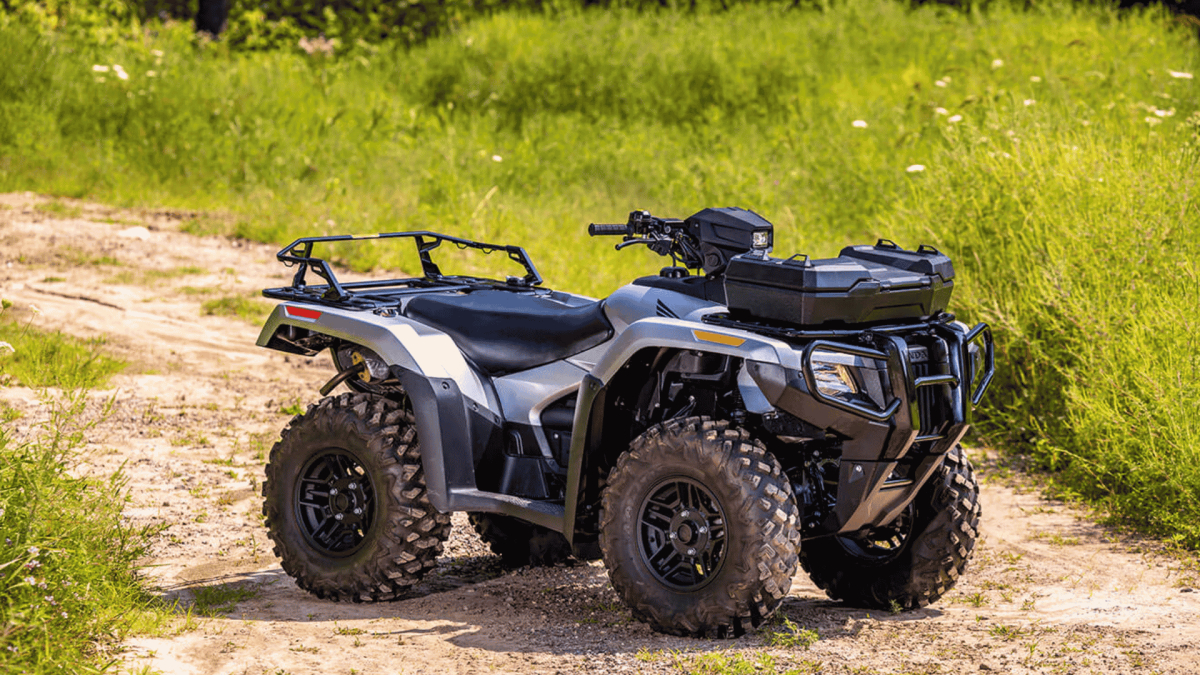
Spring thaw and seasonal rain turn trails into a different kind of challenge. The same mud that makes off-road riding fun is also one of the harshest things your ATV will face all year. It works its way into bearings, tears at seals, packs into the drivetrain, and hides obstacles that can damage the underside of your machine in an instant.
Riding mud season well comes down to two things: protecting the vulnerable parts of your ATV before they get damaged, and being able to get yourself unstuck when the trail wins a round. This guide covers both, with a focus on the genuine OEM components that hold up to abuse and the recovery gear that gets you moving again. For background on why genuine parts are worth it in tough conditions, our guide on choosing between OEM and aftermarket ATV parts is a useful companion read.
Quick Summary
- Mud accelerates wear on bearings, seals, and CV boots, and can cause expensive damage when it hides trail obstacles.
- Genuine OEM skid plates, guards, and seals are sized to your machine, so they protect without compromising clearance or fit.
- Carry self-recovery basics like a tow strap, traction aid, and a way to clear packed mud, even if your ATV has a winch.
- A thorough post-ride cleaning is one of the most effective ways to prevent corrosion and premature part failure.
What Mud Actually Does to Your ATV
It’s easy to think of mud as harmless fun, but its effects add up quickly. Understanding where it does damage helps you protect the right parts before a fun day costs you a repair bill.
Bearings, Seals, and CV Boots
Wheel bearings and the seals around them are designed to keep grit out and grease in. Fine, abrasive mud is exactly the kind of contaminant those seals fight against, and once it works past a worn seal, it grinds away at the bearing from the inside. A bearing that runs gritty wears out far faster than one kept clean.
CV boots face a similar threat. These flexible rubber covers protect the constant-velocity joints in the drivetrain, and a small tear lets mud and water reach the grease-packed joint. Once contaminated, the joint wears rapidly and can fail entirely. A quick inspection of boots and seals after muddy rides catches small problems before they become major ones.
The Cost of Ignoring It
The frustrating thing about mud damage is its delay. The bearing you contaminated in April may not howl until July, by which point the wear is done. Hidden rocks and stumps under the surface are more immediate, capable of denting cases, bending components, or puncturing the underside on a single bad line.
This is why protection and maintenance matter so much during mud season. The goal is to keep the abrasive material out of sensitive systems and to shield the underside from impacts you cannot see coming.
Undercarriage and Drivetrain Protection
Skid plates and component guards are your first defense against the obstacles mud hides. A full-coverage skid plate protects the frame and the vulnerable cases beneath it, letting the machine slide over rocks and logs instead of catching on them.
Genuine OEM skid plates and guards are engineered to fit your specific model, which matters more than it might seem. A correctly fitted plate maintains ground clearance, mounts to factory points without modification, and channels debris away rather than trapping it. A poorly fitting substitute can rub, rattle, or hold mud against the very components it's meant to protect.
Beyond the main skid plate, consider guards for the most exposed parts of the drivetrain and steering. You can find fitment-matched protection and components across our ATV catalogs, including Honda ATV parts and Yamaha ATV parts. Matching parts to your exact model removes the guesswork and ensures everything seats the way it should.
A brief word on air intake: deep mud and water crossings raise the risk of pulling moisture into the engine, so know where your intake sits and avoid crossings deeper than your machine is set up to handle. This is a detailed topic in its own right, especially the intake protection systems available for specific models.
Self-Recovery Without a Winch
Even a well-prepared ATV gets stuck in mud season, so the ability to recover yourself is part of riding smart. Winch selection and installation is a substantial topic that deserves its own dedicated research, but plenty of effective recovery does not depend on a winch at all.
A few basics belong on every muddy ride. A rated tow strap lets a riding partner pull you free, and a traction aid placed under a spinning wheel can give just enough grip to crawl out. A sturdy folding shovel or scraper clears packed mud from around the tires and underside, which is often what frees a high-centered machine. Gloves and a small kit of basic tools round out a setup that handles most situations.
The technique matters as much as the gear. Clearing mud from around the tires before you try to move, rocking gently rather than spinning hard, and reducing tire pressure slightly for more contact all help. Spinning wheels at full throttle usually digs you deeper and packs mud into places you will have to clean later.
DIY vs. Professional Installation
Many protection components are well within reach of a confident home mechanic, while others are worth handing to a professional. Knowing the difference saves both money and frustration.
Bolt-on skid plates and guards that mount to factory points are a reasonable DIY project for most owners. The work is mechanical rather than technical, the hardware is straightforward, and our guide to easy DIY UTV repairs covers the kind of approach that applies here. Take your time, use the correct torque values, and confirm clearance before your first ride.
Tasks that involve splitting the drivetrain, pressing in bearings, or anything affecting steering geometry lean toward professional service. These jobs require specialized tools and a margin for error that home setups often lack. There is no shame in installing the parts you are comfortable with and letting a shop handle the rest. The point is a properly protected machine, not a bragging right.
Post-Ride Cleaning to Prevent Corrosion
What you do after a muddy ride matters as much as how you prepared for it. Mud left to dry on your ATV holds moisture against metal, traps grit against seals, and sets up the slow corrosion that shortens part life.
A thorough rinse is the foundation, but be deliberate about it. Avoid blasting high-pressure water directly at bearings, seals, and electrical connections, since the same pressure that strips mud can also force water past seals. Rinse from a sensible distance, work mud out of the radiator fins and around the drivetrain, and let the machine drain and dry.
Once clean, lubricate the points the manufacturer specifies and inspect the seals and boots you worked so hard to protect. This is also the moment to spot a small tear or a loosened guard while it's easy to address. A consistent post-ride routine is genuinely one of the cheapest forms of ATV protection there is.
Pre-Season Mud Readiness Checklist
Before mud season gets fully underway, a focused inspection and a few additions to your kit set you up for a good run.
- Inspect all CV boots and wheel seals for cracks or tears, and replace any that look compromised.
- Confirm your skid plate and guards are present, secure, and correctly fitted.
- Check that your air intake routing is intact and appropriate for the crossings you expect.
- Assemble a basic recovery kit: rated tow strap, traction aid, folding shovel, gloves, and tools.
- Plan your post-ride cleaning approach so it becomes routine, not an afterthought.
Working through this list takes an afternoon and prevents the most common mud-season setbacks. If you are unsure which protection components fit your machine, our team can match the correct genuine parts to your model. Reach out anytime through our OEM parts support page.
Frequently Asked Questions
How often should I check my CV boots during mud season?
A quick visual check after every muddy ride is ideal, since a fresh tear caught early prevents joint contamination. At minimum, inspect them whenever you clean the machine. Look for cracks, tears, or grease slung onto nearby components, which is a sign a boot has already failed.
Will a skid plate reduce my ground clearance?
A properly fitted OEM skid plate is designed to maintain your machine's intended clearance while adding protection. Fitment is the key variable, since a plate made for your specific model mounts flush to factory points. An ill-fitting substitute is more likely to hang low or trap debris, which is one reason matched parts are worth seeking out.
Is it bad to pressure wash my ATV after riding in mud?
Pressure washing is effective but requires care. Directing high-pressure water straight at bearings, seals, and electrical connectors can force water past them and cause the very damage you are trying to prevent. Keep some distance from those areas, and use lower pressure around anything sealed.
Do I need a winch to ride in mud safely?
A winch is a valuable recovery tool, but it's not the only way to get unstuck. A tow strap with a riding partner, a traction aid, and a shovel handle a great many situations. Plenty of riders manage mud season well with self-recovery basics and good technique, and winch selection is best researched on its own when you decide to add one.
Conclusion
Mud season rewards riders who prepare. Protecting bearings, seals, and the underside of your ATV with correctly fitted OEM components keeps abrasive mud away from the parts that wear fastest, and a simple recovery kit means a stuck machine is an inconvenience rather than the end of your day. Add a consistent post-ride cleaning routine, and you have covered the three things that matter most.
None of it requires exotic gear or a professional shop for every task. A thoughtful inspection, the right genuine parts, and a few good habits let you enjoy the muddiest part of the riding season while keeping your machine healthy for the rest of the year. When you are ready to match protection components to your ATV, we’re here to help you choose correctly.
