


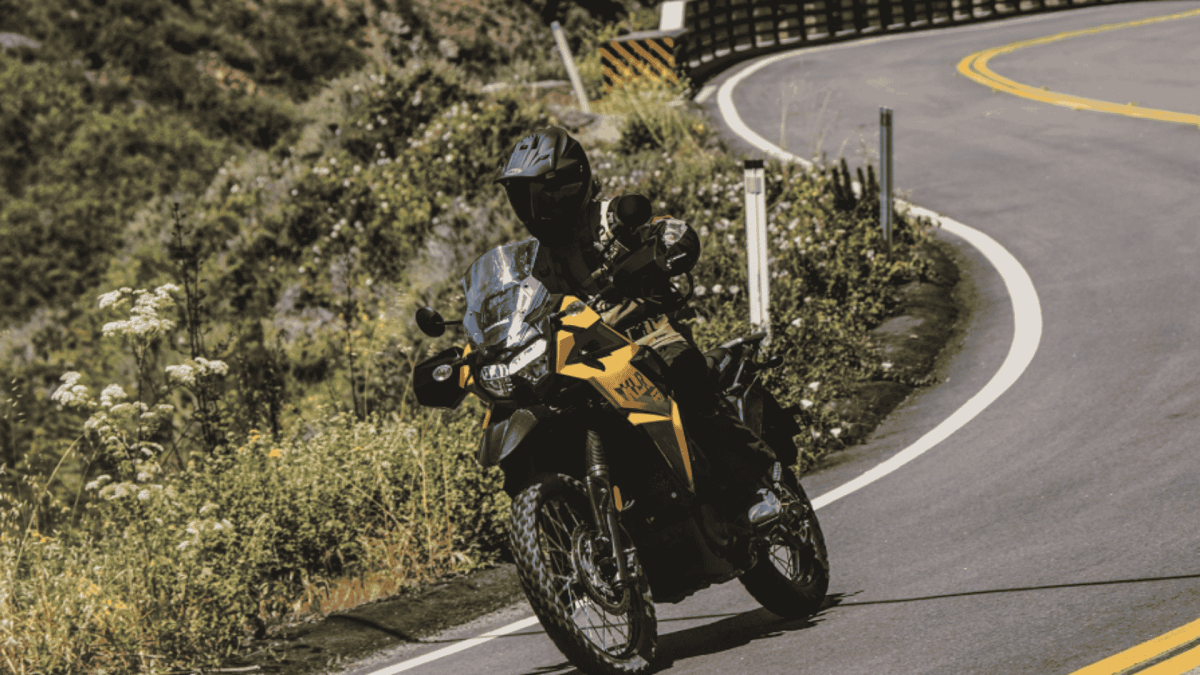
Summer puts your motorcycle on display, and it puts your bike's finishes through their toughest test of the year. Relentless sun, baked-on bugs, road tar, and heat all work against that showroom shine, and the wrong cleaning approach can do more harm than the grime itself. Detailing your bike well in summer isn't just about looks. It's about protecting the finishes, plastics, and seals that the season is hardest on.
This page covers how to detail your motorcycle the right way through the summer months, why the products you choose matter so much, and the habits that keep your bike looking its best without damaging it. Using the correct products and techniques is what separates a clean bike from a slowly degraded one.
Why Product Choice Matters
It's tempting to reach for whatever cleaner's under the sink, but household products are often the wrong choice for a motorcycle. Many contain chemicals that are too harsh for delicate finishes, painted surfaces, or rubber and plastic components. What strips grease off a kitchen counter can dull a finish or dry out a seal.
The surfaces on your bike each have different needs. Painted bodywork, bare metal, plastic panels, rubber seals, and the chain all respond differently to cleaners, and a product that's fine for one can damage another. Matching the right product to each surface protects your investment rather than slowly wearing it down.
There's also a long-term cost angle. A seal that dries out and cracks because of a harsh cleaner, or a finish that hazes from the wrong product, becomes an expense down the road. Spending a little thought on product choice now is cheaper than replacing damaged components later.
Protecting Finishes from Summer Sun
The summer sun is hard on a motorcycle in ways that aren't always obvious. Prolonged UV exposure fades paint, dulls plastics, and can degrade rubber over a season of riding and parking in the heat. Detailing in summer isn't only about cleaning, it's about adding a layer of protection against that exposure.
After cleaning, a quality protectant suited to each surface helps shield it from UV damage. Painted surfaces benefit from a protective product that guards the finish, while plastics and trim have their own dedicated protectants that keep them from fading and chalking. Rubber seals and components stay healthier when they're kept conditioned rather than left to bake dry.
Where you store your bike matters too. Parking in shade or under a cover when you can dramatically reduces the sun's cumulative effect. A little protection between rides goes a long way toward keeping finishes looking new through the hottest months.
Removing Bugs and Tar Safely
Summer riding means bugs, and the longer they sit on hot paintwork, the harder they are to remove and the more they can etch into the finish. The instinct to scrub hard is exactly the wrong move, since aggressive scrubbing can scratch the surface you're trying to clean.
The safer approach is to soften before you remove. Letting a proper cleaner or a damp cloth sit on the spot loosens bugs and tar so they wipe away with far less pressure. Patience here protects your finish, while impatience scratches it. Dedicated bug-and-tar removers exist for exactly this reason and are gentler than brute force.
A related summer rule worth knowing: don't wash a sun-hot bike. Cleaning products dry too quickly on hot surfaces, which can leave residue and streaking, and rapid temperature changes aren't kind to certain components. Let the bike cool in the shade before you wash it, and you'll get a better result with less effort.
Choosing the Right Products by Surface
Matching products to surfaces is the heart of safe detailing. A quick mental map of your bike's surfaces helps you pick correctly and avoid the cross-contamination that causes damage.
- Painted bodywork: a gentle wash product followed by a protectant designed for paint.
- Plastics and trim: dedicated plastic cleaners and protectants that resist fading.
- Bare metal and chrome: appropriate metal cleaners that won't pit or dull the surface.
- Rubber seals: conditioners that keep rubber supple rather than products that dry it out.
- Chain and drivetrain: purpose-made chain cleaners and lubricants, never general degreasers that can strip protective coatings.
Using the right product on each surface is genuinely the simplest way to protect your bike during detailing. If you're maintaining drivetrain components as part of your routine, you can find genuine parts across our catalogs, including Honda motorcycle parts and Yamaha motorcycle parts.
A Few Summer Detailing Habits
Good detailing in summer comes down to a handful of consistent habits more than any single product. Build these into your routine and your bike stays protected through the season.
Wash in the shade on a cool bike, work from the top down, and rinse thoroughly so no cleaner dries on the surface. Address bugs and tar promptly rather than letting them bake on. Finish with the right protectant for each surface, and pay attention to seals and rubber so they stay conditioned. None of it takes long once it becomes routine, and the payoff is a bike that looks great and ages well.
Frequently Asked Questions
Can I use car cleaning products on my motorcycle?
Some automotive products are fine, but many household and even some car cleaners are too harsh for a motorcycle's delicate finishes, plastics, and rubber. The safer route is to use products designed for the specific surface you're cleaning. When in doubt, choose a dedicated motorcycle or surface-specific product over a general-purpose one.
Why shouldn't I wash my bike when it's hot from riding or sitting in the sun?
On a hot surface, cleaning products dry too fast, which leaves residue and streaking and makes the job harder. Rapid temperature swings also aren't ideal for some components. Letting the bike cool in the shade first gives you a cleaner result with less effort and less risk.
How do I remove dried-on bugs without scratching the paint?
Soften them first. Let a proper cleaner or a damp cloth sit on the spot to loosen the residue, then wipe gently rather than scrubbing hard. Dedicated bug-and-tar removers make this easier. The key is patience, since aggressive scrubbing is what scratches finishes.
Do I really need separate products for different surfaces?
It's the safest approach, since paint, plastic, metal, rubber, and the chain all have different needs. A product that's right for one surface can damage another, so matching products to surfaces protects your bike. You don't need a huge collection, just the right cleaner and protectant for each main surface type.
Keep Your Motorcycle Looking Its Best
Summer detailing done right protects far more than appearance. The correct products, sun protection for vulnerable surfaces, and patient bug-and-tar removal together keep your motorcycle's finishes, plastics, and seals healthy through the season's harshest conditions.
Use the right product on each surface, work on a cool bike in the shade, and add protection between rides, and your motorcycle will reward you with a lasting shine. When you need genuine parts or maintenance products for your machine, our team is here to help you find the right fit. Reach out through our OEM parts support page.
