


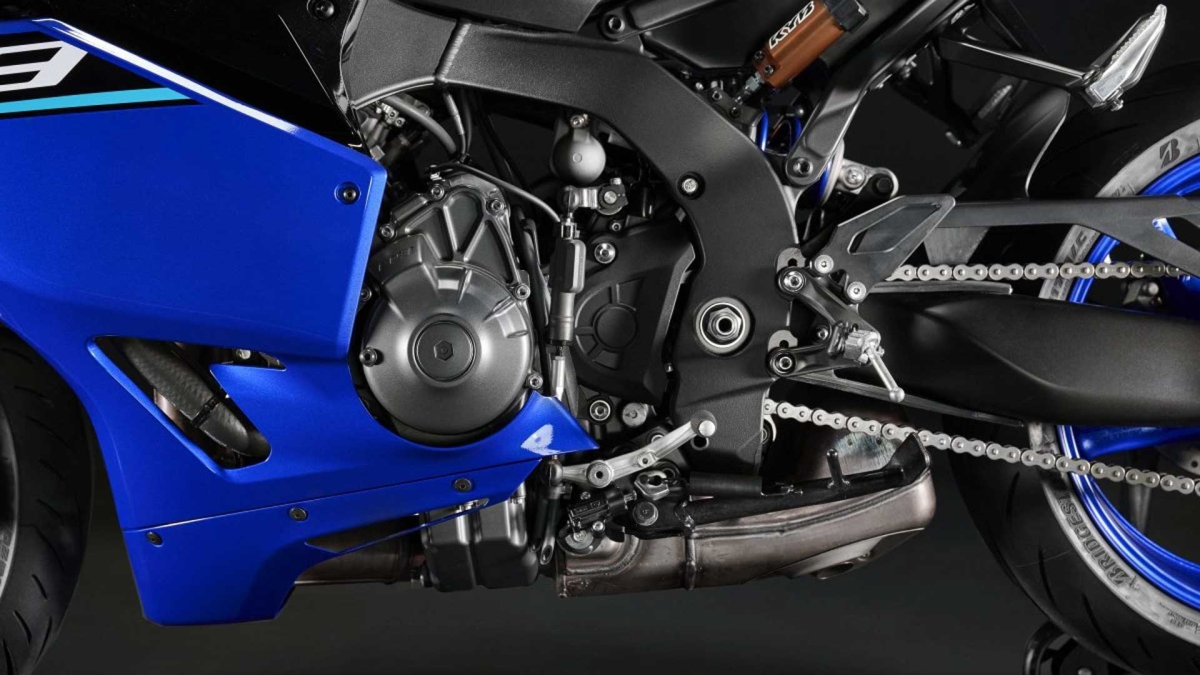
Valve service is one of the most consequential maintenance tasks in motorcycle ownership and one of the most commonly deferred. Unlike an oil change or a brake fluid flush, the effects of incorrect valve clearance are gradual and cumulative — a hard cold start here, a slight loss of compression there — until the machine is noticeably down on performance or, in the worst case, sustaining internal damage that a timely service would have prevented.
Yamaha's engine designs span a wide range of configurations across their motorcycle lineup, from single-cylinder thumpers to inline-four sport bikes, and each has specific valve clearance specifications that must be maintained to keep the engine performing within its designed parameters. This guide covers why valve clearance matters, how to recognize when service is needed, what a complete top-end inspection involves, and which OEM components make the difference in a precision service.
Why Valve Clearance Matters
Valve clearance is the small gap between the top of the valve stem and the component that actuates it — either a rocker arm or, on most modern Yamaha engines, a shim sitting directly on the valve bucket. This gap exists because metal expands with heat, and an engine that is correctly clearanced cold will be correctly clearanced at operating temperature.
The consequences of incorrect clearance run in both directions:
Too tight: A valve with insufficient clearance may not fully close at operating temperature. A valve that doesn't fully seat cannot transfer heat away from the combustion chamber correctly — the valve head relies on contact with the seat to dissipate the majority of the heat it absorbs. A tight exhaust valve in particular runs progressively hotter with each combustion cycle, eventually burning the valve face and seat. The early symptom is a hard cold start that clears up once the engine warms; the late consequence is a damaged valve that requires head work.
Too loose: Excessive clearance produces a characteristic ticking at idle that increases with engine speed. It also reduces the valve's lift duration slightly, affecting breathing efficiency and power output. While the consequences of excessive clearance are less immediately destructive than a tight valve, the ticking is not simply cosmetic — it indicates metal-to-metal impact at every opening event, which accelerates wear on both the shim and the cam lobe surface.
How to Know When Your Yamaha Needs Valve Service
Yamaha specifies valve clearance inspection intervals in the owner's manual for each model. These intervals are mileage-based and exist because shims wear gradually, shifting clearance tighter over time as the valve seat wears in. For most Yamaha four-stroke motorcycles, the first inspection is typically at 600 miles or the first service, with subsequent intervals at every 15,000 to 26,600 miles depending on the model. Your owner's manual is the authoritative source for your specific machine.
Several symptoms suggest valve clearance has drifted out of specification before the scheduled interval:
- Hard starting when the engine is cold, particularly if the engine starts more easily once warm
- Pinging or light detonation under load, which can indicate a tight valve affecting compression
- Audible ticking at idle that increases with RPM on the valve train side of the engine
- A gradual, unexplained decline in fuel economy or power output
Any of these symptoms warrants a valve clearance check rather than waiting for the next scheduled interval.
What Top-End Service Involves
Valve Clearance Measurement and Shim Adjustment
Valve clearance measurement requires removing the valve cover and, on most models, the cam chain tensioner to allow cams to be rotated to the measurement position. With each cylinder at top dead center on the compression stroke, a feeler gauge measures the gap at each valve. Measurements outside the specified range require shim replacement.
On Yamaha's shim-over-bucket designs, the shim sits in a recess on top of the valve bucket. Replacing it requires removing the cam and bucket to access the shim. The replacement shim thickness is calculated from the measured clearance, the current shim thickness, and the target clearance specified in the service manual.
OEM Yamaha shims are manufactured to precise thickness tolerances — shim thickness determines clearance, and clearance is specified to within a few hundredths of a millimeter. An aftermarket shim that is marginally off-spec in thickness produces a marginally incorrect clearance, which means the service window will arrive sooner than a correctly-shimmed engine.
Valve Seal and Guide Inspection
While the valve cover is off, inspecting the valve stem seals for oil consumption signs is a natural addition. Valve stem seals that are hardening or cracking allow oil into the combustion chamber, producing a puff of blue smoke on startup that clears as the engine warms. OEM valve stem seals are manufactured to the correct material and dimensional specification for your specific engine's valve stem diameter and guide bore.
Cylinder Head Gasket
Top-end work involving cylinder head removal requires a new OEM head gasket for reassembly. Head gaskets are single-use components; the metal and composite layers crush permanently during the initial torque-down, and reusing a compressed gasket risks an incomplete seal. OEM Yamaha head gaskets are manufactured to the correct crush height and material specification for your cylinder head and block sealing surfaces.
Camshaft and Cam Chain
With the cam accessible, inspect lobe surfaces for scuffing or flat spots. Check cam chain stretch and confirm the cam chain tensioner functions correctly. A tensioner not maintaining correct chain tension allows cam timing to wander, affecting power delivery and eventually causing chain noise. OEM cam chain tensioner components restore the specified spring rate and ratchet function that maintain correct timing chain tension.
OEM vs. Aftermarket Top-End Components
Engine tolerances are measured in hundredths of a millimeter. At those dimensions, the difference between an OEM component manufactured to the specified tolerance and an aftermarket alternative manufactured to a looser tolerance is the difference between a correctly-completed service and one that leaves marginal clearances that shift out of spec faster than expected. For valve shims, head gaskets, and tensioner components, OEM specification is the standard the service is being performed to, not a preference.
Browse Yamaha motorcycle OEM parts for top-end service components, or contact our OEM parts support team for help identifying correct shim sizes, gaskets, or tensioner components.
DIY Top-End Service vs. Professional
Valve clearance measurement is within reach of a mechanically experienced rider with a service manual, feeler gauges, and patience for a methodical process. The measurement itself is not complicated — it requires correct cam positioning and accurate feeler gauge technique.
Shim replacement raises the bar: it requires cam removal and reinstallation, correct cam timing during reassembly, and the ability to source shims in the correct thickness. On multi-cylinder engines, the reassembly torque sequence for cam caps is a precision step that affects cam bearing life. Riders without multi-cylinder experience benefit from professional service for shim replacement even if they complete the measurement themselves. Head gasket and valve seal service involve more significant disassembly and are most reliably handled professionally.
Frequently Asked Questions
How often should Yamaha motorcycle valves be adjusted?
Intervals vary by model. Most modern Yamaha four-stroke motorcycles specify the first valve clearance inspection at the initial service, with subsequent inspections typically every 15,000 to 26,600 miles. Some performance models specify shorter intervals. Your owner's manual lists the correct interval for your specific model and year.
What happens if I ignore valve clearance for too long?
A tight exhaust valve that is not corrected will eventually burn — the valve face and seat sustain thermal damage that requires head resurfacing or valve replacement to correct. A consistently tight valve can also cause loss of compression in that cylinder, reducing power output measurably. These outcomes are avoidable with timely service and significantly more expensive to correct than the service itself.
Can I check valve clearance myself?
Yes, with a service manual, feeler gauges, and basic mechanical experience. The measurement process requires rotating the engine to the correct position for each cylinder, which varies by model, and reading feeler gauges accurately. Many Yamaha owners complete the measurement themselves and bring the results to a shop for shim replacement if any are out of spec.
What is a valve shim and why does OEM spec matter?
A valve shim is a small hardened disc that sits between the camshaft lobe and the valve bucket, setting the clearance by its thickness. Shims are available in a range of thicknesses measured in hundredths of a millimeter. OEM shims are manufactured to tight thickness tolerances because the entire valve clearance service is a precision measurement — using a shim that is marginally off in thickness produces a clearance that is marginally incorrect, which will shift out of spec sooner than a correctly-shimmed engine.
Does top-end service affect my Yamaha's warranty?
On machines still within the factory warranty period, top-end service performed with OEM components and to the procedures specified in the service manual maintains warranty compliance. Using non-OEM components or performing service outside the specified procedures may affect warranty coverage for related components. For warranty-active machines, confirming the service approach with a Yamaha dealer is the most reliable guidance.
Keep Your Yamaha Engine in Specification
Valve service performed correctly with genuine OEM components keeps your Yamaha engine running at the performance and reliability standards it was engineered to deliver. Carolina Cycle carries genuine Yamaha OEM parts for the full range of motorcycle models.
Browse the Yamaha motorcycle OEM parts catalog for top-end service components, or contact our support team for guidance on your specific model.
