


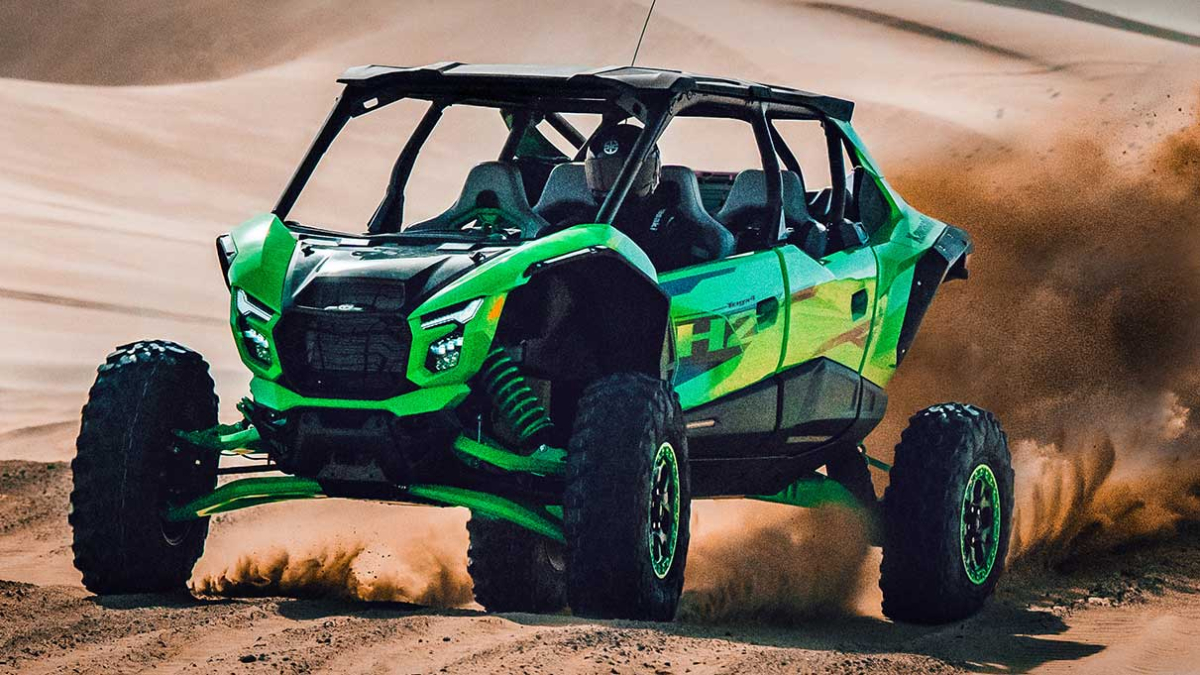
A Kawasaki side-by-side straight from the factory is a capable machine. The right accessories make it the right machine for your specific use: a roof and windshield for trail riding in variable weather, a bed liner and rear rack for utility work, auxiliary lighting for pre-dawn starts or evening runs. Kawasaki's OEM accessory lineup is designed specifically around each model's architecture, which means the accessories fit the way they were intended to, integrate cleanly with the vehicle's existing systems, and don't require the workarounds that universal-fit aftermarket alternatives often demand.
Installation procedure matters as much as part selection. An OEM accessory installed incorrectly — under-torqued mounting hardware, a wiring connection that bypasses the fuse, or a roof panel seated against bare metal without its intended gasket — loses the benefits of the correct design. This guide covers the categories of Kawasaki SXS OEM accessories, the principles that make installation reliable, and how to approach the work so the result functions and lasts the way it was engineered to.
Why OEM Accessories Fit and Perform Differently Than Aftermarket
Kawasaki OEM accessories are engineered alongside the vehicle they're designed for. The mounting points, bracket geometry, wiring harness integration points, and structural load paths are known quantities because the accessory designers are working from the same vehicle specifications as the engineers who designed the chassis.
The practical consequences of this approach are visible in the details:
- Mounting hardware matches the vehicle's existing fastener specification, eliminating the mixed-metric problem common with aftermarket brackets
- Wiring accessories connect to dedicated harness integration points rather than splicing into existing circuits, which protects the vehicle's electrical system and maintains fuse protection
- Structural accessories like roofs and doors are load-rated for the vehicle's roll protection geometry, ensuring they don't compromise the protective function of the ROPS in the event of a rollover
- Finish and materials are matched to the vehicle, so OEM body accessories age at the same rate as the surrounding panels rather than standing out as mismatched additions
Aftermarket accessories vary widely in quality. At the premium end, established aftermarket brands produce well-engineered products for specific Kawasaki models. At the lower end, universal-fit accessories require compromise in mounting, finish, and structural integration that OEM accessories are designed to avoid entirely.
Categories of Kawasaki SXS OEM Accessories
Protective Accessories
Roofs, doors, and windshields are among the most commonly installed SXS accessories, and they are also the category where installation quality matters most. Kawasaki OEM roofs mount to dedicated attachment points on the ROPS frame using the specified hardware and torque values. Under-torqued roof mounting hardware vibrates loose over trail miles; over-torqued hardware can damage the ROPS coating or deform mounting flanges.
Windshields typically use a channel or clamp system that seats against the front frame tubes. Inspect the seating surface for debris before installation and confirm the windshield is fully seated in its channel before tightening any retention hardware. Doors on applicable Kawasaki models are hinged systems with integrated latching; correct door alignment during installation prevents uneven panel gaps and latch wear.
Cargo and Utility Accessories
Bed liners, rear racks, and towing components are utility accessories where load rating compliance is the critical installation consideration. Kawasaki OEM bed liners are formed to the exact contour of the cargo bed, which is what allows them to transfer loads to the bed structure correctly rather than bridging unevenly across high points. Installing a bed liner with fasteners in the wrong locations, or skipping the fasteners entirely, allows the liner to shift under load and can abrade the bed surface it is meant to protect.
OEM towing components, where applicable to your model, are rated to the vehicle's towing capacity specification. Confirm that any towing accessory installation includes all specified hardware and that the receiver tube or hitch bracket is torqued to the value in the installation instructions.
Lighting Accessories
Kawasaki OEM lighting accessories, including light bars and work lights, are designed to integrate with the vehicle's electrical system through dedicated wiring harness connectors rather than direct battery connections. This integration means the lighting circuit is protected by a fuse rated for the accessory's current draw, and the lighting is controlled through the vehicle's switch system as intended.
Key installation considerations for lighting accessories:
- Route wiring away from moving components, exhaust surfaces, and sharp frame edges
- Use all provided wiring management clips and tie points to prevent chafing
- Confirm the fuse specification matches the accessory's rated current draw before installation
- Test the circuit for correct function before final wiring routing and closure
Comfort and Cab Accessories
Mirrors, grab handles, rear-view systems, and seating accessories round out the OEM lineup for cab comfort and visibility. These accessories typically use existing threaded locations in the ROPS or cab structure, which means no drilling or modification to the vehicle is required. Installation sequence matters: on accessories that involve multiple brackets sharing a single ROPS tube location, thread all fasteners before torquing any of them to allow correct alignment.
General Installation Principles for Kawasaki OEM Accessories
A few principles apply across every accessory category and are worth internalizing before beginning any installation.
Use the installation instructions provided with the accessory.
Kawasaki OEM accessories include model-specific installation documentation. These instructions specify the correct torque values, installation sequence, and any preparatory steps specific to your model year. Generic torque values from a fastener chart are not a substitute for the accessory-specific specification.
Torque specifications exist for a reason on body-mounted accessories.
Trail vibration is sustained and significant. Hardware that is hand-tight or estimated to be approximately correct will work loose over time. A torque wrench is the right tool for accessory installation hardware, not just engine components.
Wiring integration should follow the harness diagram exactly.
Kawasaki OEM wiring accessories are designed to connect at specific points in the harness. Bypassing those connection points to simplify routing removes the fuse protection and circuit management the design provides.
Document what was installed and when.
Keeping a record of accessory installation dates and part numbers is useful for warranty purposes and for confirming compatibility if additional accessories are added later.
For Kawasaki SXS OEM accessories and installation components, browse the Kawasaki utility and SXS OEM parts catalog. For questions about accessory compatibility with your specific model year or configuration, contact our OEM parts support team.
Protecting Your Kawasaki Warranty During Accessory Installation
Kawasaki OEM accessories installed per the provided instructions maintain warranty compliance because they are part of Kawasaki's engineered accessory system. Aftermarket accessories occupy a more complex position. Installing a non-OEM accessory does not automatically void the vehicle warranty, but if an aftermarket accessory causes damage to a covered component, that warranty claim can be denied. An aftermarket electrical accessory that introduces a fault into the wiring harness, or a non-OEM roof that improperly loads the ROPS frame, are examples where the connection between accessory and damage is direct enough to affect coverage.
For warranty-sensitive installations or questions about specific accessory compatibility, consulting your Kawasaki dealer is the most reliable approach.
Frequently Asked Questions
Do Kawasaki OEM accessories come with all required installation hardware?
Yes. Kawasaki OEM accessories are packaged with all fasteners, brackets, wiring connectors, and any gaskets or seals specified for the installation. Review the parts list in the installation documentation before beginning to confirm all components are present.
Can I install Kawasaki OEM accessories myself?
Many Kawasaki OEM accessories are designed for owner installation and include clear instructions for that purpose. Protective accessories, cargo accessories, and most comfort accessories fall into this category. Accessories involving deeper electrical integration or structural modification may specify dealer installation. The installation documentation will indicate which category applies.
Will aftermarket accessories void my Kawasaki warranty?
Not automatically. However, if an aftermarket accessory causes damage to a covered component, that warranty claim can be denied. OEM accessories installed per instructions carry no such ambiguity.
How do I find OEM accessories specific to my Kawasaki SXS model year?
Use your model name and production year to filter accessories in the catalog. Carolina Cycle's Kawasaki utility OEM parts catalog supports model-specific identification. For compatibility confirmation, reach out to our support team.
What tools do I need for most Kawasaki SXS accessory installations?
Most installations require a metric socket set, combination wrenches, a torque wrench, and basic hand tools. Wiring accessories benefit from a multimeter for circuit verification. Specific tool requirements are listed in each accessory's installation instructions.
Install It Right the First Time
Kawasaki OEM accessories are engineered to fit your side-by-side precisely and function reliably over years of hard use. Installing them correctly, with the right hardware and torque values, protects that engineering and ensures the result performs the way it was designed to.
Browse the Kawasaki SXS OEM parts and accessories catalog to find what your machine needs, or contact our support team with questions about accessory compatibility for your specific model.
