


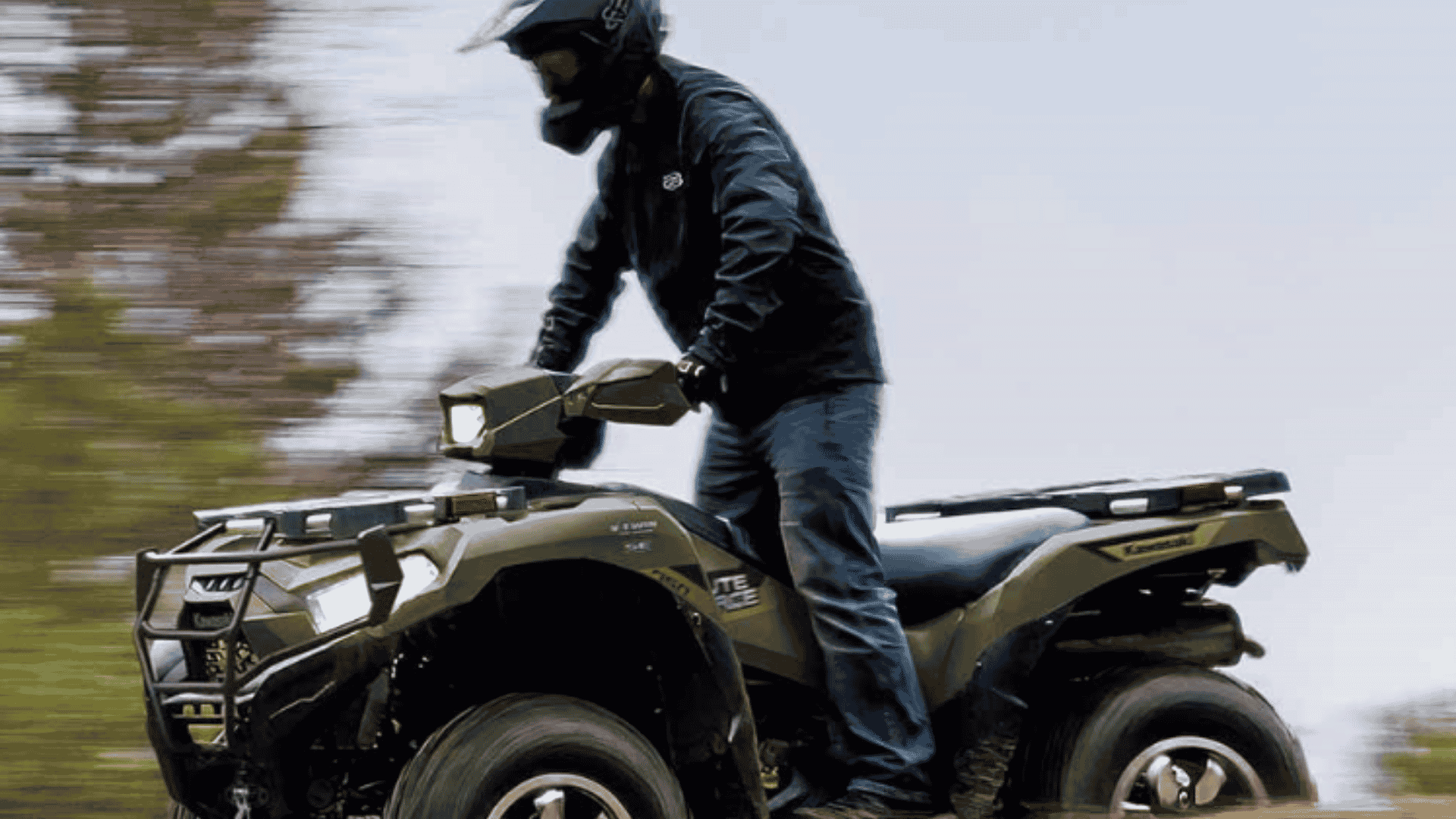
Since 1970, Carolina Cycle has helped Kawasaki owners get the most out of their machines, and few conditions test an ATV like deep mud and water. A summer of hard riding through bogs, creek crossings, and rutted trails is exactly what many Kawasaki riders live for, but it's also where a machine takes the most abuse. The right protective components make the difference between a quad that shrugs off the mud and one that spends the season in the shop.
This page focuses on the genuine Kawasaki accessories that protect your ATV in wet, muddy conditions, along with the maintenance that keeps water and grit from causing lasting damage. If you're specifically looking to raise your air intake for deeper crossings, that's a subject of its own that we cover separately. Here we're concentrating on the guards, seals, and undercarriage protection that keep the rest of your machine safe.
Why Deep Mud and Water Are so Hard on Your Kawasaki
Mud and water attack an ATV from every angle. Water finds its way past tired seals into bearings, differentials, and the transmission, where it displaces lubricant and starts corrosion working almost immediately. Thick mud packs into every cavity, adds weight, holds moisture against metal, and grinds away at moving parts like a slow abrasive.
The components most at risk are predictable. Wheel and steering bearings, CV boots, brake components, the radiator, and electrical connectors all sit low and exposed, right where the mud is deepest. A single hard crossing rarely destroys them, but a season of unprotected riding wears them out far faster than dry trail riding ever would. Understanding where the damage happens is the first step to preventing it.
The OEM Protection That Keeps Mud Out
Kawasaki designs protective components to fit the exact contours of your machine, which matters because a guard that doesn't fit precisely leaves gaps for mud and water to exploit. You can find genuine protective parts for your model in our Kawasaki ATV parts catalog.
Undercarriage and Skid Protection
Full skid plates and A-arm guards shield the belly of your ATV from rocks and submerged obstacles you can't see under muddy water. Genuine guards match the frame's mounting points and cover the vulnerable areas without trapping mud against components that need to shed it. On rocky trails hidden beneath the mud, this protection often prevents the most expensive damage.
Bearing, Seal, and CV Boot Protection
The seals around your wheel bearings, axles, and CV joints are the frontline defense against water intrusion. Genuine seals restore that barrier, and CV boot guards add a layer of protection against the debris that tears boots open. Once a boot fails, grit reaches the joint quickly and wear accelerates, so protecting them is well worth the effort.
Radiator and Cooling Protection
A radiator packed with mud can't shed heat, and slow, technical mudding is exactly when your engine runs hottest. Radiator screens and guards keep the worst of the debris out while still allowing airflow, helping prevent the overheating that mud riders know all too well. Keeping the radiator breathing is one of the most overlooked pieces of mud protection.
Brake and Electrical Protection
Mud and water are hard on brakes and electrical connectors alike. Keeping brake components clear and connectors sealed protects both your stopping power and your machine's reliability. Genuine components maintain the fit and sealing the factory intended, which is what keeps water out of places it doesn't belong.
What to Do After a Water Crossing
Protection is only half the job. What you do after a muddy ride determines how long your Kawasaki lasts, and this is where many riders fall short. A thorough post-ride routine washes away the abrasive grit and reveals problems before they grow into failures.
Start by rinsing the machine thoroughly, paying attention to the radiator, undercarriage, and the areas around seals and bearings. Check the air filter and airbox for any sign of water or mud intrusion. Inspect the differential and transmission fluids, since water contamination often turns them milky, and change them if you see any sign of moisture. Finally, work the suspension and check the bearings for roughness or play. Catching a compromised seal now is far cheaper than replacing a failed bearing later, and it takes only a few extra minutes.
Choosing the Right Protection for Your Riding
The right setup depends on how and where you ride. An occasional creek crossing calls for sound seals and basic undercarriage protection, while regular deep mudding justifies a more complete package of guards, screens, and reinforced sealing. Be honest about your conditions rather than over-building or under-building for them.
Start with your exact Kawasaki model and year so every component fits correctly, then prioritize the areas your riding stresses most. If you spend your time in deep water, sealing and cooling protection lead the list. If rocks hide beneath the mud on your trails, undercarriage protection comes first. When you're unsure what your machine needs, tell us your model and how you ride, and we'll help you build the right combination.
DIY Installation Vs. Professional Help
Much of this protection is well within reach of a capable owner. Skid plates, A-arm guards, radiator screens, and CV boot guards generally bolt on with common tools and a service manual, and installing them yourself helps you learn where your machine is vulnerable. Our easy DIY UTV repairs guide walks through the mindset and tools that make jobs like these approachable.
Some work is better left to a shop. Replacing bearings and seals often requires a press and specific procedures, and diagnosing water damage inside a differential or transmission takes experience. There's no wrong answer as long as the work gets done right. If a job is beyond your comfort level, having it handled properly protects the investment you've made in your machine.
Frequently Asked Questions
Can water really get into my ATV's differential?
Yes. Worn or damaged seals let water into the differential, transmission, and bearings, where it displaces lubricant and causes corrosion. That's why checking these fluids after water crossings is so important.
How do I know if my CV boots are damaged?
Look for tears, cracks, or grease slung around the joint. A torn boot lets mud and water into the CV joint, which then wears quickly, so replacing a damaged boot promptly is worthwhile.
Do skid plates trap mud against my ATV?
Genuine skid plates are designed to protect while still allowing mud and water to drain rather than pool. Proper fit matters here, which is one reason factory-designed guards are worth choosing.
Should I change my fluids after every water crossing?
Not necessarily after every one, but you should check them. If a fluid looks milky or contaminated, change it right away, since water in the lubricant causes damage fast.
What should I inspect first after a deep mud ride?
Rinse the machine, then check the air filter, the differential and transmission fluids, and the bearings and seals. Those are the areas where mud and water do the most hidden damage.
Ride the Mud with Confidence
Deep mud and water are some of the most rewarding riding there is, and the right protection lets you enjoy it without wearing out your Kawasaki. Genuine guards, seals, and screens keep the worst of it out, and a solid post-ride routine handles the rest. Protect the vulnerable areas and stay on top of maintenance, and your machine will be ready for the next crossing.
When you're ready to build out your protection, contact our team through our OEM parts support page. We've helped Kawasaki riders tackle tough conditions since 1970, and we'll make sure you get exactly the right parts for how you ride.
