


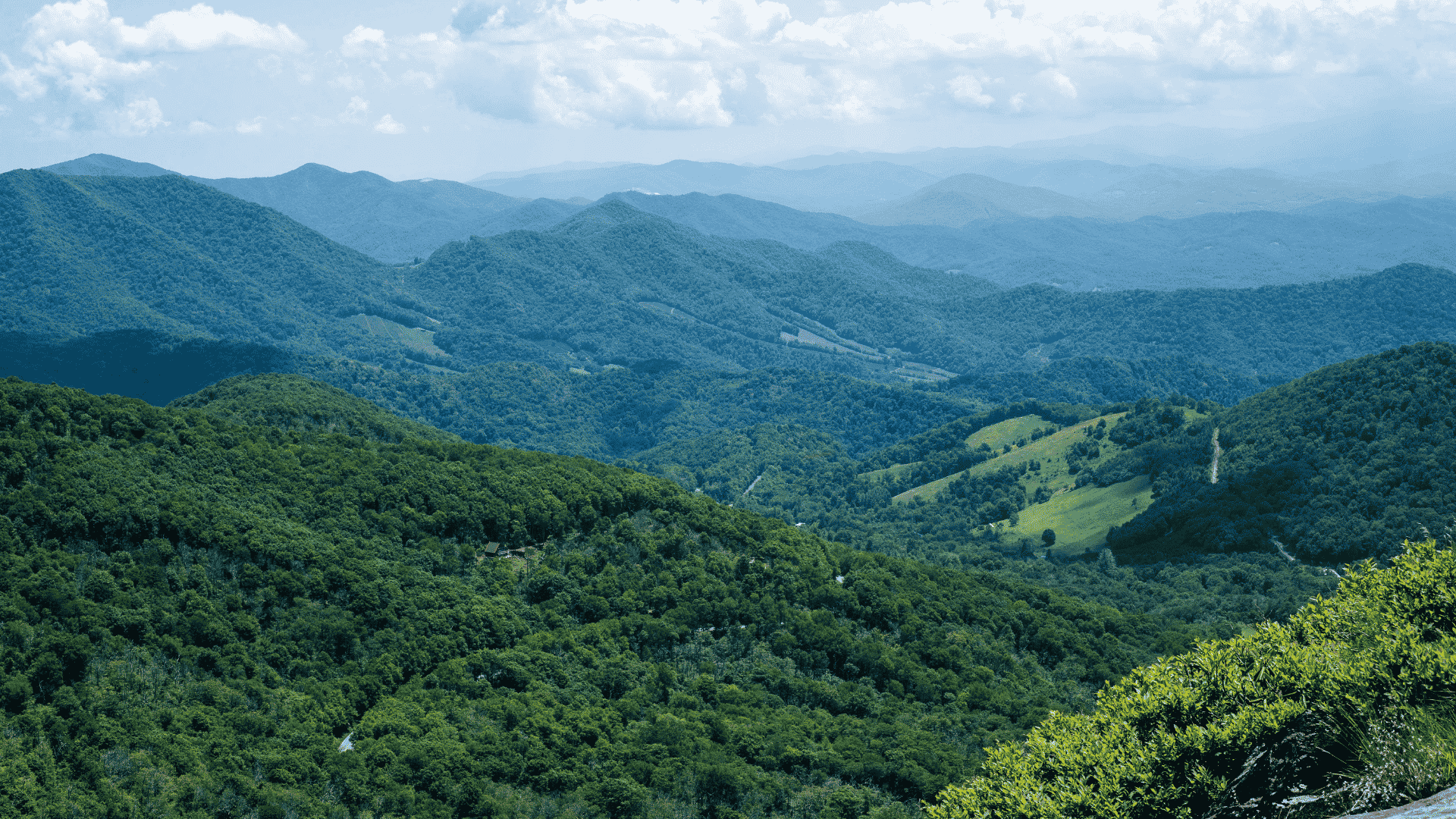
The Appalachian Mountains offer some of the best summer riding in the country, from winding ridge-top roads to challenging backcountry trails. Right here in Waynesville, North Carolina, Carolina Cycle has called these mountains home since 1970, and we know firsthand how mountain terrain tests a machine in ways flat-land riding never does. Steep grades, long climbs, sudden weather, and changing surfaces all ask more of your bike or ATV, and preparation is what keeps a great ride from turning into a roadside problem.
This guide walks through why mountain terrain is so demanding, how to prepare for Appalachian summer conditions, and what to check before you head out. Whether you ride the Blue Ridge Parkway on a touring bike or work the trails on a quad, the mountains reward riders who come prepared.
Why Mountain Terrain Demands More from Your Machine
Elevation change is the heart of the challenge. Every climb works your engine and cooling system harder, and every descent puts sustained demand on your brakes. Add the tight, technical nature of mountain roads and trails, and several systems end up working near their limits far more than they would on level ground.
Braking Under Sustained Descents
Long mountain descents ask your brakes to control speed continuously, and that generates real heat. Worn pads or old brake fluid that has absorbed moisture can fade under that sustained load, reducing stopping power exactly when you need it most. Fresh pads and fluid in good condition are essential mountain equipment, not optional upgrades, and they're among the first things to check before a ridge run.
Cooling on Long Climbs
A steady climb keeps your engine under load for minutes at a time, generating heat with less of the airflow variation that helps on rolling terrain. A cooling system in top condition, with fresh coolant and a working fan, handles this without complaint. A marginal one tends to reveal itself halfway up a grade on a hot afternoon, which is the worst possible place to discover a problem.
Tires and Traction on Changing Surfaces
Mountain riding throws a mix of surfaces at you, from smooth pavement to loose gravel and damp, shaded corners that never see full sun. Tires in good condition with proper pressure give you the grip and confidence to handle those transitions safely. Checking tread and pressure before a mountain ride is time well spent, since traction is what everything else depends on.
Mountain Considerations for ATVs and Side-by-Sides
Trail riders in the mountains face their own version of these demands. Steep, loose climbs work an ATV's engine, clutch, and cooling system hard, and technical descents put the same sustained load on the brakes that street riders feel on paved grades. Low-range gearing that engages properly, a healthy clutch or drive belt, and brakes in good condition all matter more on mountain trails than they do on flat ground.
Traction is the other constant challenge. Roots, wet rock, and loose gravel appear around every bend, so tires with good tread and correct pressure make a real difference in both grip and safety. Heat plays a role too, since a slow, grinding climb generates plenty of it with little airflow to help, so a clean radiator and working fan matter just as much on a quad as on a street bike. Before a mountain trail ride, give the drivetrain, brakes, cooling, and tires the same careful look a street rider gives their machine, and address anything marginal with genuine parts before you head up.
Preparing for Appalachian Summer Weather
Mountain weather has a personality of its own. Summer afternoons often bring quick thunderstorms that can soak a dry road in minutes, and temperatures can swing noticeably between the valleys and the higher elevations. Riders who plan for that variability stay comfortable and safe when conditions turn.
Pack for the possibility of rain and cooler air up high, even on a warm morning in the valley. Wet mountain roads demand smooth inputs and extra following distance, and our guide on riding your street bike in the rain covers the wet-weather technique that summer storms make necessary. A little weather awareness turns an unpredictable day into a manageable one.
A Pre-Ride Preparation Checklist
A focused check before a mountain ride catches most trouble before it starts. Run through these basics:
- Inspect brake pads for thickness and confirm brake fluid is fresh and at the right level.
- Check coolant level and condition, and confirm the cooling fan cycles on.
- Verify tire tread and set pressures to specification.
- Check engine oil and top off or change it if it's due.
- Test all lights and signals, which matter in shaded stretches and sudden rain.
If anything on the list is marginal, address it before the ride rather than trusting it to hold up under mountain demands. Genuine parts for these systems are available in our Honda motorcycle parts catalog and across our other brand catalogs.
Choosing the Right Parts for Mountain Riding
When mountain riding reveals a worn component, matching the replacement to your exact machine is what restores its intended performance. Brakes, cooling parts, and tires all carry specifications tuned to your model, and genuine components meet those specifications so your machine behaves predictably on demanding terrain.
Prioritize the systems that mountain riding stresses most. If your brakes feel less confident on long descents, that's the place to start. If your engine runs warm on climbs, focus on the cooling system. Building from your machine's actual behavior, rather than guessing, gets you the right parts the first time. When you're unsure, tell us your model and how you ride these mountains, and we'll help you sort it out.
Frequently Asked Questions
Do I need special brakes for mountain riding?
Not necessarily special, but you do need brakes in excellent condition. Fresh pads and moisture-free fluid resist the fade that long descents can cause, so keeping them in top shape is the priority.
Why does my bike run hotter in the mountains?
Sustained climbs keep your engine under load for longer stretches, generating more heat with less cooling variation than rolling terrain. A healthy cooling system manages this, but a marginal one can struggle.
How should I prepare for sudden mountain rain?
Pack rain gear even on clear mornings, allow extra following distance on wet roads, and ride with smooth, gentle inputs. Mountain storms move in fast, so being ready keeps you safe.
Is tire pressure different for mountain riding?
Use your manufacturer's specification as the baseline and make sure pressures are correct before you ride. Proper pressure gives you the grip and predictable handling that changing mountain surfaces demand.
Can Carolina Cycle help if I'm visiting the area to ride?
Absolutely. We're based in Waynesville and we ship genuine parts nationwide, so whether you're local or planning a trip to the mountains, we can help you get your machine ready.
Come Ride the Mountains Prepared
The Appalachians reward preparation. Get your brakes, cooling, and tires in top condition, plan for the mountain weather, and run through a quick pre-ride check, and you'll be free to enjoy some of the finest riding the Southeast has to offer. The mountains are demanding, but a well-prepared machine turns that challenge into pure enjoyment.
When you're ready to prepare for your next mountain ride, contact our team through our OEM parts support page. We've called these mountains home since 1970, and we'll make sure your machine is ready for the climbs, the descents, and everything in between.
